
Key Highlights
- Project Launch:Eritrea inaugurates the Dekemhare Solar Power Plant.
- Capacity Addition:The plant adds 30MW of renewable energy to the national grid.
- Energy Independence:This initiative marks a significant step towards reducing reliance on fossil fuels.
The Dekemhare Solar Power Plant, recently inaugurated by the Eritrean Ministry of Energy and Mines, represents a pivotal moment in the nation’s energy landscape. With the addition of 30 megawatts (MW) of renewable capacity to the national grid, this project is not just about energy generation; it symbolizes Eritrea's commitment to a sustainable future. Supported by international climate funds, the solar plant is designed to provide a stable power supply, particularly during peak evening hours, thereby addressing the frequent power outages that have historically hindered industrial growth in the region.
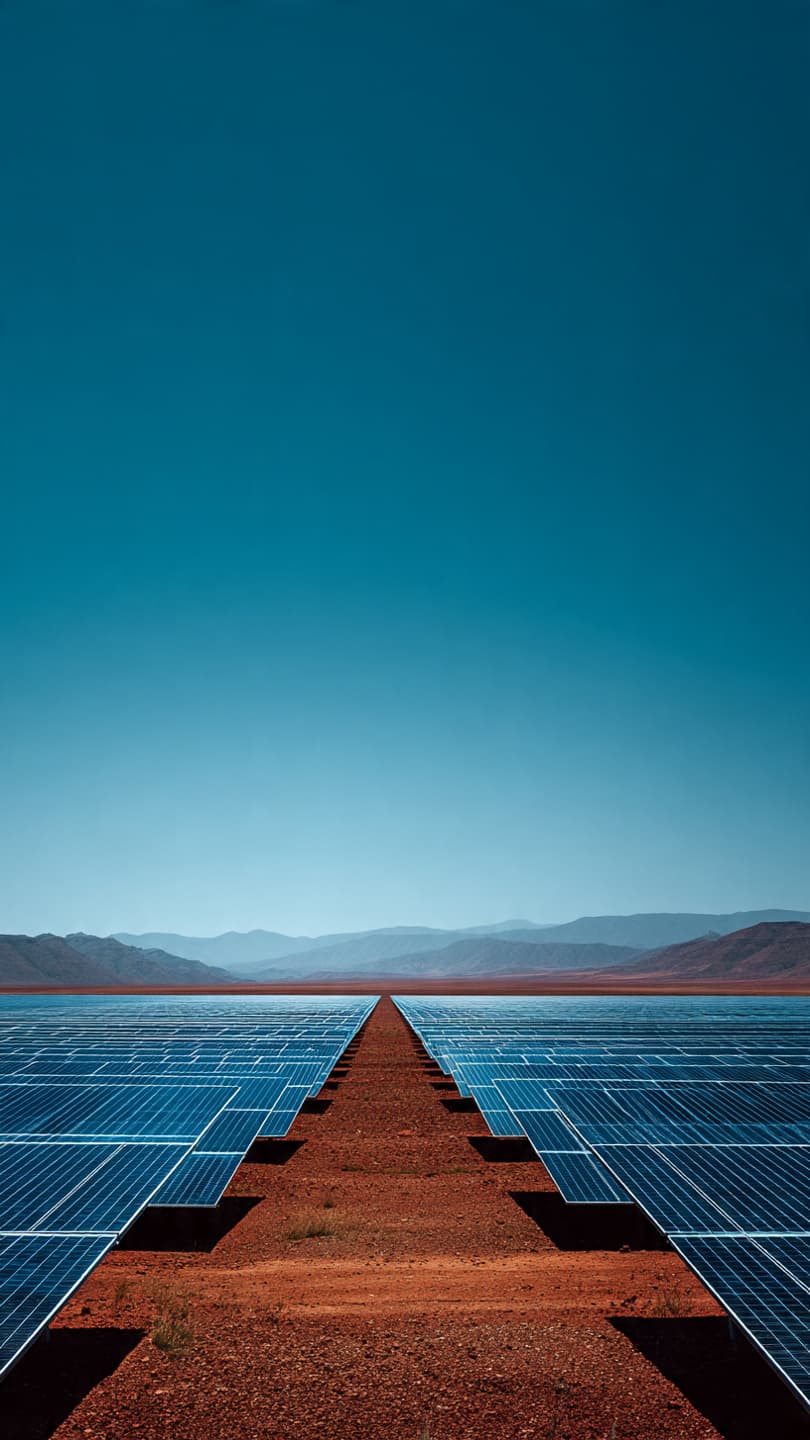
Located on the high, wind-swept plateau of Dekemhare, the solar farm is a striking visual of modernity against the backdrop of Eritrea's ancient landscape. The solar panels, arranged with mathematical precision, capture the sun's rays, transforming them into a reliable energy source. This transformation is not merely technical; it reflects a broader narrative of national independence, where reliance on imported fuels is gradually being replaced by harnessing local resources. The solar project is a testament to Eritrea's potential to turn its environmental challenges into opportunities for growth and development.
As the sun rises over the plateau, the solar panels begin their daily dance with light, absorbing energy that will later flow into homes and businesses. This process is a dialogue between nature and technology, where the ancient silence of the plateau meets the hum of innovation. The solar array stands as a sanctuary of energy, a place where the stillness of the panels belies the dynamic activity of energy production. This initiative not only stabilizes the national grid but also enhances the reliability of power supply, which is crucial for the country's industrial aspirations.
The Dekemhare project is more than just a power plant; it is a bridge connecting the arid lands of the south with the bustling workshops of the capital. By feeding clean energy into the national grid, it supports local economies and fosters regional stability. The solar industry is emerging as a vital component of Eritrea's economic strategy, providing a pathway to energy sovereignty that is essential for all forms of development. The success of this project is viewed as a marker of modernity and a source of pride for the people of the Debub region.
However, challenges remain. The local technicians refer to solar power as the 'silent fuel,' a clean energy source that requires diligent maintenance to ensure efficiency. The fine dust of the desert and seasonal storms pose risks to the cleanliness of the panels, which is crucial for optimal performance. As Eritrea continues to invest in solar technology, the focus will also need to be on energy storage solutions to maximize the benefits of this renewable resource during nighttime hours.
As the sun sets and the panels transition from vibrant blue to dark glass, the energy harvested throughout the day begins to illuminate homes across the plateau. The Dekemhare Solar Power Plant stands as a beacon of hope and resilience, embodying the spirit of a nation that is embracing its potential and paving the way for a sustainable future. With this project, Eritrea is not only addressing its energy needs but also making strides towards fulfilling its climate commitments and fostering a greener economy.
The inauguration of the Dekemhare Solar Power Plant marks a significant milestone in Eritrea's journey towards energy independence and sustainability. As the nation looks to the future, the lessons learned from this project will undoubtedly shape its approach to renewable energy and environmental stewardship.
Published by Banx Network. This article is part of the Banx decentralized media programme, powered by the BXE token on the XRP Ledger.



