In the early hours at the filling stations along the highway to Niš, there is a rhythmic, metallic clicking—the sound of a nation fueling its movement. For months, this sound has been accompanied by a silent, growing anxiety as the global price of oil, stirred by distant conflicts, pressed heavily against the Serbian pocketbook. However, the recent decision by the government to reduce excise duties on petroleum products marks a moment of deliberate intervention, a quiet softening of the economic shield intended to protect the daily rhythm of the citizen.
This reduction is not merely a technical adjustment of the tax code; it is a recognition of the fragility of the household ledger. In a world where the cost of energy dictates the cost of bread, a lower price at the pump is a vital form of insulation. For the transport companies moving goods across the Pannonian Plain and the families planning their weekend travels, the twenty-five percent reduction in gasoline excise offers a rare, if temporary, breath of relief.
There is a particular kind of pragmatism in this policy. It acknowledges that the state’s role is often to act as a buffer against the volatility of the international commons. By voluntarily relinquishing a portion of its revenue, the government is making a bet on the resilience of the local economy, choosing to prioritize the immediate liquidity of its people over the long-term accumulation of the treasury.
To consider the fuel price is to consider the interconnectedness of the Balkan life. The car is more than a convenience; it is a tool of survival and a bridge between the rural village and the urban center. When the cost of movement rises too high, the social fabric itself begins to stretch. This intervention is a way of maintaining the tension, ensuring that the connections that bind the nation together remain affordable and intact.
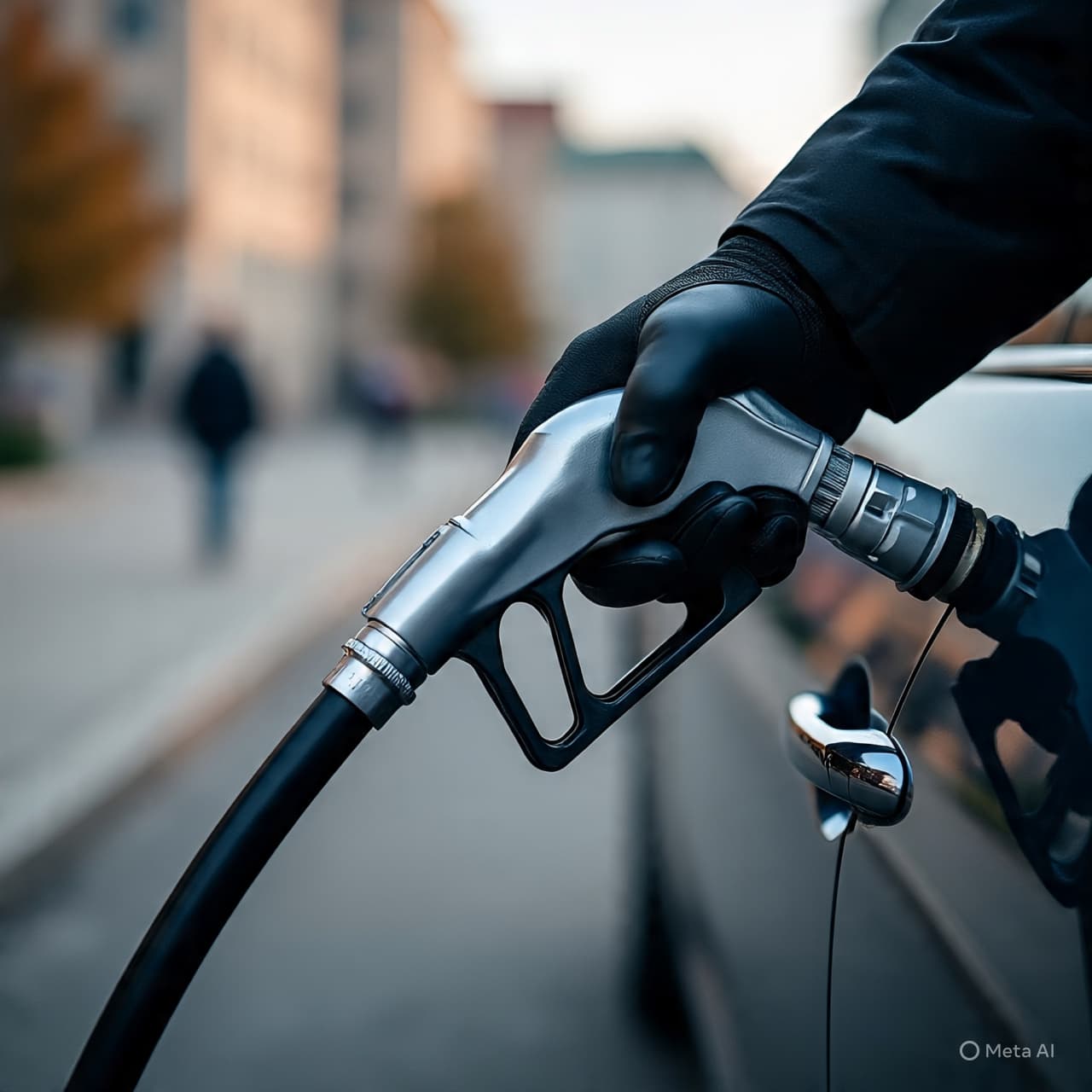
Within the ministries in Belgrade, the conversation is one of balance and timing. It is about how long the shield can be held and what the cost of that protection will ultimately be. But on the street, the impact is immediate and tactile. It is the slight easing of the hand as the nozzle is replaced, the sense that for a few weeks, the road ahead is just a little more open than it was before.
This period of relief offers a moment for reflection on the nature of energy sovereignty. It asks us to consider how we can build a more resilient system that is less dependent on the whims of distant markets. It is a call for a more imaginative approach to our national resources, ensuring that the movement of the people is never held hostage by the uncertainties of the world.
As the sun sets over the Danube, the lights of the stations remain bright, welcoming the travelers with a slightly more gentle price. The global storm continues to rage, but for now, the local hearth is protected by a quiet, calculated act of state. We are finding our way through the inflation, anchored by the understanding that sometimes, the most significant progress is simply the preservation of the everyday.
The Serbian government has officially implemented a temporary reduction in excise duties for gasoline and diesel, effective from mid-April 2026. Under the new decree, excise duties on gasoline have been cut by 25% to 54 dinars per liter, while diesel has been set at 55.53 dinars per liter. This strategic move aims to stabilize domestic fuel prices and mitigate inflationary pressures caused by ongoing geopolitical tensions in the Middle East, providing immediate relief to both commercial transport sectors and private consumers.
AI Disclaimer: Illustrations were created using AI tools and are not real photographs.
Published by Banx Network. This article is part of the Banx decentralized media programme, powered by the BXE token on the XRP Ledger.