Justice, when it arrives after years of waiting, carries a weight that is both relieving and solemn. In Sri Lanka, the Colombo High Court has delivered a verdict in the case of the 2019 Easter Sunday bombings, convicting fifteen men for their roles in the attacks that claimed over 260 lives. This decision marks a significant chapter in the nation’s journey toward accountability and healing. It is a moment that invites reflection on the long road from tragedy to legal resolution.
The bombings, which targeted three churches and three hotels on April 21, 2019, shocked the world and left deep scars on Sri Lankan society. The coordinated attacks were carried out by a local extremist group linked to international terrorist networks. For seven years, survivors and families of the victims have awaited justice, navigating a legal process that was often slow and complex. The conviction of fifteen accused individuals provides a measure of closure, though it cannot erase the pain of loss.
The court found the defendants guilty of various charges, including conspiracy and murder. Evidence presented during the trial included intelligence reports, witness testimonies, and forensic data. The prosecution argued that the perpetrators had planned the attacks meticulously, exploiting security lapses and societal divisions. The verdict acknowledges the gravity of their actions and the profound impact on the nation’s sense of security and unity.
Nine other accused individuals were acquitted due to insufficient evidence, highlighting the court’s adherence to legal standards. This distinction is important, as it demonstrates the judicial system’s commitment to fairness and due process. While some may feel that justice is incomplete without more convictions, the rule of law requires that guilt be proven beyond a reasonable doubt. The acquittals serve as a reminder of the complexities involved in such large-scale investigations.
For the survivors, the verdict is a step toward healing, but the journey continues. Many still struggle with physical injuries and psychological trauma. Support groups and community initiatives play a vital role in helping them rebuild their lives. The legal outcome, while significant, is only one part of the broader process of recovery. It is essential that society continues to offer compassion and assistance to those affected.
The case also sheds light on the failures of intelligence and security agencies prior to the attacks. Investigations revealed that warnings had been ignored, leading to calls for reform and greater accountability within these institutions. The verdict serves as a catalyst for these changes, encouraging a more robust and responsive security framework. It is a lesson in the importance of vigilance and cooperation in preventing such tragedies.
As Sri Lanka moves forward, the memory of the Easter Sunday bombings remains a poignant reminder of the fragility of peace. The convictions bring a sense of justice, but they also underscore the need for continued dialogue and reconciliation. Building a society that is resilient to extremism requires ongoing effort, education, and mutual respect among diverse communities.
The conviction of fifteen men in the Easter Sunday bombing case is a landmark decision for Sri Lanka. It affirms the principle that justice, though delayed, is attainable. As the nation reflects on this verdict, the focus shifts to healing, reform, and the enduring hope for a peaceful and united future.
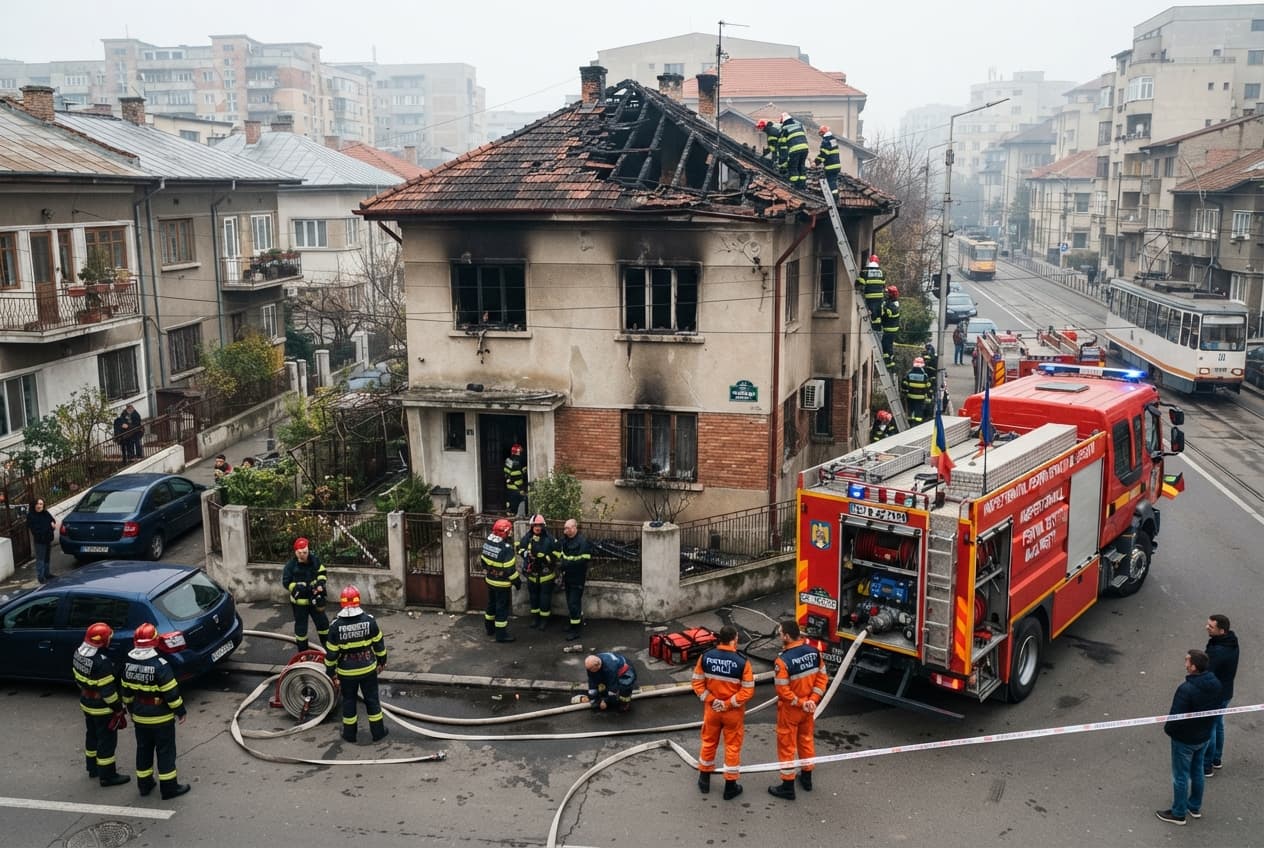
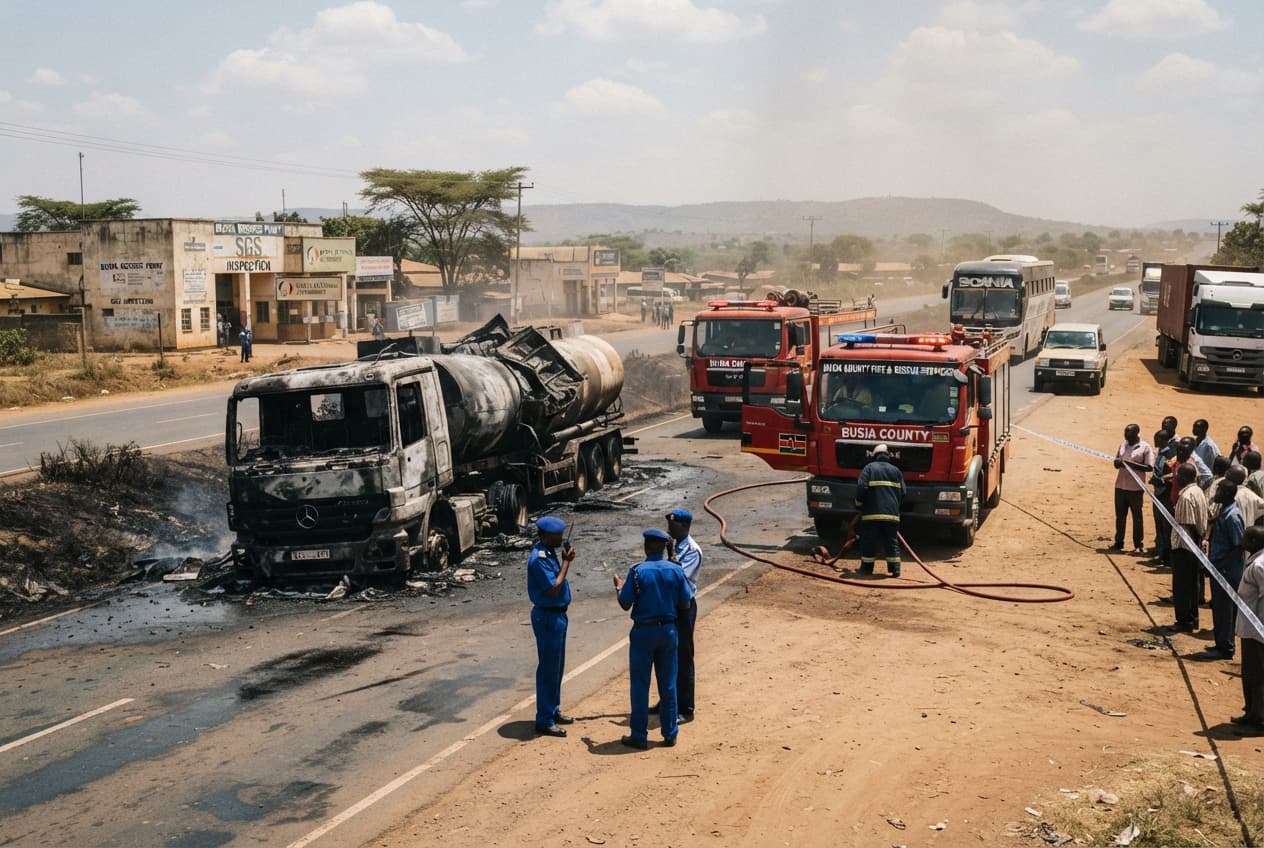
AI Image Disclaimer: The illustrations in this article are AI-generated artistic interpretations of justice and memorial themes, not actual photographs from the courtroom or the incident.
Sources: NPR RTE News Xinhua News Agency
Published by Banx Network. This article is part of the Banx decentralized media programme, powered by the BXE token on the XRP Ledger.