There is a certain kind of diplomacy that happens not in formal summit halls, but in the quieter moments between meetings—when a visiting president speaks to citizens of his country living abroad, when business leaders exchange ideas over coffee, when two governments recognize that geography has given them a shared future whether they choose to embrace it or not. Mozambican President Daniel Chapo's state visit to Botswana this week was filled with such moments, and when he spoke to the Mozambican diaspora in Gaborone, he framed the opportunity in terms both practical and philosophical.
Chapo described the visit as positive, pointing to stronger bilateral cooperation, new investment prospects, and plans to establish air links between the two countries. He called on the diaspora to strengthen its organization and participate in what Mozambique calls its "Inclusive National Dialogue," stressing that dialogue—not force, not manipulation—is the means by which differences should be addressed. "If I think differently from my brother there," he said, "I do not need to use force, violence, hatred, disinformation, manipulation or any other inappropriate means to impose my ideas, but I have to provide arguments".
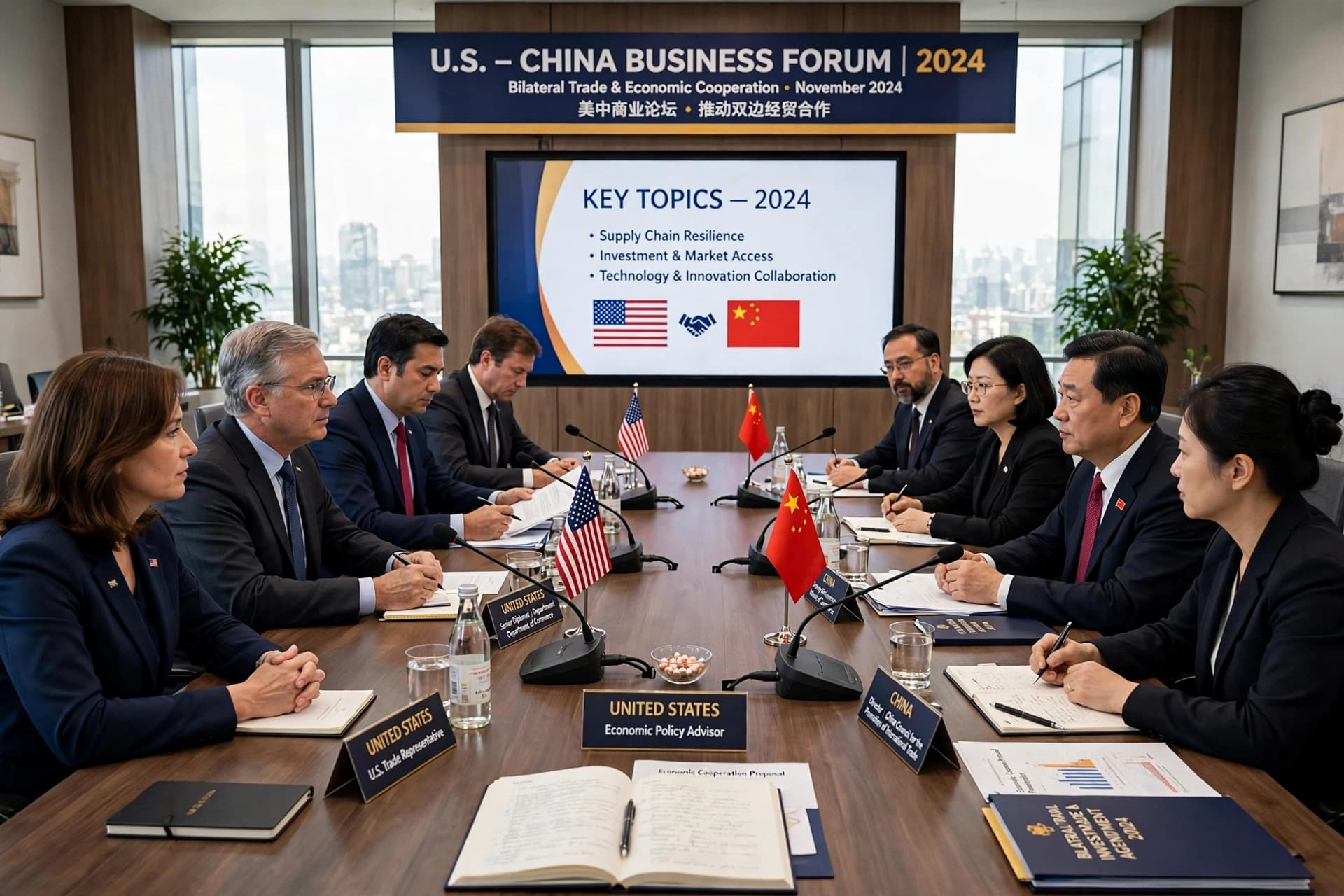
On the economic front, Chapo highlighted tourism as an area of immediate potential, announcing that the two countries are working to establish air links to Mozambican destinations including Vilankulo, Inhambane, and Maputo. The initiative, he said, would facilitate integrated tourism packages that take advantage of the geographic proximity between the two nations and the complementary nature of their attractions. Speaking at the Mozambique-Botswana Business Forum earlier in the visit, Chapo noted that the current level of trade between the two countries remains far below their potential, with Mozambican exports to Botswana accounting for only 0.1 percent of its total exports between 2021 and 2025.
The visit produced concrete outcomes. The two nations signed an agreement establishing a Bi-National Commission, elevating fifty-one years of diplomatic relations to a higher level of structured cooperation. Memoranda of understanding were signed in health, transfer of sentenced prisoners, correctional services, double taxation avoidance, tourism, science and technology, and arts and culture. President Boko highlighted areas where Botswana produces foot-and-mouth disease vaccines and could supply Mozambique, and noted ongoing cooperation in energy, transport, and logistics. He also acknowledged Botswana's deployment of forces under the SADC Mission in Mozambique, which contributed to peace in the Cabo Delgado region following extremist insurgencies.
Chapo also identified the gas sector as a potential source of revenue to finance economic diversification. He said gas projects under development or preparation could attract investments of between fifty and sixty billion US dollars over the next five to ten years, with revenues from taxes and royalties intended to boost agriculture, tourism, infrastructure, logistics, industrialization, trade, and digitalization. The President's visit included stops at the Okavango Diamond Company and the Botswana Meat Commission, a wreath-laying ceremony at the Parliament Grounds, and a tour of the Samora Machel Museum in Lobatse.
The historical context of the relationship was never far from the surface. Chapo spoke of Botswana's role in hosting Mozambique's founding president, Samora Machel, and the shared struggle for liberation that binds the two nations. "Our leaders faced challenges of liberating our people," he said during the museum visit. "All people of SADC must uphold solidarity and cooperation amongst our people". President Boko, for his part, emphasized that the partnership is rooted in a legacy that must be translated into economic benefit for both populations.
The visit concluded with agreements signed, air links planned, and a commission established to manage cooperation. Whether the economic relationship deepens as hoped will depend on follow-through—on the private sectors of both nations, on infrastructure projects that have long been proposed, and on the willingness of both governments to turn diplomatic warmth into tangible trade. For now, the direction has been set, and the rhetoric has been matched with structure. The work of building on it lies ahead.
---
AI Image Disclaimer: All images accompanying this report are AI-generated and are intended for editorial illustration only.
Sources: Agência de Informação de Moçambique, Botswana Daily News, allAfrica
Published by Banx Network. This article is part of the Banx decentralized media programme, powered by the BXE token on the XRP Ledger.

.jpg&w=3840&q=75 "Israel’s Top Court Allows Arab Parties to Run in Election")