In politics, some contests resemble quiet streams, while others become crossroads where broader national currents converge. Iowa's Democratic Senate primary has emerged as one of those crossroads, drawing attention far beyond state borders as party leaders and voters weigh which candidate may offer the strongest path toward expanding Democratic representation in the U.S. Senate.
The race has attracted national interest because it centers on an open Senate seat previously held by retiring Republican Senator Joni Ernst. Democrats view the contest as one of several opportunities that could influence the balance of power in Washington during the next congressional term.
Voters have been choosing between state lawmakers Josh Turek and Zach Wahls, each presenting a different vision for how Democrats can compete in a state that has leaned Republican in recent federal elections. Both candidates have emphasized economic concerns, healthcare issues, and the importance of appealing to a broad coalition of voters.
The primary has also become notable for the level of outside spending and national attention it has received. Political organizations, donors, and advocacy groups have invested significant resources into a race viewed as potentially important to the party's national strategy.
Democratic strategists recognize that reclaiming a Senate majority requires success across multiple competitive states. In that context, Iowa represents more than a single election; it is part of a larger electoral map that will help determine which party controls the chamber.
Republicans, meanwhile, consider the seat equally important. The GOP has mobilized support behind its own candidates and views Iowa as a critical component of maintaining Senate control. National Republican figures have also engaged in the state's political contests.
The debate over "electability" has become a recurring theme throughout the campaign. Supporters of both Democratic candidates argue that their preferred nominee is best positioned to compete statewide in a challenging political environment.
Political observers note that Iowa's outcome may offer clues about broader trends within the Democratic Party, including the messages and strategies that resonate most effectively with voters in competitive states.
As ballots are counted and the primary concludes, attention will quickly shift toward the general election. The eventual Democratic nominee will face the task of competing in one of the nation's closely watched Senate races, a contest that could contribute to shaping the future balance of power in Congress.
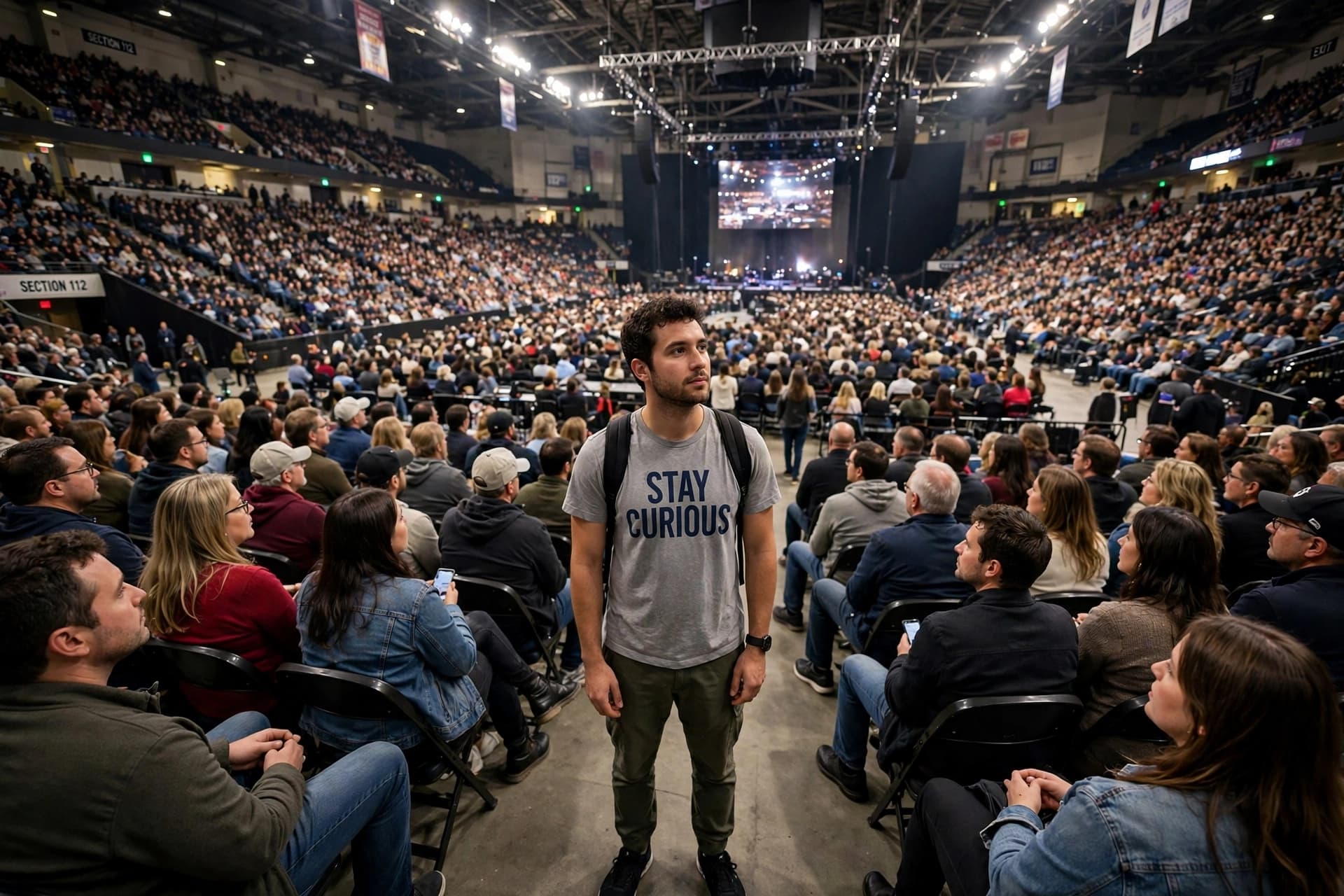
AI Image Disclaimer: The illustrations accompanying this article are AI-generated visual interpretations based on publicly reported political events.
Sources Verified:
Associated Press ABC News Iowa Public Radio The Washington Post
Published by Banx Network. This article is part of the Banx decentralized media programme, powered by the BXE token on the XRP Ledger.