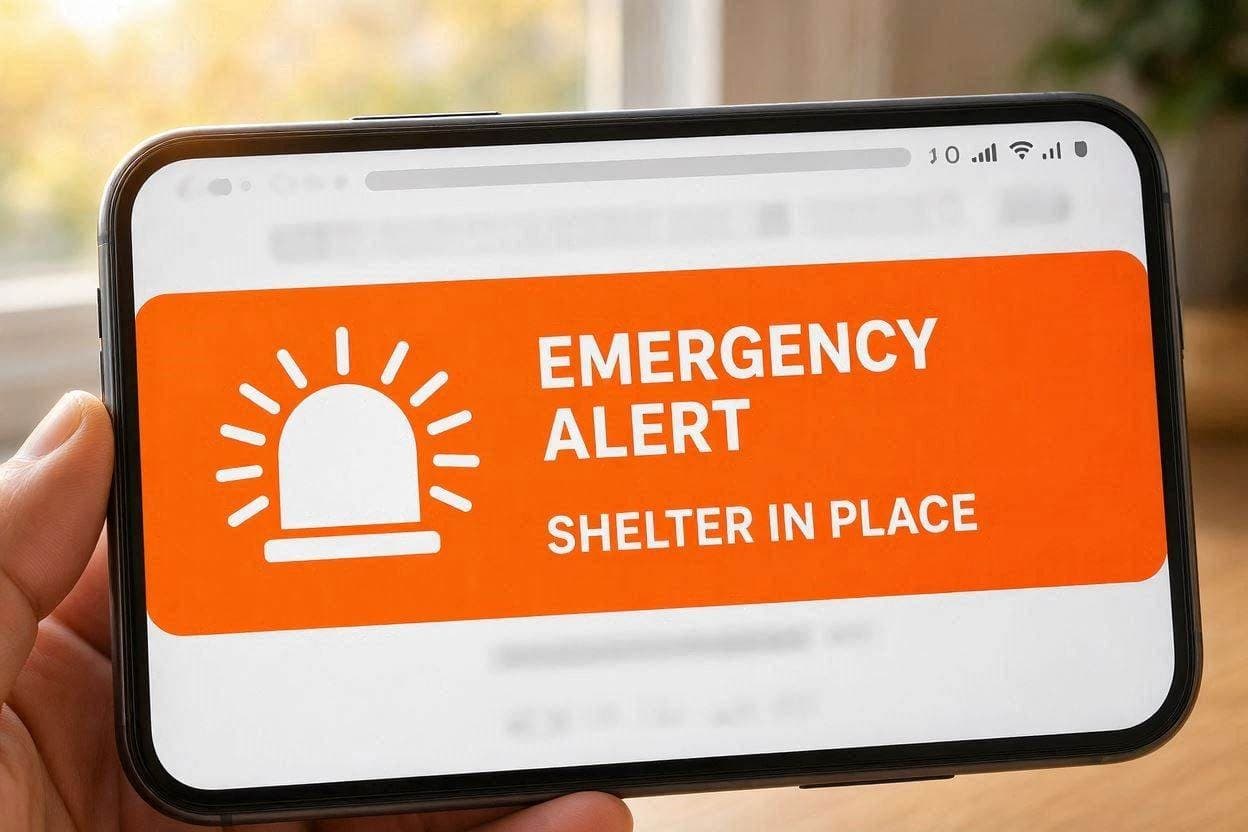
In an age where our mobile devices are constant companions, they serve as more than just tools for communication; they are lifelines. On Monday, July 27, 2026, Australians will experience a new dimension of this connection as the nation tests AusAlert, a next-generation emergency warning system. At 2:00 PM AEST, a distinct siren and message will sound across compatible smartphones, overriding silent modes and do-not-disturb settings. This nationwide drill is not merely a technical check but a collective rehearsal for safety, inviting citizens to pause and reflect on their preparedness for the unexpected.
Body: AusAlert represents a significant upgrade from the existing emergency alert systems. Utilizing advanced cellular broadcast technology, it delivers critical warnings directly to mobile devices without relying on phone numbers or personal data. This method ensures that anyone within the affected area receives the alert instantly, regardless of whether they are a local resident or a visitor. The system is designed to be fast, reliable, and inclusive, reaching people who might otherwise miss traditional media broadcasts.
The test will involve a specific tone—a ten-second siren accompanied by a text message stating that this is a test of the new national warning system. For many, the sound may be startling, especially as it bypasses standard volume controls. Authorities have emphasized that this intrusion is intentional, designed to mimic the urgency of a real emergency such as a bushfire, flood, or severe storm. The goal is to ensure that the alert captures attention immediately, potentially saving lives in critical moments.
Preparation for this test has been extensive. Regional trials conducted in recent months allowed engineers to refine the technology and address any connectivity issues. These smaller-scale exercises provided valuable data, helping to build a robust infrastructure capable of handling a national rollout. The feedback from these trials has been instrumental in shaping the final system, ensuring it meets the high standards required for public safety.
Public awareness campaigns have been rolling out across the country, encouraging Australians to charge their devices and ensure they are switched on during the test window. While the alert is automatic for most modern smartphones, users are advised to check their settings to ensure they have not disabled critical alerts. This proactive engagement helps to maximize the effectiveness of the test and familiarizes the public with the system’s behavior.
The introduction of AusAlert also highlights the evolving role of technology in disaster management. As climate change increases the frequency and intensity of natural hazards, having a reliable warning mechanism is crucial. This system complements other emergency services, providing a direct line of communication from authorities to the community. It empowers individuals to take timely action, reducing risk and enhancing resilience.
For those who may feel anxious about the sudden noise, reassurance is key. The government has clarified that no action is required from the public other than acknowledging the message. It is a moment to breathe, recognize the sound, and understand its purpose. By demystifying the process, authorities hope to turn potential fear into confidence.
Closing: As Monday approaches, the AusAlert test stands as a testament to Australia’s commitment to public safety. It is a reminder that in times of crisis, information is power. By participating in this national drill, Australians contribute to a safer, more prepared community, ready to face whatever challenges the future may hold.
AI Image Disclaimer: The images accompanying this article are AI-generated conceptual illustrations of mobile devices receiving emergency alerts, designed to visualize the technology without depicting specific real-world interfaces.
Sources: National Emergency Management Agency (NEMA) ABC News Services Australia The Guardian Australia
Published by Banx Network. This article is part of the Banx decentralized media programme, powered by the BXE token on the XRP Ledger.


.jpg&w=3840&q=75 "The Artemis Revolution: How NASA Plans to Build Humanity's Future on the Moon")