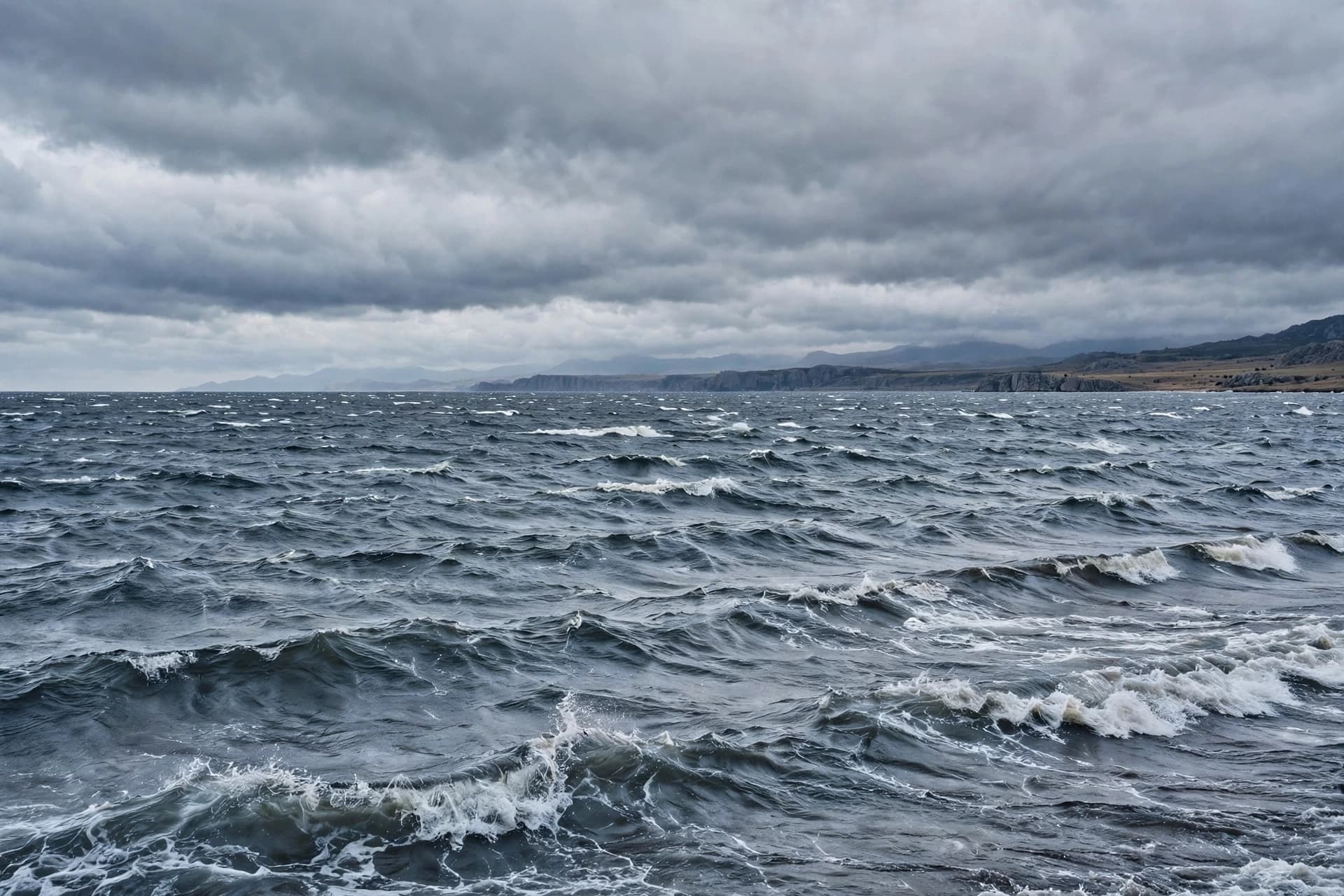
The Caspian Sea, vast and often unpredictable, witnessed a tragic turn of events during a routine naval exercise. In the Mangystau region of Kazakhstan, rough waves and strong winds turned a training drill into a disaster, claiming the lives of fourteen servicemen. This incident underscores the inherent risks of military operations in challenging environments and the profound loss felt by families and the nation.
The incident occurred on September 24, when seventeen members of the Kazakhstan Armed Forces were swept into the sea during a maritime drill. Despite immediate rescue efforts, only three individuals were saved, while fourteen were confirmed dead. The sudden change in weather conditions, including high waves and strong currents, played a critical role in the accident, overwhelming the participants.
Naval training exercises are designed to prepare soldiers for various scenarios, but they always carry an element of danger. The Caspian Sea, known for its volatile weather patterns, can quickly become hazardous even for experienced personnel. This tragedy highlights the importance of rigorous safety protocols and real-time weather monitoring in such operations.
The Kazakh Ministry of Defense launched an investigation to determine the exact circumstances leading to the accident. Officials are examining whether proper precautions were taken and if equipment failures contributed to the outcome. Transparency in this process is crucial for maintaining public trust and ensuring that lessons are learned to prevent future occurrences.
For the families of the fallen soldiers, the news brought immense grief. These young men, dedicated to serving their country, left behind parents, siblings, and friends who must now navigate the pain of sudden loss. Community support has poured in, offering condolences and assistance to those affected by the tragedy.
The incident also raises questions about the readiness and resource allocation for naval forces in landlocked or semi-enclosed seas. While Kazakhstan has invested in modernizing its military capabilities, this event serves as a reminder that nature remains a powerful force that demands respect and caution. It prompts a reevaluation of training methods and risk management strategies.
International neighbors and partners have expressed sympathy, recognizing the shared challenges of maritime safety in the region. Collaborative efforts in search and rescue, as well as weather forecasting, could enhance safety for all nations bordering the Caspian Sea. Such cooperation fosters a sense of shared responsibility and mutual support.
As Kazakhstan mourns the loss of its servicemen, the focus shifts to honoring their sacrifice and improving safety standards. The tragedy serves as a somber lesson in the perils of naval training, urging a balance between preparedness and caution. In the wake of this loss, the nation stands together in solidarity and remembrance.
AI Image Disclaimer: Visuals in this article are AI-generated artistic depictions of the Caspian Sea and naval themes, not actual images from the training exercise or rescue operations.
Sources: Euronews Al Jazeera Anadolu Agency Eurasianet Kazinform
Published by Banx Network. This article is part of the Banx decentralized media programme, powered by the BXE token on the XRP Ledger.