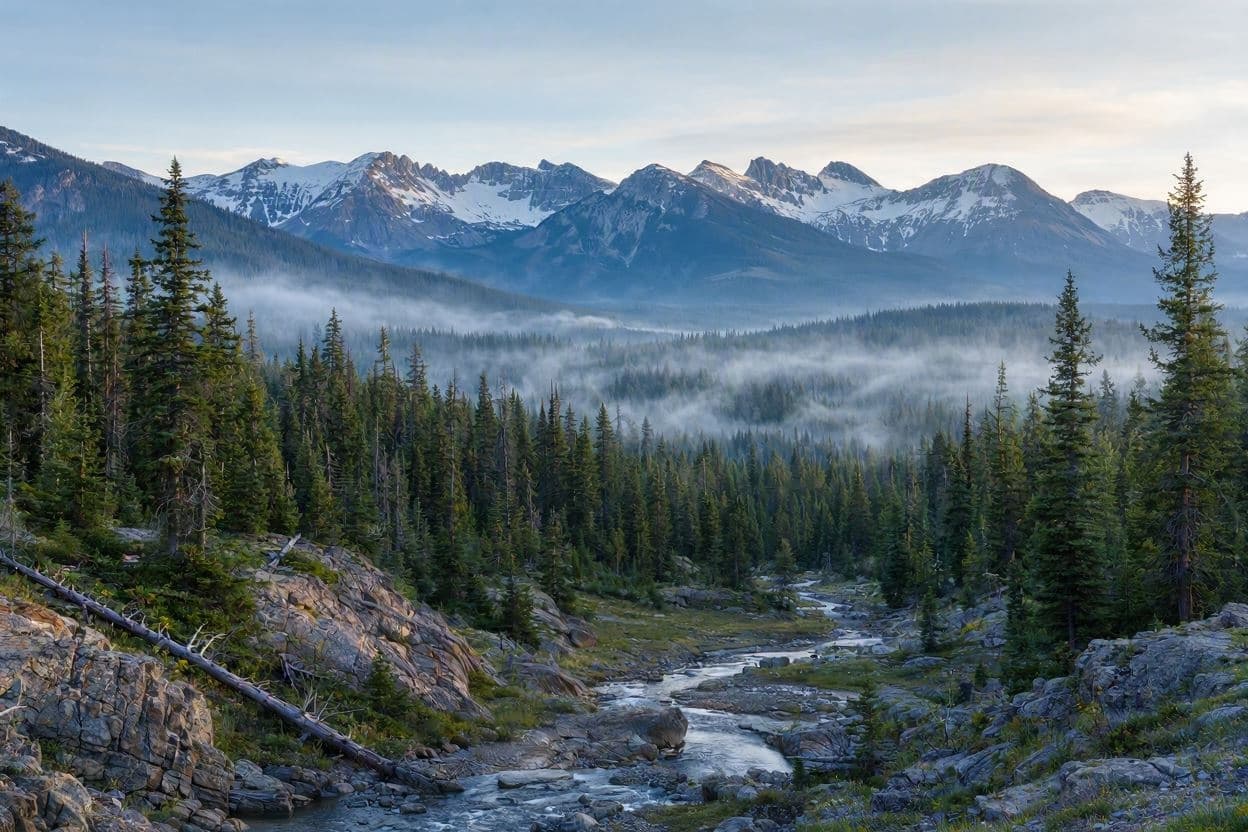
The mountains of Alberta stand as silent sentinels, their peaks often shrouded in mist and mystery. For adventurers and pilots alike, Kananaskis Country offers a landscape of breathtaking beauty, where rugged terrain meets pristine wilderness. Yet, this majesty carries an inherent unpredictability, a reminder that nature commands respect and caution. The recent tragedy, in which two lives were lost following a plane crash in this remote region, casts a somber shadow over the community. It is a moment that invites us to reflect on the fragility of human endeavor against the backdrop of enduring stone and sky, and to honor those who ventured into the wild.
The incident occurred in an area known for its challenging topography and rapidly changing weather conditions. While details of the flight path and cause remain under investigation by authorities, the loss of life underscores the risks associated with aviation in mountainous environments. Pilots who navigate these skies must possess not only technical skill but also a deep intuition for the elements. The suddenness of such events serves as a poignant reminder of how quickly circumstances can shift, turning a routine flight into a crisis.
Emergency response teams mobilized quickly, navigating difficult terrain to reach the site. Their efforts highlight the dedication of first responders who operate in some of Canada’s most unforgiving landscapes. Despite their swift action, the outcome was tragic. The recovery process is delicate and respectful, aimed at providing closure for the families involved. The community has rallied around them, offering support and shared grief in the face of such profound loss.
Kananaskis Country is a popular destination for hiking, skiing, and flying, drawing visitors from around the world. The presence of small aircraft is common, serving both recreational and logistical purposes. However, the combination of high elevations, narrow valleys, and potential turbulence requires constant vigilance. This accident prompts a renewed conversation about safety protocols and the importance of thorough pre-flight planning in such environments. It is not a call to fear the mountains, but to approach them with informed humility.
The identities of the victims have been released with sensitivity, allowing friends and family to begin the mourning process. They were individuals who likely shared a love for the outdoors and the freedom of flight. Their deaths leave a void in their personal circles and in the broader aviation community. Tributes have begun to emerge, celebrating their spirits and their passion for exploration. These stories remind us that behind every statistic is a unique human life, full of promise and connection.
Local aviation groups and park officials are reviewing the incident to understand any contributing factors. Weather data, mechanical records, and pilot communications will be scrutinized to piece together the final moments. This investigative process is crucial for learning and prevention, ensuring that future flights may benefit from the lessons of this tragedy. It is a systematic effort to transform grief into knowledge, a way to honor the deceased by improving safety for others.
The psychological impact on the local community is significant. In small towns and close-knit regions, such losses are felt deeply and personally. Neighbors and colleagues share in the sorrow, creating a network of support that helps buffer the shock. Community gatherings and memorials provide spaces for collective healing, allowing people to process their emotions together. This solidarity is a testament to the resilience of the human spirit in the face of adversity.
As the investigation continues, the focus remains on compassion and clarity. Rumors and speculation can add to the pain of those affected, so accurate information is prioritized. Authorities urge patience as they work to determine the cause, emphasizing that safety is their primary concern. The hope is that a thorough understanding of the event will lead to better practices and renewed confidence in mountain aviation.
The crash in Kananaskis Country is a tragic reminder of the risks inherent in mountain aviation. It calls for continued vigilance, respect for nature, and support for the bereaved. Let us honor the two lives lost with mindfulness and care.
AI Image Disclaimer: Please be aware that images used in this context are AI-generated visualizations for illustrative purposes.
Sources: CBC News Global News Calgary Herald
Published by Banx Network. This article is part of the Banx decentralized media programme, powered by the BXE token on the XRP Ledger.