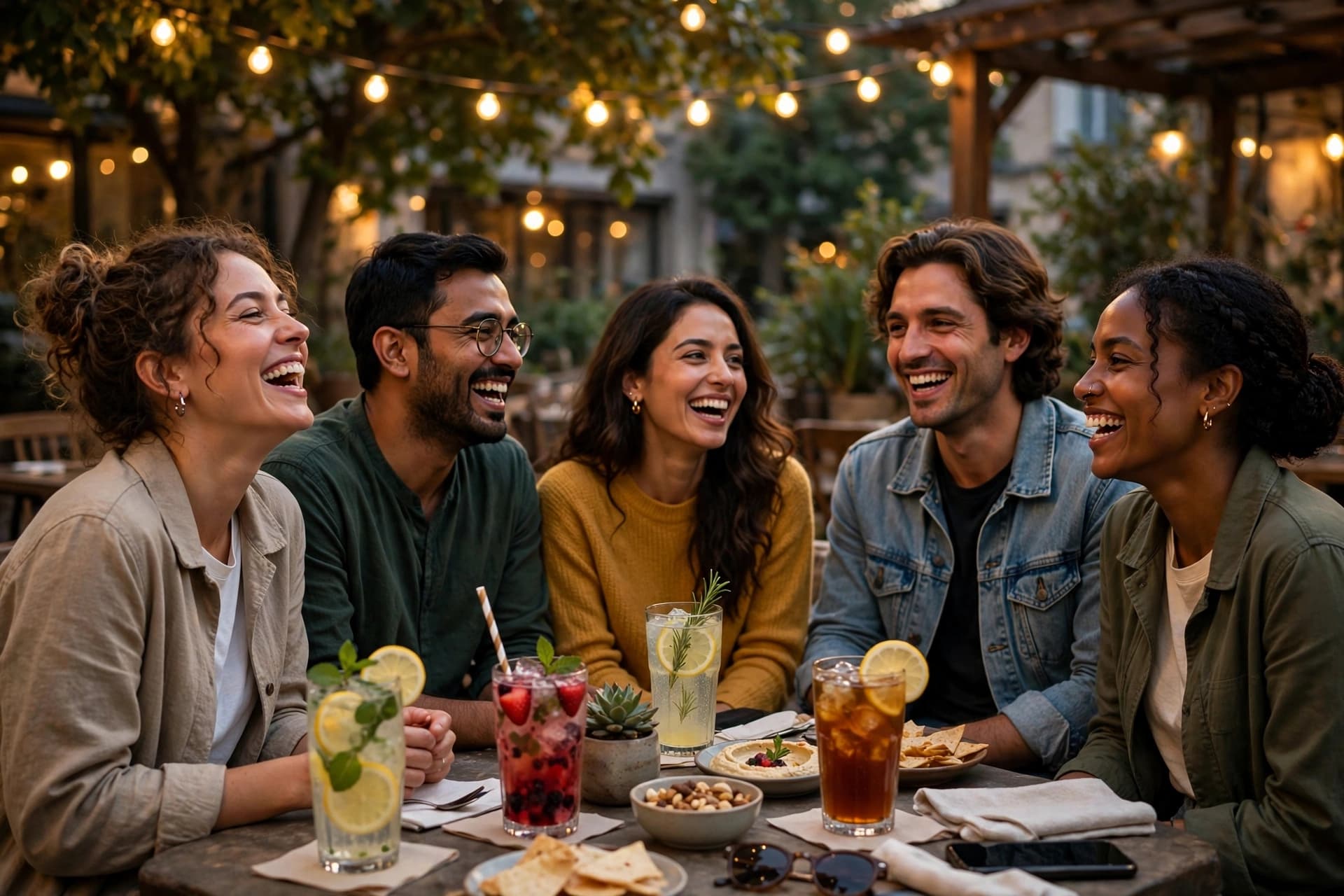
In the quiet moments of reflection that follow a period of intense change, societies often reassess their habits and values. The pandemic, a time of isolation and uncertainty, saw a notable spike in alcohol consumption as many sought comfort in familiar rituals. Now, as the world emerges into a new normal, data suggests that this trend is reversing, with overall drinking rates declining to historic lows. Yet, this shift is not uniform across all demographics, inviting a nuanced conversation about how different generations are navigating health, stress, and social connection in the post-pandemic era.
Recent polls indicate that only 54% of U.S. adults now report consuming alcohol, the lowest figure in nearly nine decades of tracking. This decline reflects a growing awareness of health impacts and a cultural shift toward wellness. However, beneath this aggregate number lies a complex landscape where some age groups continue to drink at higher rates, while others, particularly younger adults, are leading the charge toward sobriety. It is a tale of two trajectories, shaped by diverse experiences and priorities.
The drop in alcohol consumption is most pronounced among younger generations, with Gen Z and Millennials increasingly choosing non-alcoholic alternatives. This trend is driven by a variety of factors, including greater access to information about health risks, the rise of the "sober curious" movement, and a desire for more authentic social interactions. For many young people, alcohol is no longer seen as a necessary component of socializing, but rather as an optional choice that can be easily forgone.
In contrast, older age groups have shown more resilience in their drinking habits, with some even maintaining or slightly increasing their consumption. This disparity may be linked to different coping mechanisms and social structures. For older adults, drinking may be deeply embedded in long-standing routines and social circles, making it harder to change. Additionally, the stress of aging and health concerns may lead some to rely on alcohol for relief, despite growing awareness of its risks.
The health implications of these trends are significant. Reduced alcohol intake is associated with lower risks of liver disease, cancer, and cardiovascular issues. As more people choose to drink less or not at all, public health outcomes are likely to improve. However, the persistence of heavy drinking in certain demographics highlights the need for targeted interventions and support services. Addressing the root causes of alcohol use, such as stress and mental health challenges, is essential for sustainable change.
Cultural shifts are also playing a role in this transformation. The stigma around sobriety is diminishing, making it easier for individuals to make healthy choices without fear of judgment. Social media and popular culture are increasingly celebrating non-alcoholic lifestyles, providing role models and community support. This positive reinforcement helps to normalize sobriety and encourages others to explore alternative ways of connecting and relaxing.
Economic factors may also influence drinking patterns. The cost of living and economic uncertainty can lead people to cut back on discretionary spending, including alcohol. Additionally, the rise of high-quality non-alcoholic beverages offers appealing alternatives that do not compromise on taste or experience. This market growth supports the trend toward moderation, providing consumers with more choices and flexibility.
As society continues to evolve, the conversation around alcohol is becoming more open and inclusive. People are sharing their stories, challenging norms, and redefining what it means to live a balanced life. This dialogue fosters a sense of community and mutual support, helping individuals make informed decisions about their health. It is a hopeful sign that collective well-being is becoming a priority for many.
The decline in alcohol consumption after the pandemic spike is a positive development for public health, though it varies by age group. As we move forward, let us support each other in making healthy choices and fostering a culture of wellness. In the end, it is through compassion and understanding that we build a healthier and more resilient society.
AI Image Disclaimer: The images accompanying this article are AI-generated illustrations designed to reflect the theme of lifestyle changes without depicting real individuals.
Sources: Gallup New York Times Keck Medicine of USC Statista
Published by Banx Network. This article is part of the Banx decentralized media programme, powered by the BXE token on the XRP Ledger.