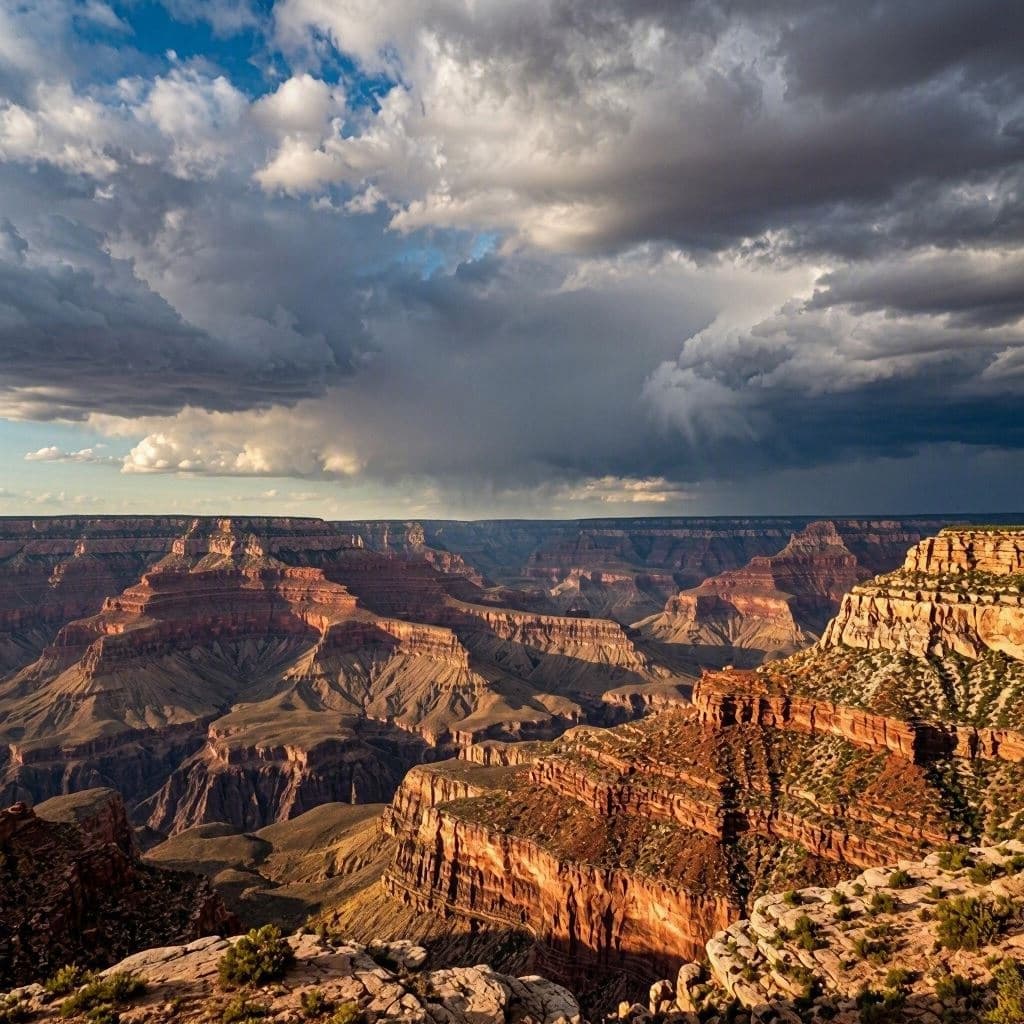
The Grand Canyon stands as a monument to geological time, its layered rocks telling stories of millennia. Visitors come to marvel at its grandeur, often underestimating the raw power of the natural forces that shaped it. Tragically, recent flash flooding has claimed lives within this majestic landscape, prompting a somber inquiry into the timing and effectiveness of weather warnings. This event serves as a poignant reminder of nature’s unpredictability and the critical importance of communication in preserving human safety.
Flash floods in desert environments can occur with little warning, triggered by distant rainstorms that funnel water into narrow canyons. The speed at which water levels rise can be devastating, catching hikers and rafters off guard. In this instance, the loss of life has led to difficult questions about whether existing warning systems provided enough lead time for individuals to seek higher ground.
Meteorological agencies rely on complex models to predict weather patterns, but local topography can create microclimates that are difficult to forecast with precision. The challenge lies in translating broad weather alerts into specific, actionable warnings for people in remote areas. When seconds count, the clarity and immediacy of information can mean the difference between life and death.
Park officials and emergency responders are reviewing the timeline of events to understand how warnings were disseminated. Did signs reach visitors in time? Were digital alerts effective in areas with limited connectivity? These questions are not meant to assign blame but to identify gaps in the safety net. Each tragedy offers lessons that can improve future protocols.
The emotional toll on families and the rescue teams involved is profound. Grief is compounded by the sense that perhaps more could have been done. Community discussions often focus on prevention, exploring ways to enhance education for visitors about the risks of canyon hiking. Awareness is a key component of safety, empowering individuals to make informed decisions.
Technology plays an increasingly vital role in disaster response. Mobile apps, satellite messaging, and real-time sensor networks offer new possibilities for early warning. However, reliance on technology must be balanced with traditional methods, such as ranger patrols and physical signage. A multi-layered approach ensures redundancy when one system fails.
Climate change may be exacerbating the intensity of storm events, making historical data less reliable for predicting future risks. As weather patterns become more volatile, adaptation strategies must evolve. This includes updating infrastructure, improving forecasting models, and enhancing public outreach. Resilience requires constant vigilance and innovation.
Visitors to the Grand Canyon are encouraged to stay informed about weather conditions before and during their trips. Checking forecasts, heeding ranger advice, and having an evacuation plan are simple steps that can save lives. The beauty of the canyon should never overshadow the respect it demands.
As the investigation continues, the focus remains on honoring the victims by learning from their loss. Improving warning systems is a collective responsibility, involving government agencies, technology providers, and the public. It is a commitment to ensuring that future visits are marked by wonder, not tragedy.
The tragic deaths from flash flooding in the Grand Canyon have sparked a necessary review of warning systems and emergency protocols. By examining whether alerts could have been issued sooner, authorities aim to enhance safety measures for future visitors. It is a step toward better harmonizing human activity with the powerful forces of nature.
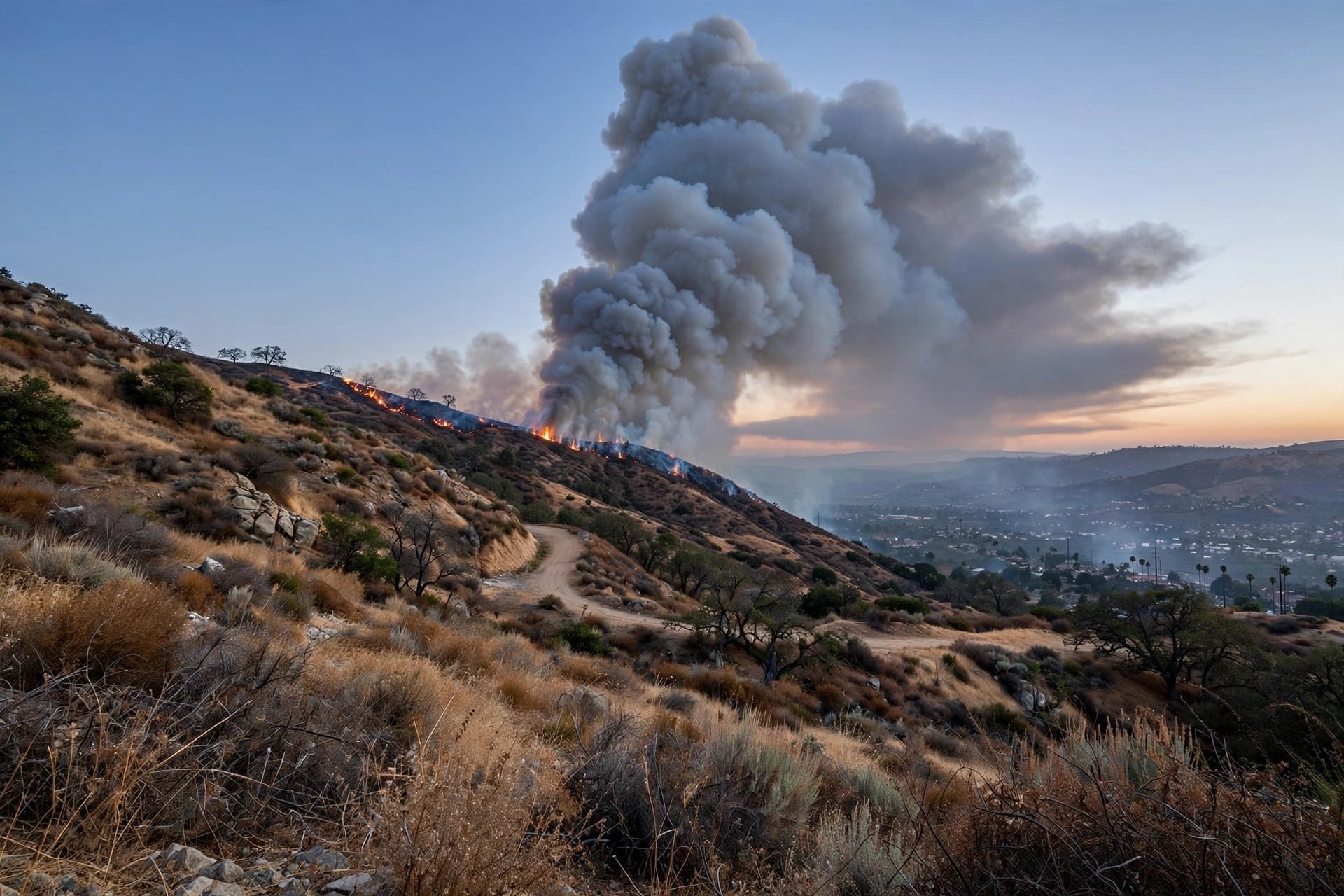
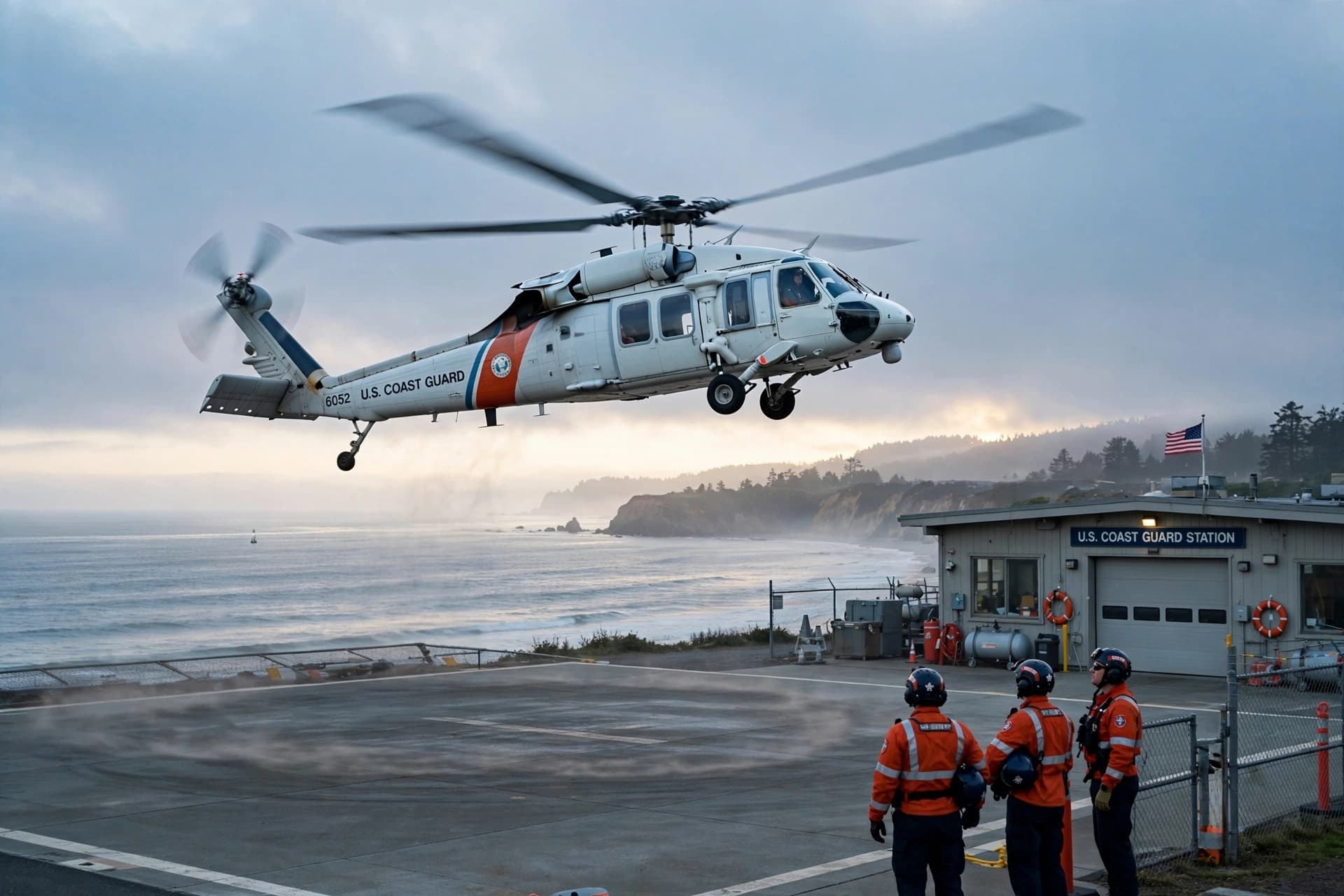
AI Image Disclaimer: The images associated with this article are AI-generated visualizations intended to evoke the majesty of the Grand Canyon and the seriousness of natural hazards, using respectful and scenic imagery.
Sources: National Park Service Local Arizona News Outlets National Weather Service
Published by Banx Network. This article is part of the Banx decentralized media programme, powered by the BXE token on the XRP Ledger.