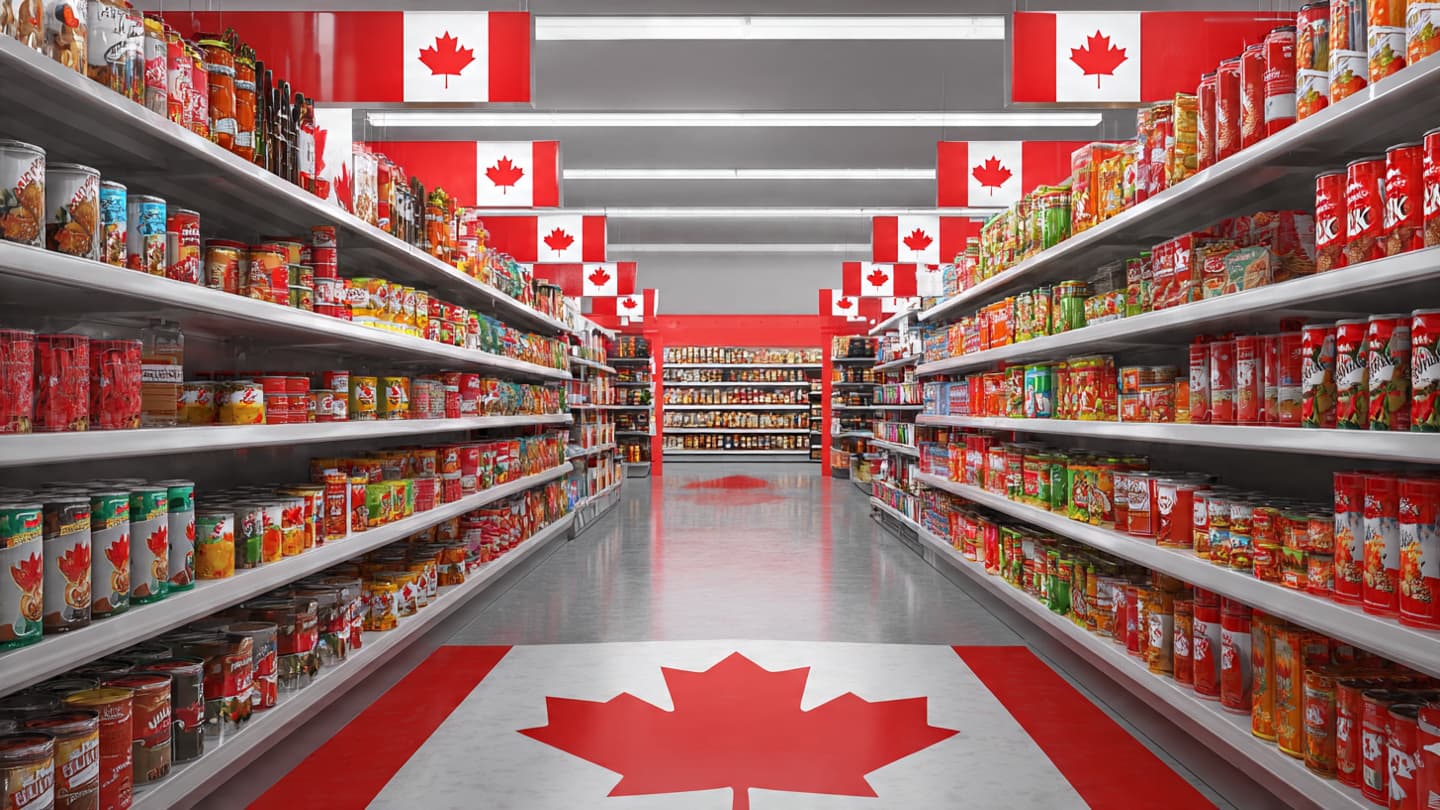
National symbols often carry meanings larger than the objects they appear beside. A small maple leaf on a grocery shelf may suggest familiarity, local identity, or trust built quietly over generations. In recent weeks, however, two of Canada’s largest grocery chains, Sobeys and Loblaw, have found themselves at the center of growing criticism over accusations of “maple washing,” a term used to describe branding practices that may give products a stronger Canadian impression than their origins justify.
The controversy intensified after Sobeys reportedly removed maple leaf symbols from certain store displays and product labeling strategies. The decision came amid public scrutiny surrounding how retailers identify Canadian-made goods, particularly at a time when consumers are paying closer attention to domestic sourcing and food supply transparency.
Critics argue that symbols associated with national identity can influence purchasing decisions in subtle but powerful ways. For shoppers hoping to support local farmers and manufacturers, visual cues such as flags or maple leaf imagery may create assumptions about where products originate or how closely they are tied to Canadian production.
Retailers, meanwhile, face the challenge of operating within complex supply chains that stretch across borders. Grocery inventories often include products processed in Canada using imported ingredients, or items packaged domestically despite international sourcing. Distinguishing between “made in,” “prepared in,” and “product of” Canada has therefore become increasingly complicated for both businesses and consumers.
Consumer advocates say clearer labeling standards would help reduce confusion. They argue that shoppers should not need to interpret marketing symbolism to understand where food products come from. Transparency, they suggest, builds stronger trust than patriotic branding alone.
Sobeys has indicated that adjustments to store symbols were intended to improve clarity rather than diminish Canadian identity. Loblaw has also responded to criticism by emphasizing compliance with labeling regulations and its support for domestic producers. Still, the debate continues unfolding publicly, particularly across social media and consumer forums.
The issue arrives during a broader period of economic sensitivity. Food prices remain a major concern for many households, and consumers increasingly view shopping decisions through ethical and economic lenses. Questions about origin labeling now intersect with discussions about affordability, local agriculture, and national economic resilience.
For Canadian farmers and producers, the conversation carries emotional importance as well as commercial significance. Domestic agriculture often relies heavily on consumer confidence, especially when competing against lower-cost international imports. National symbols therefore become more than decorative branding; they become part of economic storytelling.
Regulators and retailers are expected to face continued pressure to clarify standards surrounding Canadian labeling practices. As the discussion evolves, many consumers appear less interested in symbolic marketing itself and more focused on receiving straightforward information about the products entering their homes.
AI Image Disclaimer: Certain images accompanying this report were created with AI-generated visual tools for editorial illustration.
Sources: CBC News, Toronto Star, The Globe and Mail, Reuters, Financial Post
Published by Banx Network. This article is part of the Banx decentralized media programme, powered by the BXE token on the XRP Ledger.