The solar system is rarely as still as it appears from the ground. Beyond the familiar rhythm of sunrise and sunset, countless objects move continuously through space, tracing paths shaped by gravity and time. This week, NASA confirmed that a bus-size asteroid passed closer to Earth than the Moon, briefly drawing attention to the quiet traffic of near-Earth space.
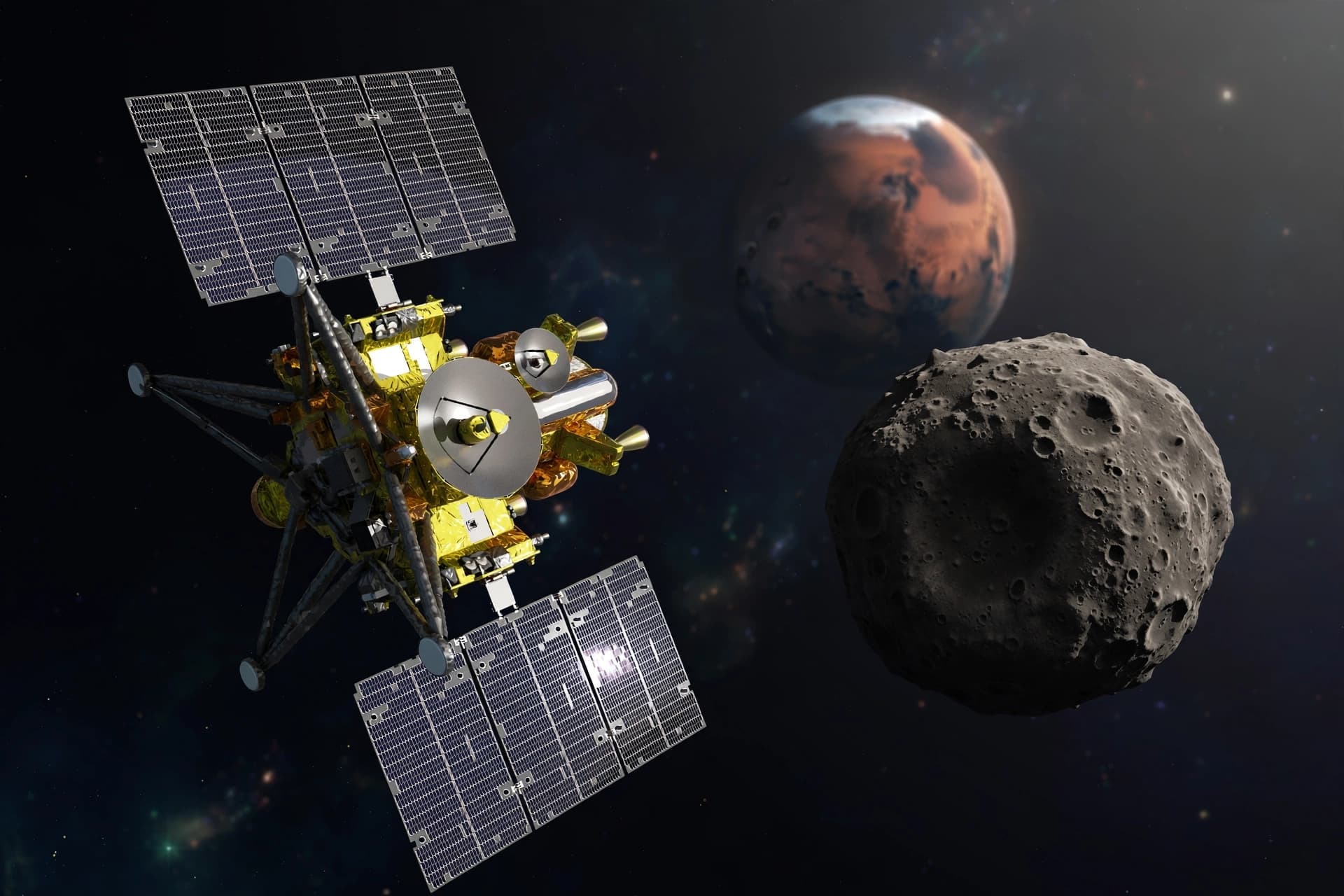
According to NASA’s planetary defense tracking systems, the asteroid approached Earth at a relatively close but safe distance. Though small by astronomical standards, the object was large enough to be carefully monitored as it traveled past the planet. Scientists emphasized that the asteroid posed no danger to Earth during its flyby.
Near-Earth asteroids are routinely tracked by astronomers around the world. Many pass through space unnoticed by the public, while observatories continuously calculate their trajectories and distances. Improved detection systems have made it possible to identify smaller objects earlier and with greater accuracy than in previous decades.
NASA and partner organizations maintain ongoing monitoring programs focused on planetary defense. These initiatives aim to identify potentially hazardous objects long before they pose any realistic threat. Researchers say early detection remains the most effective strategy for responding to future asteroid risks.
Although the recent asteroid was only about the size of a bus, its close approach offered scientists another opportunity to study small near-Earth objects. Such observations help researchers refine orbital models, improve tracking systems, and better understand how asteroids move through the solar system.
Public attention often increases whenever an asteroid passes close to Earth, even when the event is scientifically routine. Astronomers note that these flybys are part of the natural dynamics of the solar system. Most small asteroids either burn harmlessly in Earth’s atmosphere or continue traveling through space without incident.
The growing sophistication of modern telescopes has significantly expanded humanity’s ability to observe these objects. Automated surveys scan large sections of the sky nightly, identifying moving points of light that may represent asteroids or comets. International cooperation also plays a major role in maintaining updated planetary defense databases.
NASA officials reiterated that the recent flyby was safely monitored and presented no threat to Earth. Still, the event served as another reminder that the solar system remains an active and constantly moving environment, where even small celestial visitors occasionally pass surprisingly close to home.
AI Image Disclaimer: Several supporting visuals in this article were produced using AI-generated imagery for editorial illustration.
Sources Verified: NASA, Jet Propulsion Laboratory (JPL), Space.com, Reuters, Associated Press
Published by Banx Network. This article is part of the Banx decentralized media programme, powered by the BXE token on the XRP Ledger.