In the hours before dawn, the skies above the Middle East often carry a fragile stillness. Airports hum quietly with night crews and distant aircraft lights drift across the horizon. Yet in recent nights, the calm has been broken by a different rhythm: the sudden thunder of airstrikes, the rising glow of explosions, and the echo of sirens from cities hundreds of miles apart.
War, in this region, rarely stays confined to one place for long.
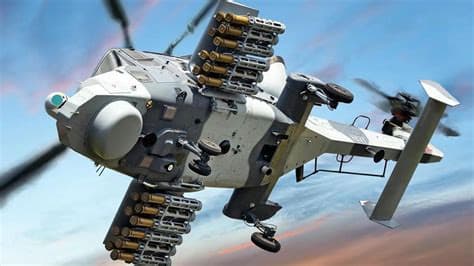
Israeli aircraft swept through Iranian airspace again this week, striking missile infrastructure and military facilities linked to Iran’s expanding arsenal. Among the targets was Tehran’s Mehrabad Airport, a key domestic aviation hub whose runways and surrounding installations have long carried both civilian traffic and military significance. Explosions and fires were reported across parts of the complex as Israeli forces attempted to dismantle logistical networks believed to support missile launches and regional proxy groups.
The strikes were part of a broader campaign that has unfolded over days, as Israel and its allies intensify efforts to neutralize Iran’s missile capabilities and military command structures. Reports from Israeli officials described waves of aircraft dropping hundreds of munitions on targets ranging from launch sites to command facilities scattered across Iran.
But in conflicts shaped by distance and retaliation, every strike carries an answer.
Iran responded with repeated salvos of missiles and drones aimed toward Israel, triggering air-raid sirens across cities including Tel Aviv and Jerusalem. Interceptors streaked upward through the night as air defense systems attempted to intercept incoming projectiles.
The exchange has transformed the region’s skies into corridors of motion—jets crossing borders, missiles tracing brief arcs of fire, and civilian aircraft rerouted far from contested airspace. In coastal cities along the Persian Gulf, residents have watched defensive batteries intercept projectiles above their skylines, fragments falling into streets and harbors as the wider conflict brushes against neighboring states.
At the same time, the rhetoric surrounding the war has expanded beyond the immediate battlefield.
Iranian officials warned European nations against entering the conflict or assisting military operations against Tehran, suggesting that wider involvement could invite retaliation. The message was delivered as diplomats across the region attempted to manage a conflict already spilling into neighboring countries and maritime routes vital to global energy supplies.
The confrontation traces its roots to a longer arc of tension between Israel and Iran—years of rivalry over missile programs, regional alliances, and nuclear ambitions. The latest campaign, launched in late February and known in Israeli circles as Operation Lion’s Roar, marked one of the most direct military confrontations between the two states in decades.
Now the conflict seems to move in pulses—airstrikes followed by retaliation, threats followed by diplomatic signals. Markets respond with unease, shipping lanes adjust their routes, and civilians across several countries measure the distance between the sound of a siren and the silence that follows.
In Tehran, smoke drifting above an airport runway tells one part of the story. In Tel Aviv, the echo of missile warnings tells another. Between them stretches a region watching the sky, aware that each exchange redraws the horizon of what might come next.
For now, the war continues to move through the air—carried on jet engines, missile trails, and the uneasy expectation that the next signal might arrive at any moment.
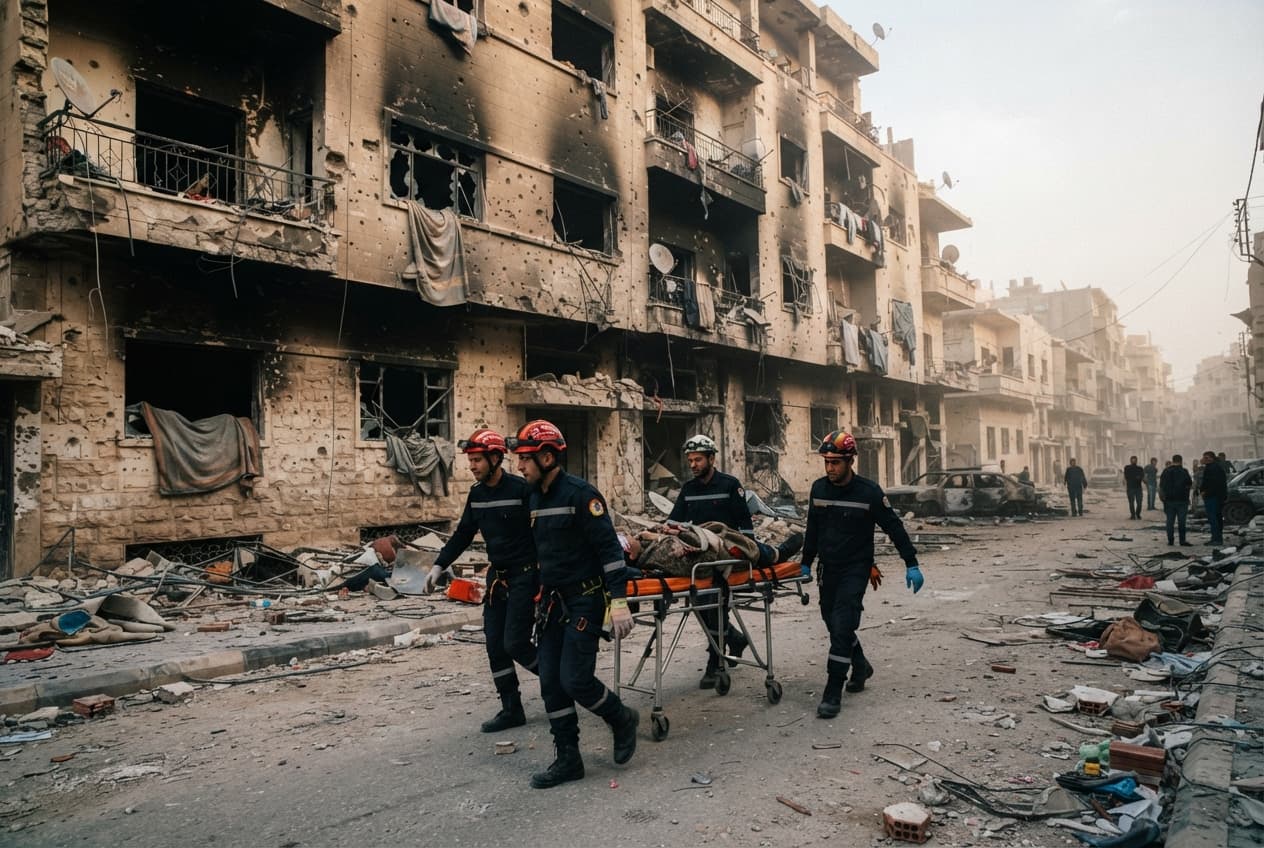
AI Image Disclaimer Visuals are AI-generated and serve as conceptual representations rather than real-world photographs.
Sources Reuters Associated Press The Guardian PBS NewsHour Times of Israel
Published by Banx Network. This article is part of the Banx decentralized media programme, powered by the BXE token on the XRP Ledger.