
Key Highlights
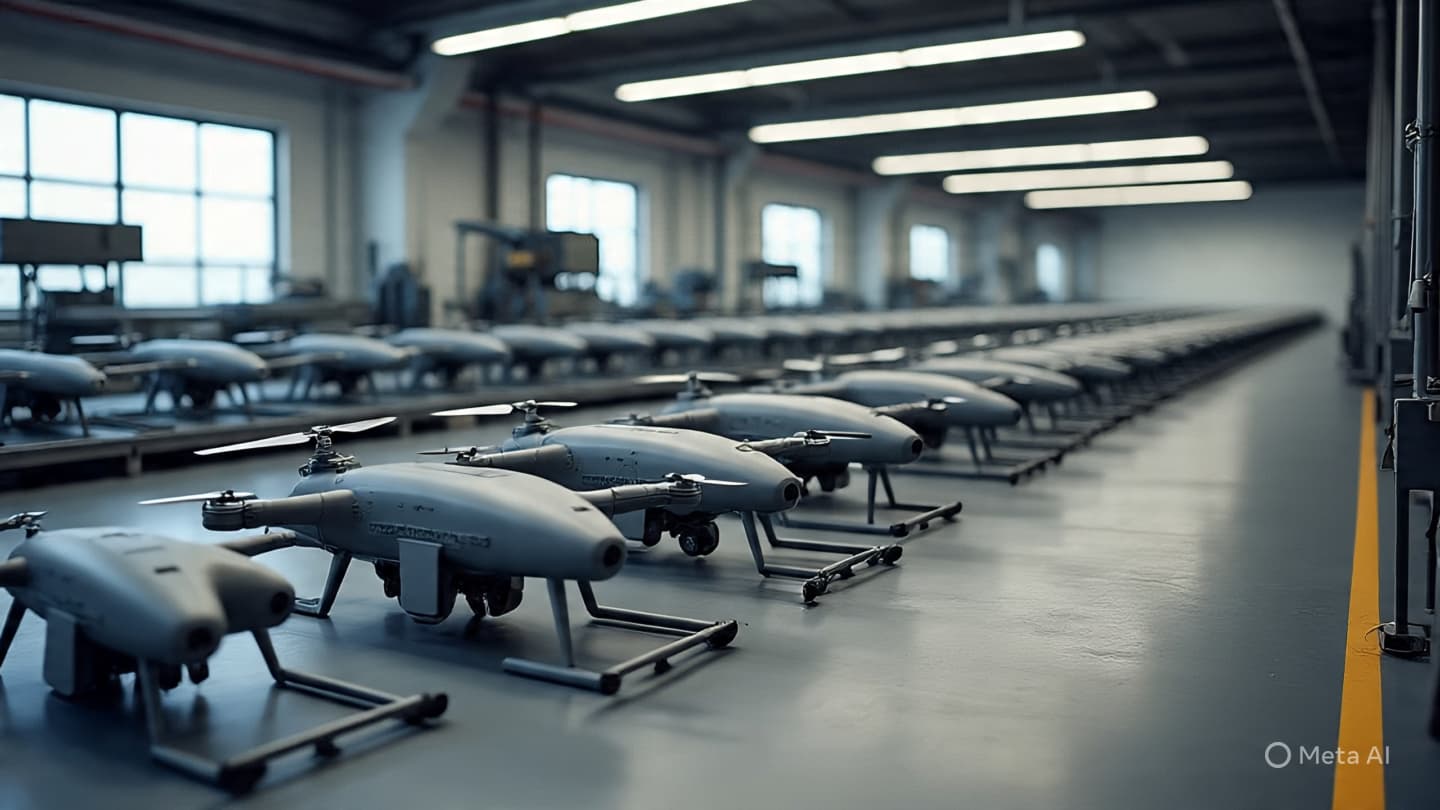
- Netherlands commits hundreds of millions to drone production for Ukraine.
- The decision reflects a shift in European defense strategies.
- Drones symbolize modern warfare and remote support in conflicts.
The impact of conflict often transcends borders, creating ripples that affect nations far removed from the initial strife. Recently, the Netherlands has taken a significant step by committing hundreds of millions of euros to the production of drones intended for Ukraine. This decision is not merely a financial investment; it is a statement of solidarity and a reflection of the intricate realities of contemporary geopolitics.
Drones have emerged as pivotal tools in modern warfare, capable of surveillance, assistance, and even autonomous action. The Netherlands' commitment underscores a broader alignment among European nations and NATO, where support for Ukraine has manifested in various forms, including economic aid, humanitarian assistance, and now, technological advancements. The increasing reliance on drones signifies a transformation in military tactics, allowing nations to contribute to conflicts without direct ground involvement.
This move also marks a notable evolution in the Netherlands' role on the global stage. Historically viewed through the lens of trade and diplomacy, the country is now engaging more actively in defense initiatives. However, this participation is characterized by a cautious approach, balancing the need for involvement with the desire to maintain distance from direct conflict.
A critical question arises from this situation: what does it mean to support a nation from afar? Is it an act of responsibility, alliance, or necessity? The answer may encompass all three, intertwined in complex ways that defy simplistic interpretations. As the Netherlands forges ahead with its drone production, the implications of this commitment will continue to unfold, revealing the nuanced dynamics of international relations.
As the drones are developed and deployed, the Netherlands' role in this conflict will evolve, reflecting a steady shift in how nations engage in global affairs. This is not a dramatic transformation but rather a gradual adaptation to the realities of modern warfare, where even measured actions can have profound consequences.
Ultimately, the narrative surrounding these drones extends beyond the machines themselves; it is about the choices that lead to their creation. Decisions made in the relative calm of government offices resonate across distant skies, shaping the future of international conflict and cooperation.
Published by Banx Network. This article is part of the Banx decentralized media programme, powered by the BXE token on the XRP Ledger.



