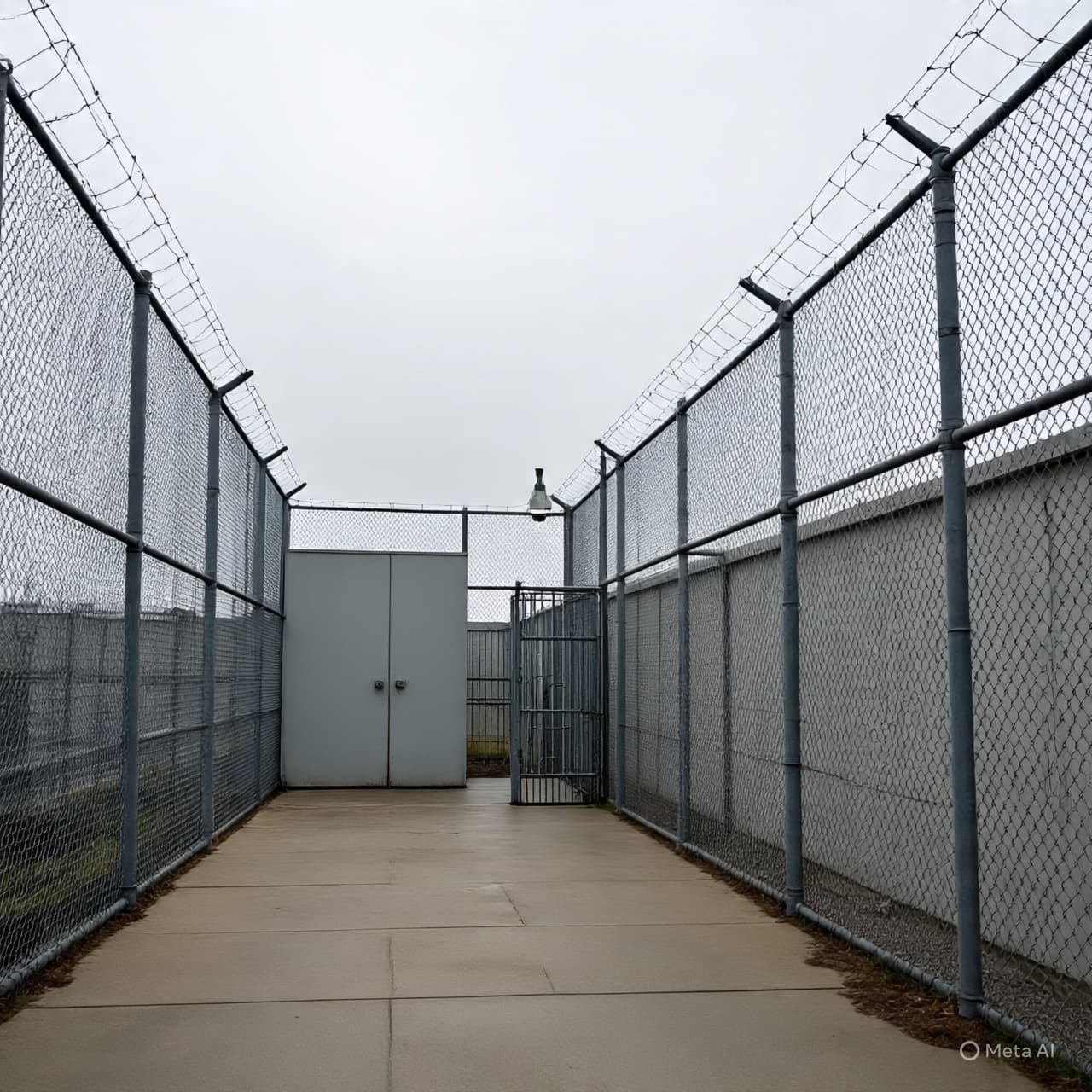
There are moments when a single case carries more than medical weight; it carries memory. In recent years, the word “mpox” has traveled across headlines and health advisories, leaving behind lessons in vigilance and communication. Now, in , authorities are responding to the death of a prison inmate linked to mpox with a tone that seeks balance—acknowledging loss while urging calm.
Officials confirmed that the inmate, who had underlying health conditions, died after contracting mpox while in custody. The case has prompted targeted health measures within the correctional facility, including screening of close contacts, temporary isolation protocols, and enhanced sanitation procedures. Authorities have emphasized that the situation is contained and that no widespread outbreak has been identified.
Mpox, formerly known as monkeypox, is a viral disease that typically spreads through close physical contact, including skin-to-skin exposure or contact with contaminated materials. Symptoms often include fever, swollen lymph nodes, and a characteristic rash. In most cases, the illness is self-limiting, though complications can occur, particularly among individuals with weakened immune systems.
Thailand’s public health officials have reiterated that transmission risk to the general public remains low. They have stressed that the incident is confined to a controlled environment and that health teams are conducting contact tracing within the facility. Vaccination strategies and treatment protocols remain available for high-risk groups.
The correctional setting presents particular challenges for infectious disease control, given close living quarters and shared facilities. In response, authorities have reinforced infection prevention measures, including health monitoring of inmates and staff. Educational briefings have also been conducted to reduce misinformation and stigma.
The Ministry of Public Health has underscored that Thailand maintains surveillance systems capable of detecting and managing sporadic mpox cases. Since the global mpox outbreak in 2022, health agencies worldwide have strengthened reporting channels and laboratory capacity. Thailand’s experience during that period appears to have informed its current response.
Internationally, the continues to monitor mpox trends, noting that while cases persist in various regions, large-scale transmission has significantly declined compared to peak periods. The virus remains present, but public health responses have evolved to focus on rapid containment and targeted outreach.
Authorities in Thailand have appealed for public composure, cautioning against speculation or stigmatization. They have encouraged individuals experiencing symptoms to seek medical care promptly and to follow official guidance. At this stage, no additional restrictions have been announced beyond the measures implemented within the prison.
As investigations continue, health officials are expected to provide updates should new information emerge. For now, the response centers on containment, monitoring, and reassurance. The death has been acknowledged with seriousness, but officials maintain that broader public risk remains limited.
In the days ahead, authorities will continue health surveillance within the correctional system and the surrounding community. Updates will be issued if necessary, as Thailand’s public health agencies work to ensure the situation remains under control.
AI Image Disclaimer: Images in this article are AI-generated illustrations, meant for concept only.
Sources: Reuters Associated Press BBC News Al Jazeera The Bangkok Post
Published by Banx Network. This article is part of the Banx decentralized media programme, powered by the BXE token on the XRP Ledger.

.jpg&w=3840&q=75 "Qantas Grounds Plane After Passengers Report Bedbug Bites")