In the sweltering heat of a Tokyo summer, where the air hangs heavy and the sun beats down with relentless intensity, a tragedy unfolded at Tama Zoological Park. Three lionesses, majestic creatures accustomed to the savannah’s warmth, succumbed to suspected heat stroke within the span of a week. Their deaths are a poignant reminder of the vulnerabilities of wildlife in the face of extreme weather, and a sobering reflection on the challenges zoos face in a warming world.
The temperatures in Tokyo had soared to nearly 37°C (98.6°F), creating conditions that were dangerous even for humans, let alone large animals with thick coats. Despite the best efforts of zookeepers to provide shade, misting systems, and cool spaces, the lions suffered from dehydration and multiple organ failure. Veterinarians noted that the rapid onset of symptoms left little time for intervention, highlighting the severity of the heat stress.
Tama Zoological Park is home to 16 lions, and ten others have shown signs of heat-related distress, including lethargy and loss of appetite. Staff have been working around the clock to monitor their health, providing extra water and adjusting feeding schedules to cooler parts of the day. The incident has sparked a broader conversation about the adequacy of current cooling measures and the need for more robust infrastructure to protect animals during heatwaves.
Japan has been experiencing record-breaking temperatures this summer, with heat advisories issued across the country. The impact on wildlife is not limited to zoos; wild animals also struggle to find relief in urban environments where natural habitats are fragmented. The deaths of the lions serve as a symbol of the wider ecological stress caused by climate change, affecting species from the smallest insects to the largest mammals.
Public reaction has been one of sadness and concern, with many visiting the zoo to pay their respects. The incident has also drawn attention to the ethical considerations of keeping large predators in captivity, especially in regions prone to extreme heat. While zoos play a vital role in conservation and education, they must continually adapt to ensure the welfare of their residents in changing climatic conditions.
Experts suggest that future zoo designs must prioritize climate resilience, incorporating advanced cooling technologies and naturalistic shelters that allow animals to regulate their body temperature effectively. Research into heat-tolerant breeds or behavioral adaptations may also offer solutions. The goal is to create environments that not only mimic natural habitats but also protect against their extremes.
The loss of the three lionesses is a tragic event that underscores the urgent need for action on climate change and animal welfare. As temperatures continue to rise, zoos and wildlife sanctuaries must innovate to protect the creatures in their care. Their story is a call to empathy and responsibility, reminding us of our duty to safeguard all life on Earth.
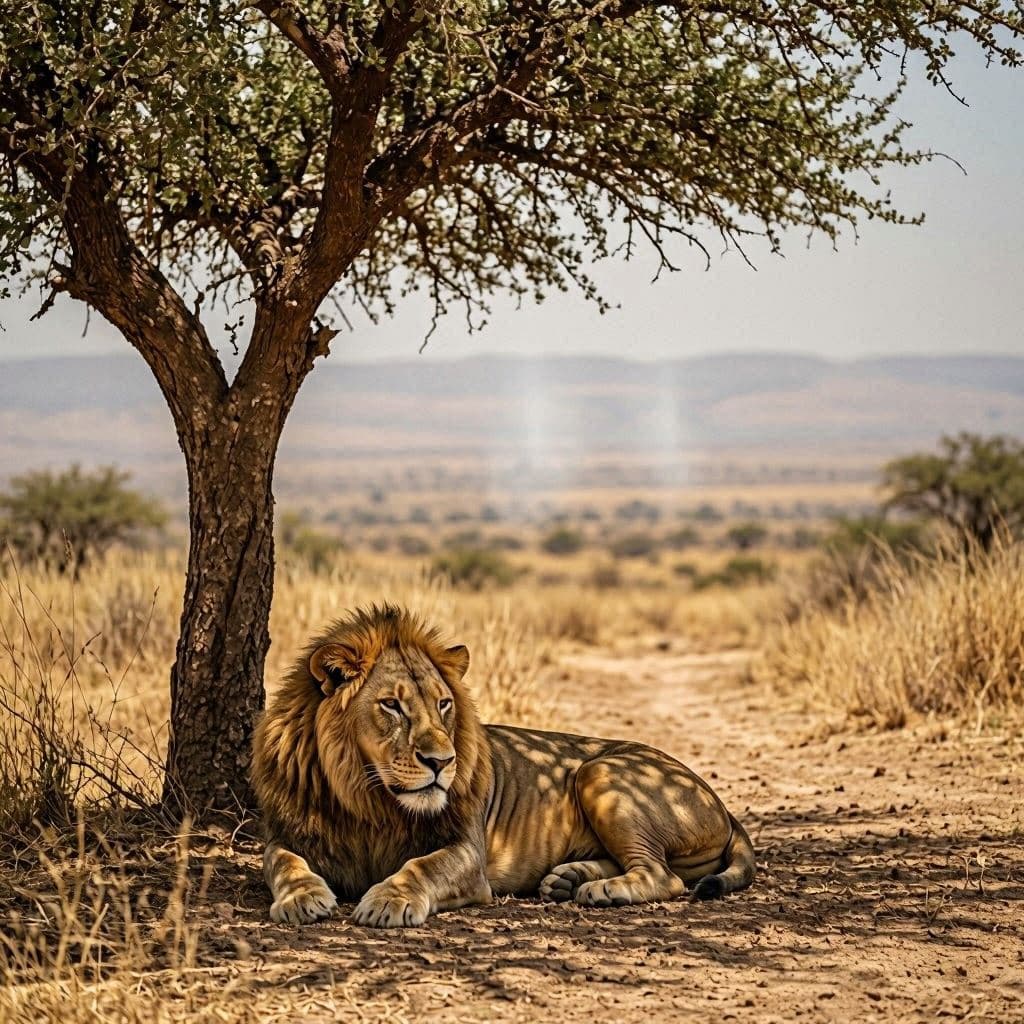
AI Image Disclaimer: The images provided are AI-generated to visually represent the environmental and emotional context of the story.
Sources: The Guardian CNN ABC News Australia
Published by Banx Network. This article is part of the Banx decentralized media programme, powered by the BXE token on the XRP Ledger.