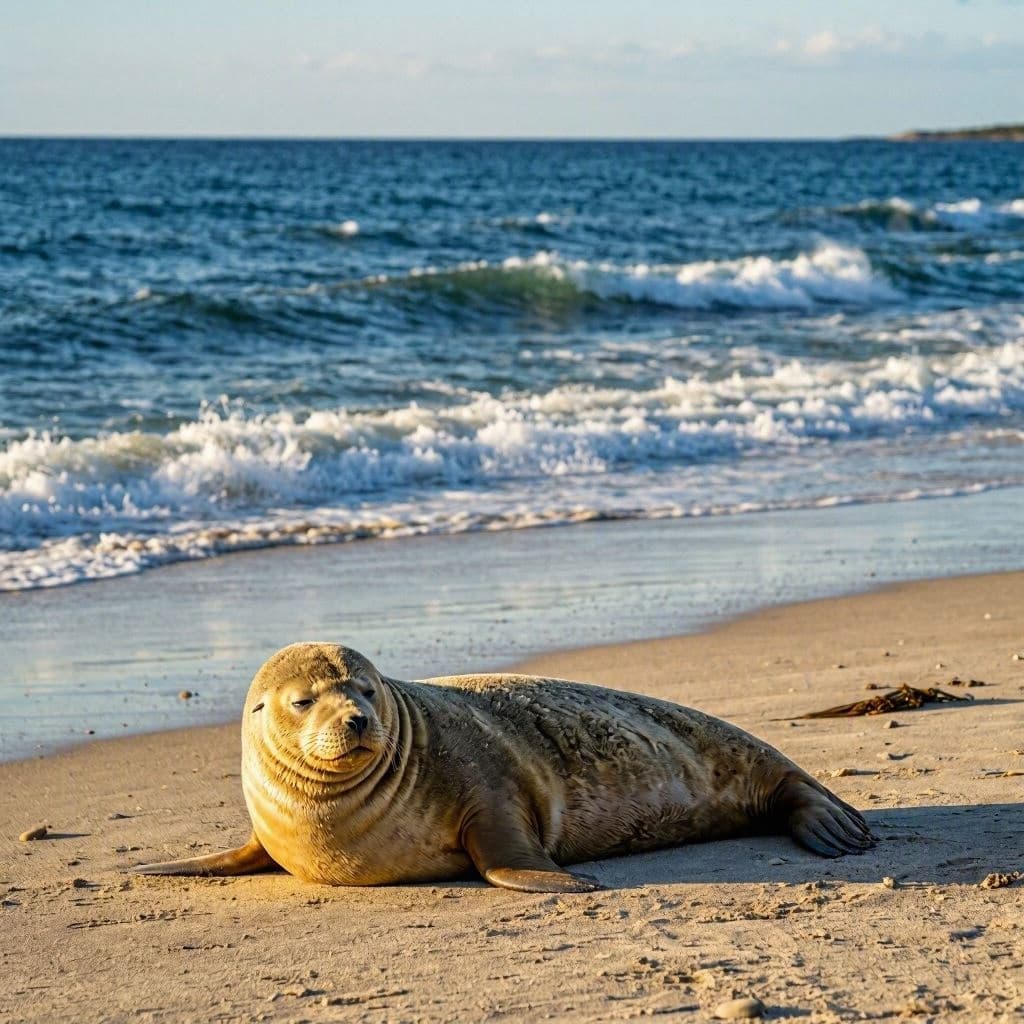
On the rugged shores of Kangaroo Island, where wildlife thrives in relative isolation, a somber milestone has been reached. An endangered Australian sea lion has died from the H5N1 bird flu virus, marking the first confirmed case of its kind in this vulnerable species. The incident at Seal Bay, a critical breeding ground, raises urgent concerns about the spread of the virus among marine mammals and the potential threat to populations already struggling for survival.
The sea lion, which was being monitored after recovering from a shark attack, tested positive for the highly pathogenic avian influenza. Authorities confirmed that the virus, not the previous injury, was the cause of death. This development is particularly alarming because Australian sea lions are one of the world’s rarest pinnipeds, with a small and fragmented population that is highly susceptible to disease outbreaks. The loss of even a single individual can have significant demographic impacts.
Bird flu has previously affected seabirds and other marine species in Australia, but its jump to sea lions represents a worrying expansion of its host range. The virus likely spread through contact with infected birds, such as the greater crested terns that recently tested positive in the same area. Marine mammals are known to be vulnerable to influenza viruses, and the dense social structures of seal colonies can facilitate rapid transmission.
Conservationists and government agencies are now on high alert. Enhanced monitoring protocols have been implemented at Seal Bay and other key habitats to detect any further signs of illness. Rangers and veterinarians are working to minimize human disturbance and prevent the introduction of additional pathogens. The situation underscores the interconnectedness of ecosystems, where threats to bird populations can quickly cascade to marine mammals.
The emotional impact on the local community and conservation workers is profound. Sea lions are iconic symbols of Kangaroo Island’s natural heritage, and their decline is felt deeply. The death serves as a stark reminder of the fragility of endangered species in the face of emerging diseases. It highlights the need for robust biosecurity measures and ongoing research into vaccine options or other protective strategies.
Broader implications for Australia’s marine wildlife are significant. With cases already recorded in other regions, there is fear that the virus could become endemic in certain animal populations. This would pose a long-term challenge for conservation efforts, requiring sustained resources and international cooperation to manage. The health of marine ecosystems depends on the resilience of their apex predators and key species like the sea lion.
As investigations continue, the focus remains on protecting the remaining population. Public awareness campaigns encourage visitors to maintain distance from wildlife and report any unusual behavior. In the quiet aftermath of this loss, the commitment to preserving the Australian sea lion grows stronger, driven by the hope that science and stewardship can halt the spread of this deadly virus.
AI Image Disclaimer: The images used in this report are AI-generated visuals created to illustrate the themes of marine conservation and wildlife health respectfully.
Sources: The Guardian, ABC News Australia, Nine News
Published by Banx Network. This article is part of the Banx decentralized media programme, powered by the BXE token on the XRP Ledger.