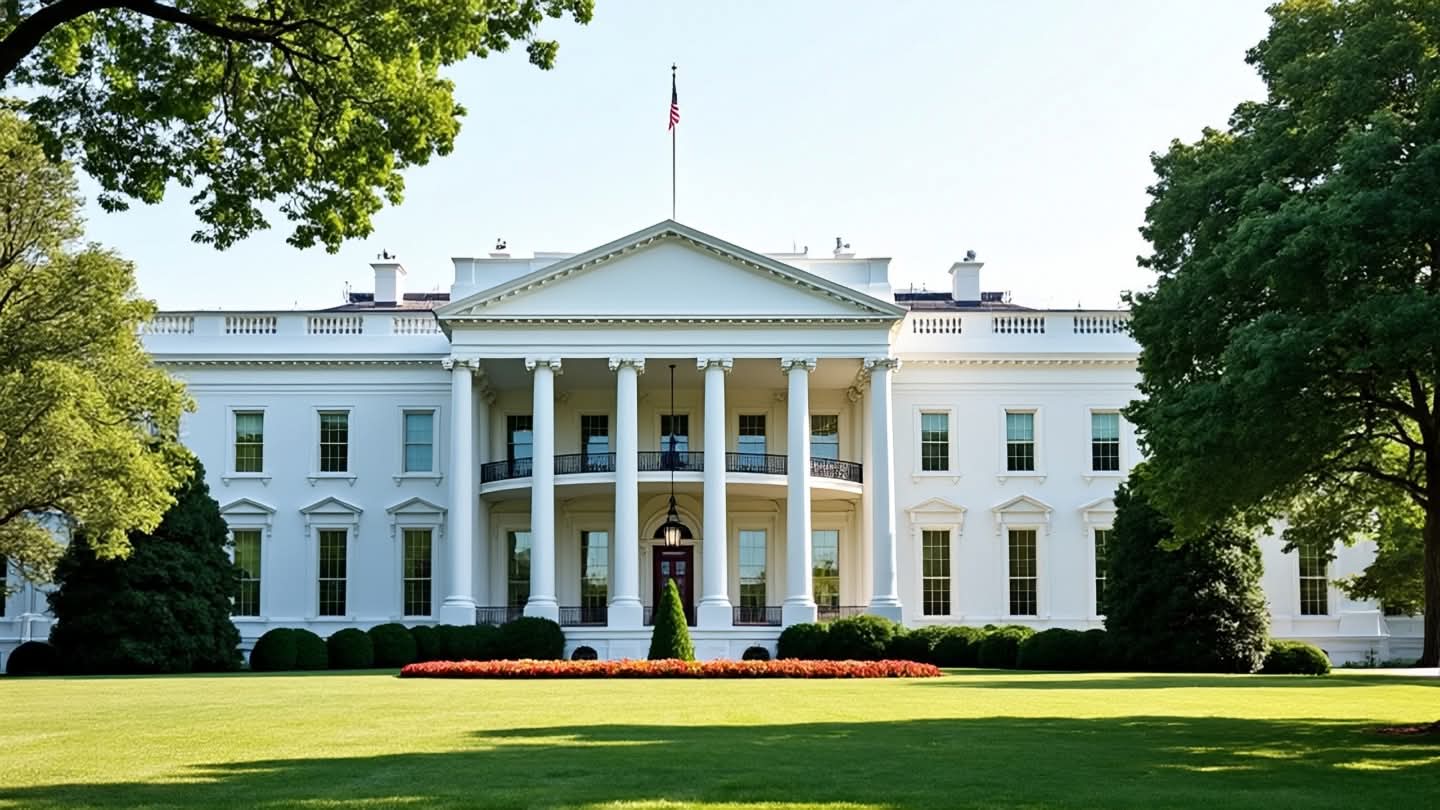
In the intricate machinery of American immigration policy, few gears turn as critically—or as controversially—as the H-1B visa program. Designed to bring specialized talent into the United States, it has long been a bridge between global innovation and domestic industry. Now, a proposed rule aimed at tightening oversight and enhancing wage protections for these workers has reached a pivotal juncture, moving under the scrutiny of the White House. This shift signals not just an administrative adjustment, but a broader reflection on how the nation balances economic competitiveness with the protection of its workforce.
The Department of Homeland Security’s proposed changes seek to modernize the selection process and ensure that H-1B visas are awarded based on merit and fair compensation. By prioritizing higher wages, the rule aims to prevent the undercutting of American workers while still attracting top-tier global talent. For tech companies and research institutions, this represents a potential reshaping of their hiring strategies, requiring a more nuanced approach to recruitment and retention.
As the proposal moves to the Office of Information and Regulatory Affairs for final review, stakeholders on all sides are watching closely. Industry leaders argue that excessive regulation could stifle innovation and drive talent to other countries with more flexible policies. Conversely, labor advocates welcome the changes, viewing them as a necessary step to correct imbalances that have allowed some employers to exploit the system for cheaper labor.
The White House’s involvement underscores the political sensitivity of immigration reform. In an election year, decisions regarding foreign workers are rarely just about economics; they are deeply tied to narratives of national identity and economic security. The administration must navigate a path that satisfies both the demands of a knowledge-based economy and the concerns of workers who feel left behind by globalization.
Historically, the H-1B program has been a subject of intense debate, with critics pointing to instances of fraud and abuse. The new oversight measures aim to address these concerns by implementing stricter verification processes and increasing transparency. If adopted, these changes could significantly reduce the number of visas issued to lower-wage positions, shifting the focus toward highly specialized roles.
For the thousands of individuals currently in the H-1B pipeline, the uncertainty creates a climate of anxiety. Many have built their lives and careers around the promise of this program, only to find the rules shifting beneath their feet. Their stories remind us that behind every policy decision are human lives affected by the whims of bureaucratic procedure.
Legal experts suggest that any final rule will likely face immediate challenges in court, prolonging the resolution of these issues. The interplay between executive authority and judicial review ensures that the debate will continue long after the initial announcement. It is a testament to the complexity of regulating a globalized labor market within a national framework.
As the White House reviews the H-1B oversight rule, the nation waits to see how it will define the future of skilled immigration. The outcome will not only impact the tech sector but also set a precedent for how America engages with the world’s talent in an increasingly competitive era.
AI Image Disclaimer: Please note that any accompanying visuals for this report are AI-generated representations intended to illustrate the context of the event.
Sources: The Wall Street Journal Reuters Bloomberg Law Department of Homeland Security
Published by Banx Network. This article is part of the Banx decentralized media programme, powered by the BXE token on the XRP Ledger.