There are numbers that pass quietly through the world, and others that stop it, if only for a moment. A thousand years is one such number — a measure so vast it escapes ordinary human reckoning. In El Salvador, that number was spoken not as metaphor, but as sentence, carrying with it the full weight of a nation’s long struggle with violence.
A Salvadoran court this week sentenced a convicted gang member to 1,335 years in prison, one of the longest prison terms ever recorded. The man, identified by authorities as a member of the MS-13 gang, was found guilty of participating in dozens of murders committed over several years. Each count added another stretch of time, another layer to a punishment designed not merely to incarcerate, but to make a statement.
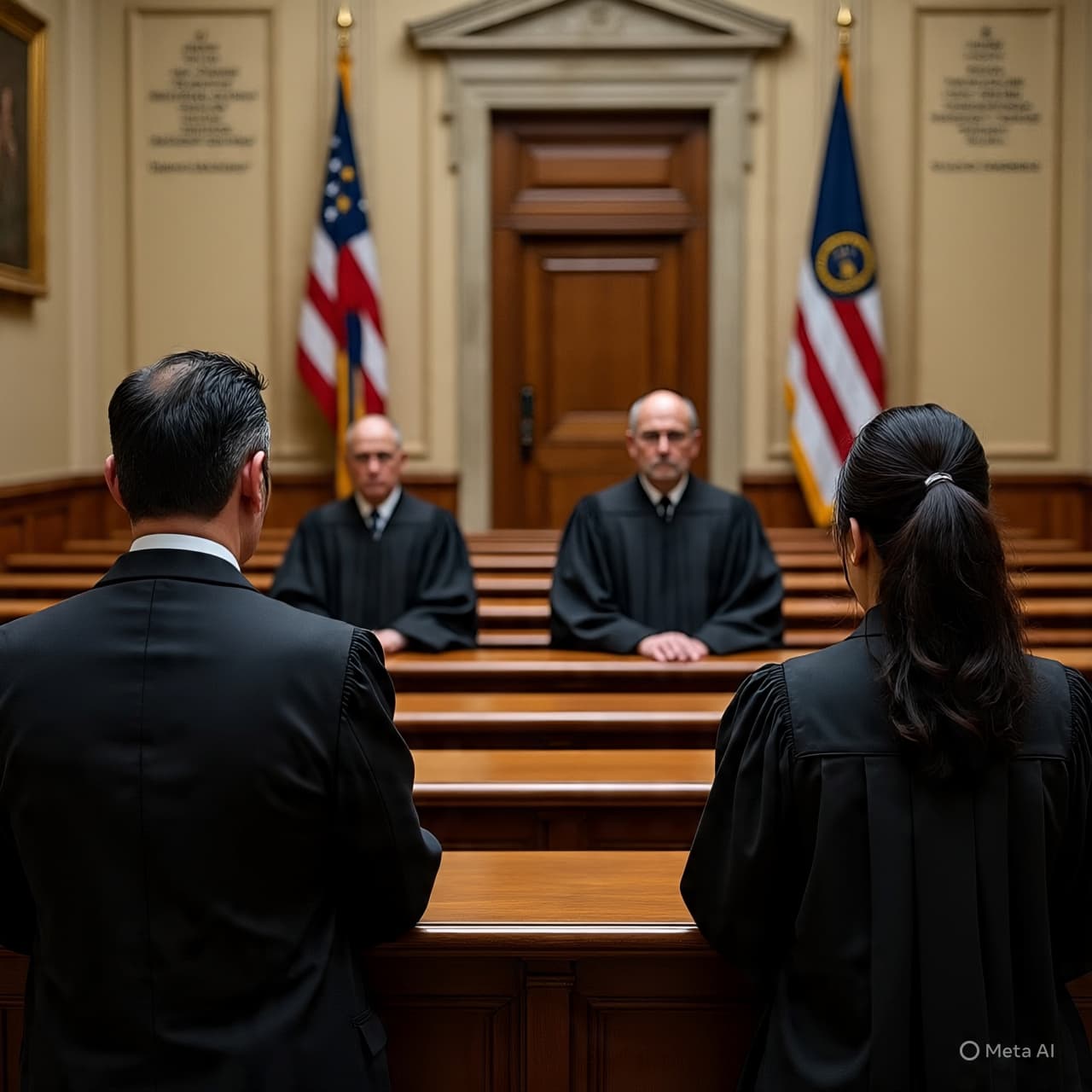
The verdict unfolded within the broader context of El Salvador’s sweeping crackdown on gang activity. Under expanded emergency powers, courts have accelerated prosecutions tied to organized violence that once gripped entire neighborhoods. Prosecutors detailed how the accused took part in killings that were systematic, deliberate, and intended to reinforce fear. Families of victims sat through the proceedings, listening as the court converted loss into arithmetic.
Legally, the sentence exceeds any human lifespan. In practice, Salvadoran law limits the actual time a person can remain imprisoned. Yet the symbolic force of the ruling was unmistakable. It reflects an effort by the justice system to account for each life taken, refusing to collapse multiple crimes into a single abstraction. Every victim, the court implied, deserved recognition.
Critics have raised concerns about due process within the country’s mass arrests and rapid trials, warning that severity can eclipse scrutiny. Supporters, meanwhile, argue that extraordinary violence has demanded extraordinary measures, and that visible consequences are necessary to restore public safety after decades of fear.
As the courtroom emptied, the number lingered — not as a countdown, but as a marker of how deeply violence has shaped El Salvador’s recent history. Whether such sentences ultimately heal or harden a society remains an open question. What is clear is that the country is drawing a line in time, measured not in years lived, but in years imposed.
Published by Banx Network. This article is part of the Banx decentralized media programme, powered by the BXE token on the XRP Ledger.