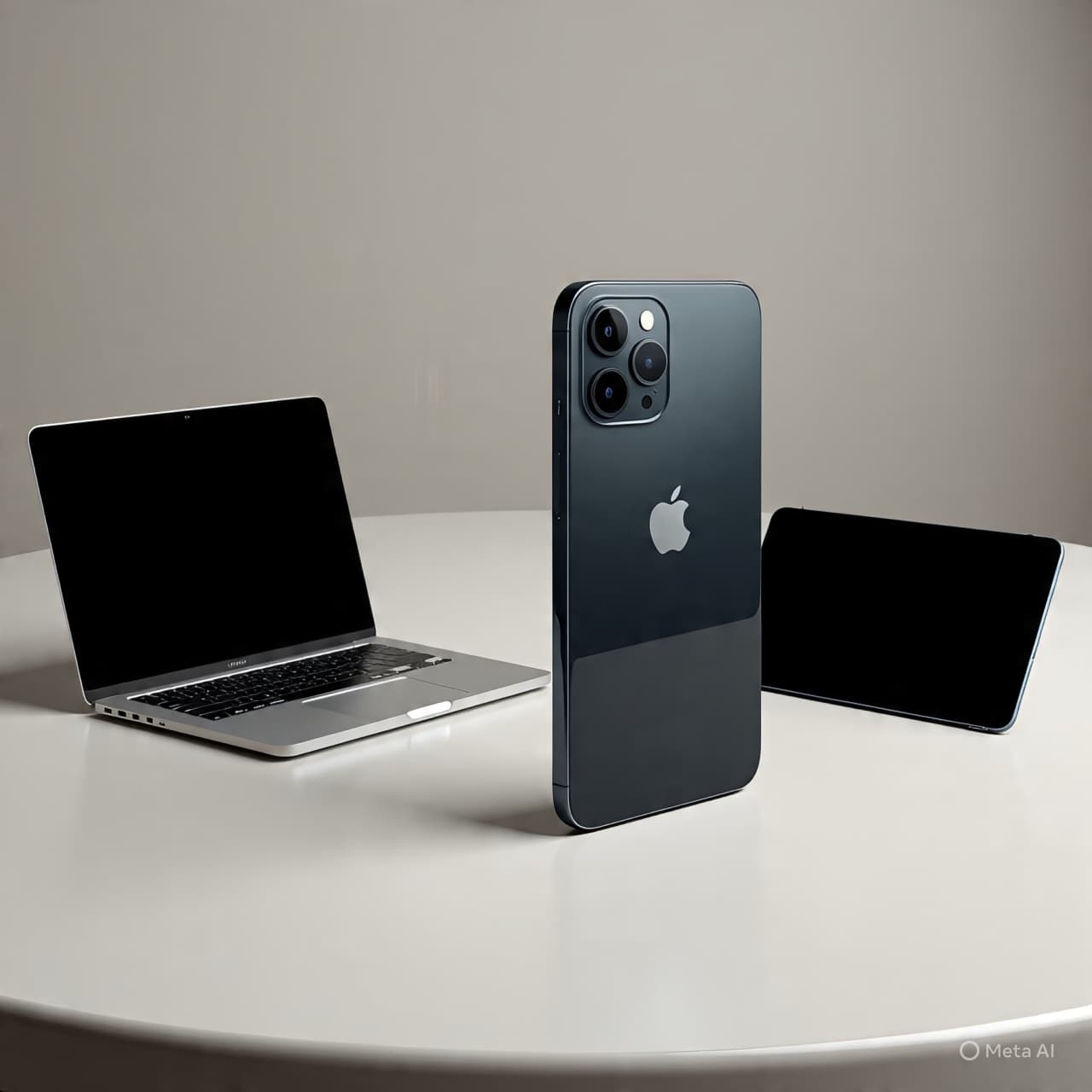
There’s a quiet anticipation that precedes every new season in the technology world — a sense that something familiar is about to change, or at least evolve. For millions who hold their phones, tablets, and laptops close throughout daily life, that anticipation is punctuated by the cycle of Apple’s product announcements. This year, that cycle feels different — not a single crescendo but a gentle unfolding across several days, much like blossoms greeting the first light of spring rather than one sudden burst of color.
According to reports from multiple industry sources, including insights compiled in recent technology briefings, Apple is preparing to unveil at least five new products next week, beginning March 2 and culminating with an in-person “Apple Experience” on March 4. This multi-day cadence departs from the familiar format of a single keynote nestled in a packed auditorium with millions watching from afar. Instead, Apple appears to be embracing a rolling revelation — a period of sequential product announcements that allows each device or update its moment in the spotlight.
Technology critics and insiders have speculated that items on the docket may span Apple’s key hardware lines, blending upgrades and entirely new offerings. A lower-cost MacBook is widely tipped as a “very likely” headline product, potentially featuring a display around 12.9 inches and color options that echo Apple’s recent design language. Rumors also point to the expected debut of the iPhone 17e, an iteration of Apple’s mid-tier smartphone lineup, with performance and connectivity updates influenced by the latest internal chips.
Beyond laptops and phones, the coming week could introduce refreshed tablet offerings — with both iPad Air and standard iPad models anticipated to receive processor upgrades — as well as updated MacBook Air and MacBook Pro models powered by Apple’s latest silicon. A refreshed Studio Display and other Mac accessories also linger in the realm of possibility, with supply shortages of existing models suggesting that replacements may be imminent.
The format Apple has chosen — releasing products through press announcements over several days and hosting localized experiences in cities such as New York, London, and Shanghai — reflects more than logistics; it signals a shift in how the company wants to connect with its global audience. The “experience” model emphasizes tactile engagement and direct interaction with the devices, a contrast to the polished spectacle of past events.
For everyday consumers, the promise of multiple new products in a compact window invites practical excitement. A more affordable MacBook could broaden access to the Apple ecosystem, while updates to iPhones and iPads will attract both long-time users and those considering their next upgrade. The lush global rollout also nods to Apple’s continued focus on international markets, adapting presentation styles and accessibility to a wider audience.
As the week approaches, one refrain from industry observers remains consistent: while specific details will only become clear as announcements arrive, the structure of the reveals suggests Apple is pacing itself with intention. In a marketplace where information spreads instantly and anticipation can outpace release cycles, this gentle cadence allows space for each new product to be appreciated on its own terms.
Whether the spring lineup will redefine the company’s direction or serve as a thoughtful evolution of its existing portfolio, the coming days promise a productive start to Apple’s 2026 hardware calendar.
AI Image Disclaimer Visuals are created with AI tools and are not real photographs.
Sources Reuters Bloomberg The Verge AnandTech Tom’s Hardware
Published by Banx Network. This article is part of the Banx decentralized media programme, powered by the BXE token on the XRP Ledger.