
Key Highlights
- The Strait of Hormuz is a critical maritime route for global trade.
- Daily, numerous vessels transport energy resources through this narrow passage.
- Economic analysts emphasize the link between maritime security and freight costs.
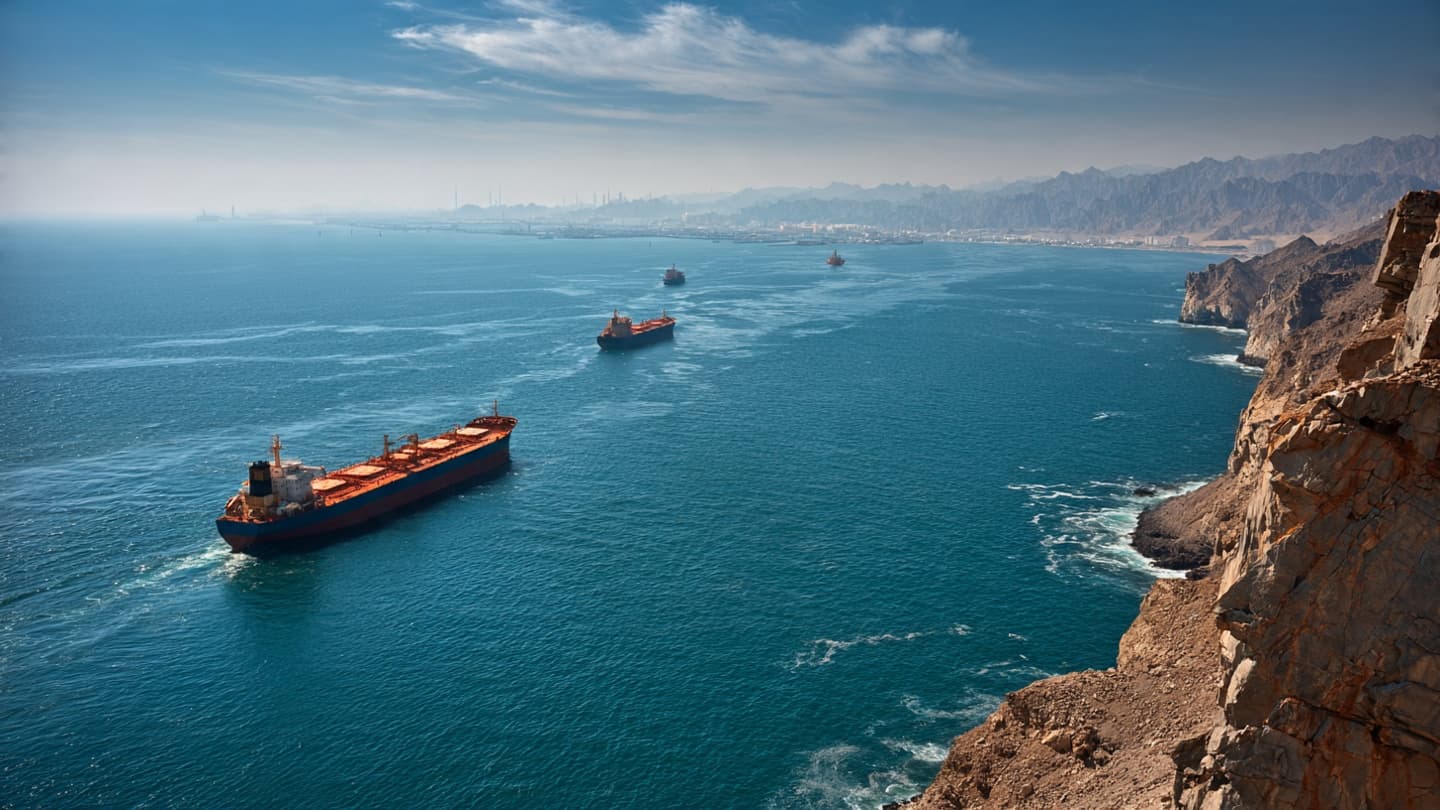
The Strait of Hormuz, a narrow waterway connecting the Persian Gulf to the Arabian Sea, is one of the most strategically significant maritime routes in the world. Approximately 20% of the global oil supply passes through this vital corridor, making it essential for international trade and energy security. Every day, commercial vessels navigate these waters, transporting not only oil but also a variety of goods that fuel the global economy.
Shipping companies are actively collaborating with maritime authorities to ensure safe navigation through the Strait of Hormuz. This cooperation is crucial, especially in light of regional tensions that could threaten the stability of shipping operations. Industry leaders have underscored the importance of uninterrupted shipping, stating that any disruptions could have far-reaching consequences for global commerce.
In response to potential risks, insurance providers and logistics firms are reassessing their operational plans. They are implementing strategies to minimize disruptions and ensure that supply chains remain intact. The stability of maritime routes like the Strait of Hormuz is vital for maintaining confidence among international trade networks, which rely on timely deliveries and predictable shipping costs.
Economic analysts have pointed out that maritime security directly influences freight costs and commodity prices. When shipping routes are threatened, the costs associated with transporting goods can rise significantly, impacting everything from consumer prices to investment decisions. Therefore, continued international cooperation and diplomatic efforts are essential to ensure the safety and security of these critical waterways.
As diplomatic negotiations progress, the shipping industry remains cautiously optimistic. Stakeholders believe that maintaining stability in the Strait of Hormuz will support efficient global trade in the coming months. The interconnectedness of global supply chains means that any instability in this region could ripple through economies worldwide, affecting everything from oil prices to consumer goods.
In conclusion, the Strait of Hormuz is not just a passage for ships; it is a lifeline for the global economy. As the world continues to navigate complex geopolitical landscapes, the importance of secure maritime routes cannot be overstated. The ongoing efforts to ensure the safety of this vital waterway will be crucial for sustaining international trade and economic stability.
Published by Banx Network. This article is part of the Banx decentralized media programme, powered by the BXE token on the XRP Ledger.



