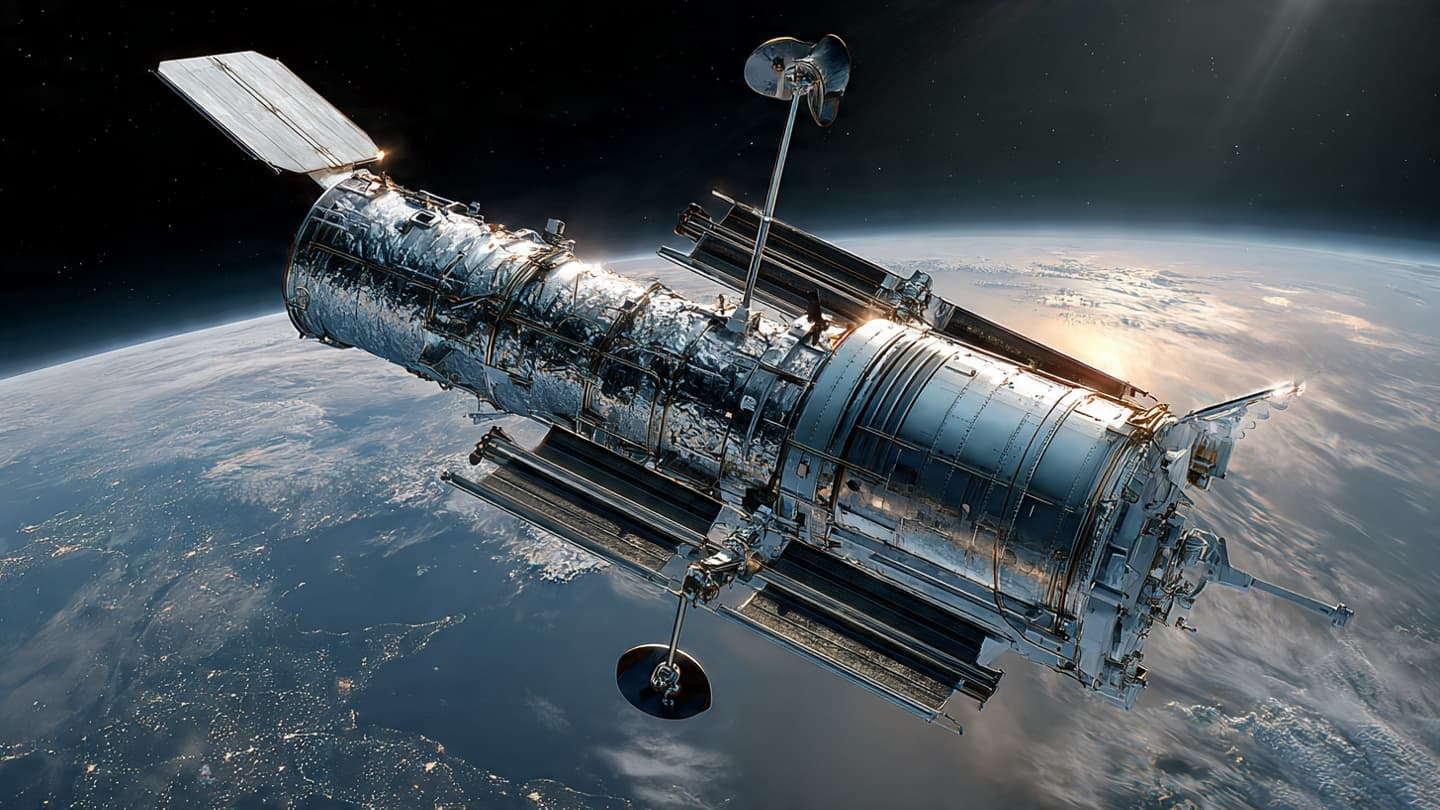
Far above Earth, where sunlight glides endlessly across metal and glass, many scientific instruments continue their work long after their expected lifetimes. Yet even among the stars, age eventually leaves its mark. A new mission now seeks to extend the life of an aging space telescope through a pioneering robotic rescue effort.
The mission, described as the first of its kind, aims to use a robotic spacecraft to rendezvous with and service an older telescope already operating in orbit. If successful, the effort could demonstrate a new era of satellite maintenance and life extension.
Space agencies and commercial aerospace companies have increasingly explored in-orbit servicing technologies as a way to reduce costs and preserve valuable scientific assets. Instead of retiring expensive spacecraft, engineers hope future missions may repair, refuel, or reposition them remotely.
The upcoming robotic operation will require extraordinary precision. The servicing spacecraft must carefully approach, inspect, and establish contact with the telescope while both vehicles travel at high speeds in orbit around Earth.
Mission planners say robotic servicing could transform how future observatories are designed. Space telescopes often remain scientifically productive long after their fuel reserves or hardware limitations threaten their operations.
Engineers have spent years developing autonomous navigation systems, sensors, and robotic mechanisms capable of functioning in the harsh environment of space. Lessons learned from this mission may influence future deep-space exploration programs.
Beyond scientific benefits, successful in-orbit servicing may also help address concerns about orbital debris by extending spacecraft lifespans and reducing the need for replacement launches.
Whether the mission ultimately succeeds or encounters unforeseen challenges, it represents a significant technological milestone. In the vast silence of space, humanity is taking another step toward caring for its creations long after they leave Earth.
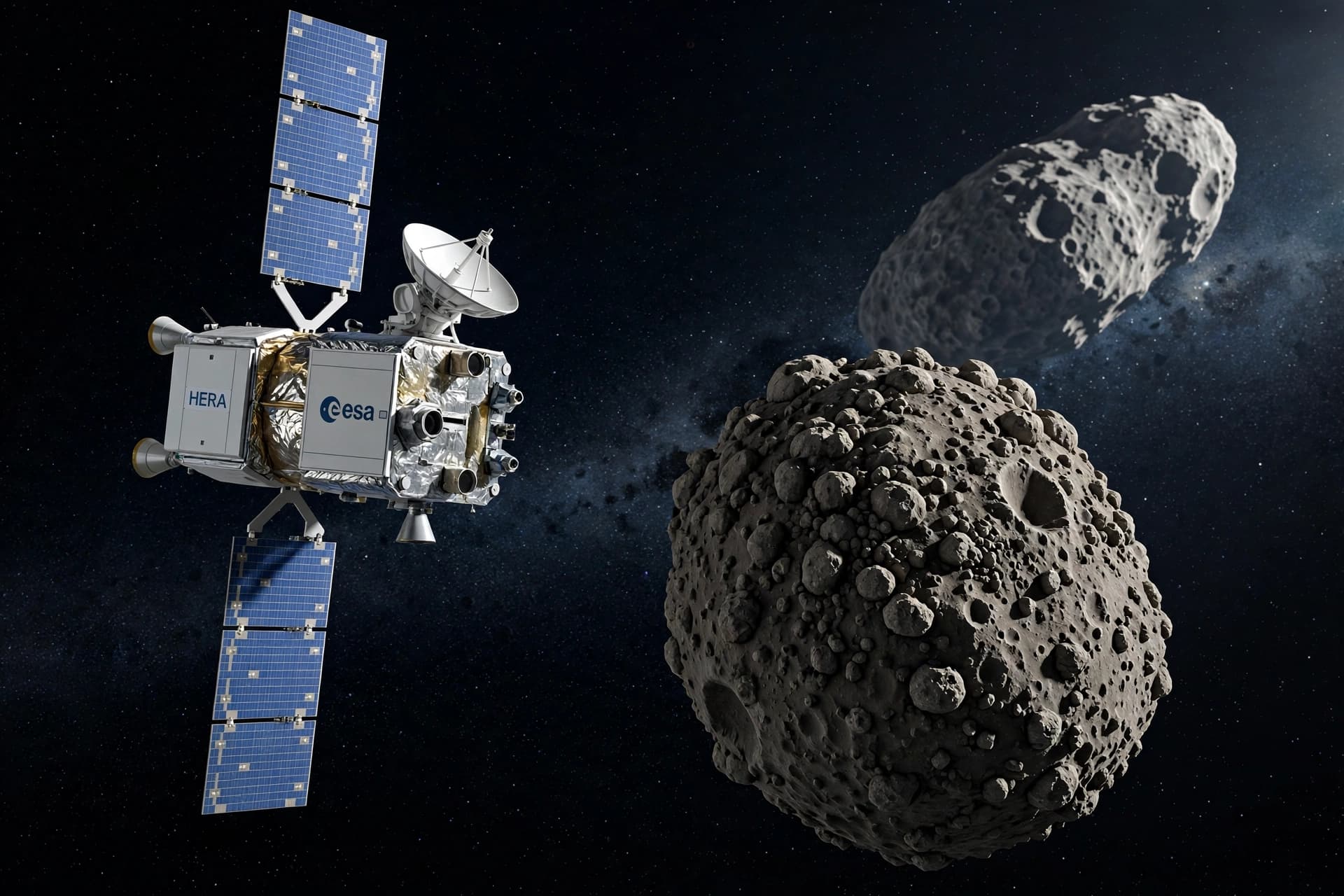
AI Image Disclaimer: The accompanying visuals are AI-generated artistic representations based on publicly reported information.
Sources: Associated Press, NASA, Reuters, aerospace mission briefings
Published by Banx Network. This article is part of the Banx decentralized media programme, powered by the BXE token on the XRP Ledger.