
Key Highlights
- Proposed Road:The Petone to Grenada road is moving closer to realization.
- Property Impact:Up to 200 properties may be directly affected by the new route.
- Community Engagement:Ongoing consultations are allowing residents to voice concerns.
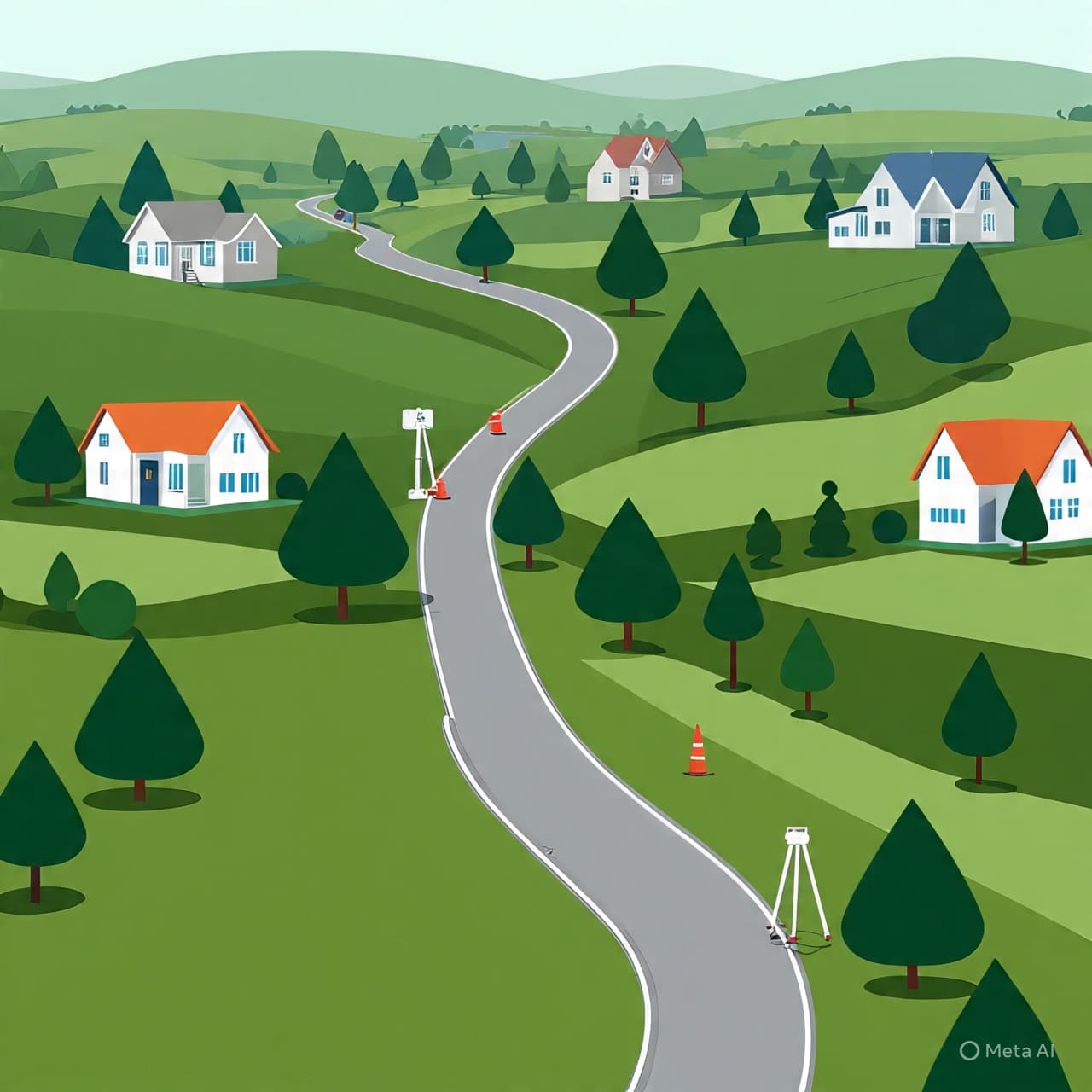
The proposed Petone to Grenada road, a long-discussed infrastructure project in New Zealand, is gaining momentum as it moves closer to realization. This road aims to enhance connectivity between the coast and inland areas, promising to ease congestion and improve transport resilience in the Wellington region. However, the project also brings significant implications for local residents, as up to 200 properties may be directly impacted by its path.
As the planning process unfolds, the proposed route has begun to take clearer shape, transitioning from a mere concept on a map to a tangible reality that will affect the lives of many. Each property along the route represents not just land, but the daily routines and histories of the families who inhabit them. The road's construction could lead to land acquisition, changes in access, and alterations to the character of neighborhoods, creating a complex web of concerns for those who call these areas home.
Authorities, including the New Zealand Transport Agency, have framed the Petone to Grenada road as part of a broader vision to strengthen Wellington's transport network. The project is expected to improve resilience, particularly in the event of disruptions along existing corridors, while also supporting growth in surrounding communities. This dual purpose highlights the road's potential to serve as both infrastructure and a means of continuity, ensuring that movement remains possible even when other routes are compromised.
However, the implications of such infrastructure projects are rarely straightforward. For residents whose properties fall within or near the proposed corridor, the notion of 'direct impact' carries multiple meanings. The uncertainty surrounding land acquisition and changes to neighborhood dynamics can create anxiety and concern, as the future of their homes hangs in the balance. Even before final decisions are made, the specter of change looms large, prompting residents to grapple with the potential loss of familiar landscapes.
To address these concerns, consultation processes have been initiated, allowing community members to voice their opinions and engage in discussions about the project. Public meetings and submissions provide platforms for residents to express their views not only on the proposed route but also on the broader implications of the project. These exchanges often reflect the delicate balance that large infrastructure projects require: weighing collective benefits against individual consequences.
The timeline for such projects is another critical factor. Roads of this scale do not materialize overnight; they progress through various stages, including proposal, refinement, approval, and construction. This lengthy process can offer some residents the opportunity to adjust their plans and consider alternatives, while for others, it extends a period of uncertainty and waiting, where the outcomes remain just out of reach.
Ultimately, the landscape surrounding the Petone to Grenada road holds two versions of itself: the current, familiar one and the future, still forming. Between these two realities lies a space filled with questions and concerns, where the meaning of change is felt not in headlines but in the quiet details of everyday life. As the planning continues, the voices of those affected will play a crucial role in shaping the future of this significant infrastructure project.
In summary, the proposed Petone to Grenada road is set to impact up to 200 properties, with ongoing consultations allowing residents to engage with the planning process. Transport authorities emphasize the project's goal of improving connectivity and resilience in the Wellington region.
Published by Banx Network. This article is part of the Banx decentralized media programme, powered by the BXE token on the XRP Ledger.



