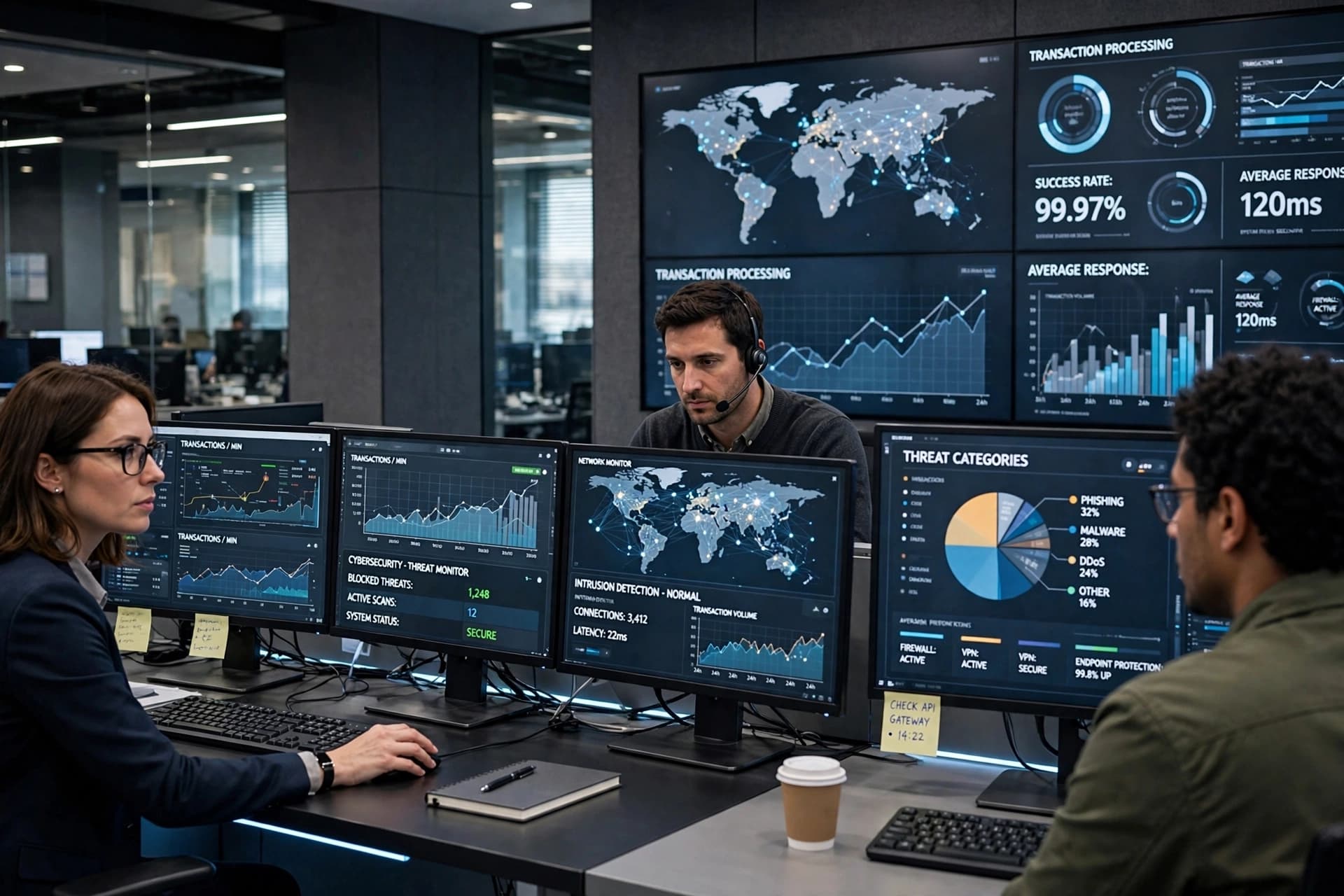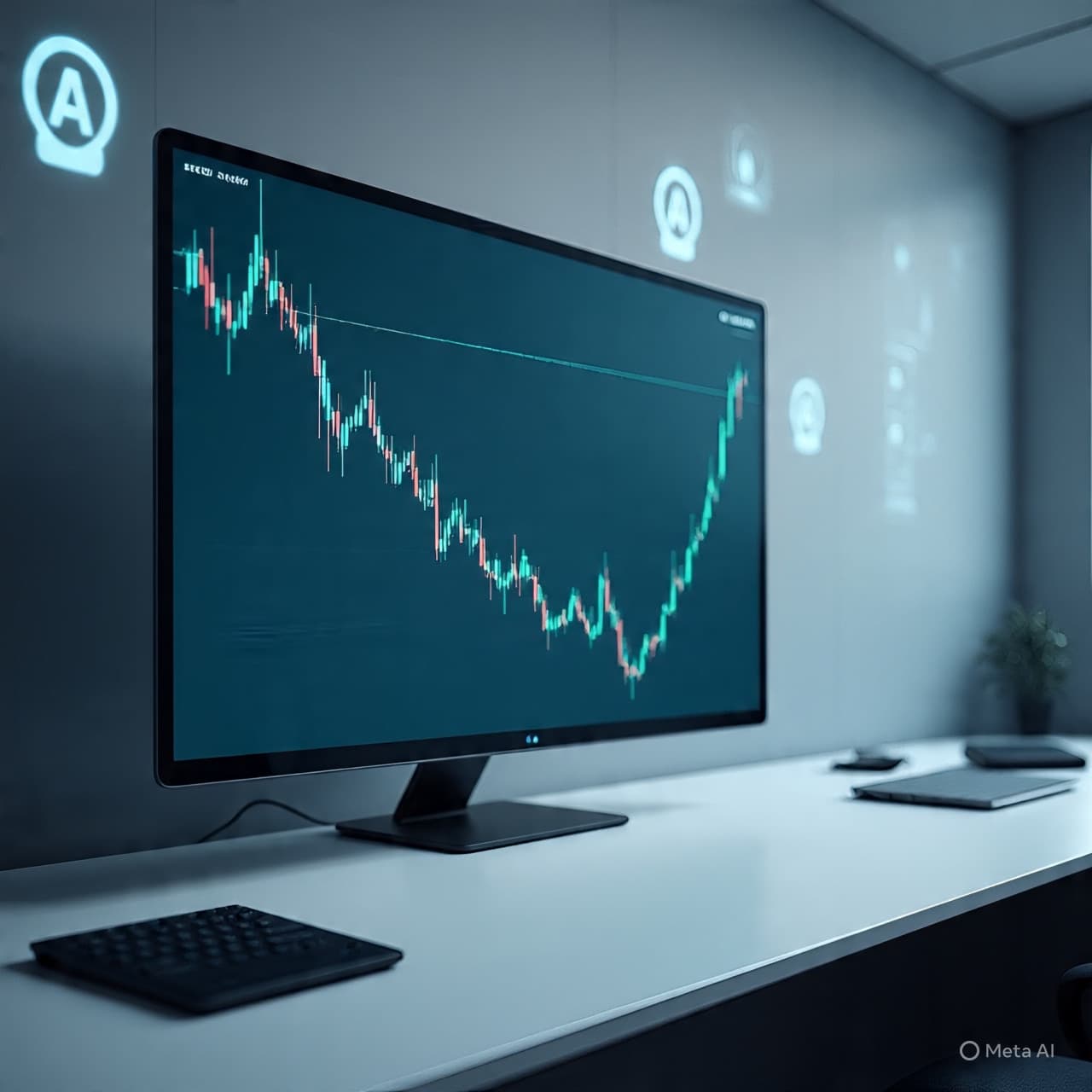
The market has a way of reacting first and thinking later. Like a sudden gust rippling through a calm lake, fear can spread faster than facts, reshaping reflections before the water has time to settle. In recent days, the tremor has moved through AI-linked software stocks, prompting sharp sell-offs and louder questions about whether the promise of artificial intelligence is running ahead of reality.
From the vantage point of Arm, the view looks less dramatic. The chip designer’s chief executive, Rene Haas, has described the recent retreat in AI software shares as a “micro-hysteria,” a phrase that suggests not denial, but proportion. His words point to a familiar pattern in markets: enthusiasm surges, expectations stretch, and a moment of recalibration follows. In that space between hope and hesitation, prices often move more violently than fundamentals.
Arm’s position in the AI ecosystem gives weight to this perspective. The company’s designs sit quietly inside devices and data centers, enabling the computational backbone that modern AI depends on. From that angle, demand has not vanished. Instead, it continues to evolve, shaped by longer timelines and more complex adoption cycles than daily market charts might imply.
The recent sell-off has been driven in part by anxiety that AI software revenues may take longer to mature, or that competition will thin margins before profits fully arrive. These concerns are not without basis. New technologies rarely move in straight lines. They advance in waves, sometimes cresting too high on expectations before retreating into more sustainable forms.
Yet Haas’s comments suggest that what the market is witnessing is less a collapse of confidence and more a momentary tightening of nerves. Investment narratives, especially around transformative technologies, often swing between extremes. In one season, AI is framed as an unstoppable force; in the next, as an overhyped promise overdue for correction. Reality tends to sit quietly between those poles.
Arm’s own outlook continues to reflect steady interest from customers building AI-driven systems, particularly as computing workloads grow more complex and energy efficiency becomes more critical. While software companies wrestle with monetization models, the underlying infrastructure remains in demand, anchoring parts of the AI economy to tangible needs rather than abstract projections.
For investors, the episode serves as a reminder that markets are emotional organisms. They respond not only to earnings and guidance, but to tone, timing, and collective mood. A single phrase, like “micro-hysteria,” can cut through the noise by reframing fear as temporary rather than structural.
As trading continues, the broader picture remains intact. AI investment is adjusting, not evaporating. Companies are reassessing valuations, timelines, and expectations, while executives signal patience over panic. The sell-off, sharp as it appears, may ultimately be remembered less as a turning point and more as a pause — a brief exhale in a longer technological conversation.
AI Image Disclaimer
Visuals are created with AI tools and are not real photographs.
Sources (Source Check)
Financial Times
Reuters
Bloomberg
CNBC
The Wall Street Journal
Published by Banx Network. This article is part of the Banx decentralized media programme, powered by the BXE token on the XRP Ledger.