Key Highlights
- U.S. stock futures indicate steep declines following tariff threats.
- European markets react negatively, reflecting global economic interdependence.
- Proposed tariffs target eight European nations, raising investor concerns.
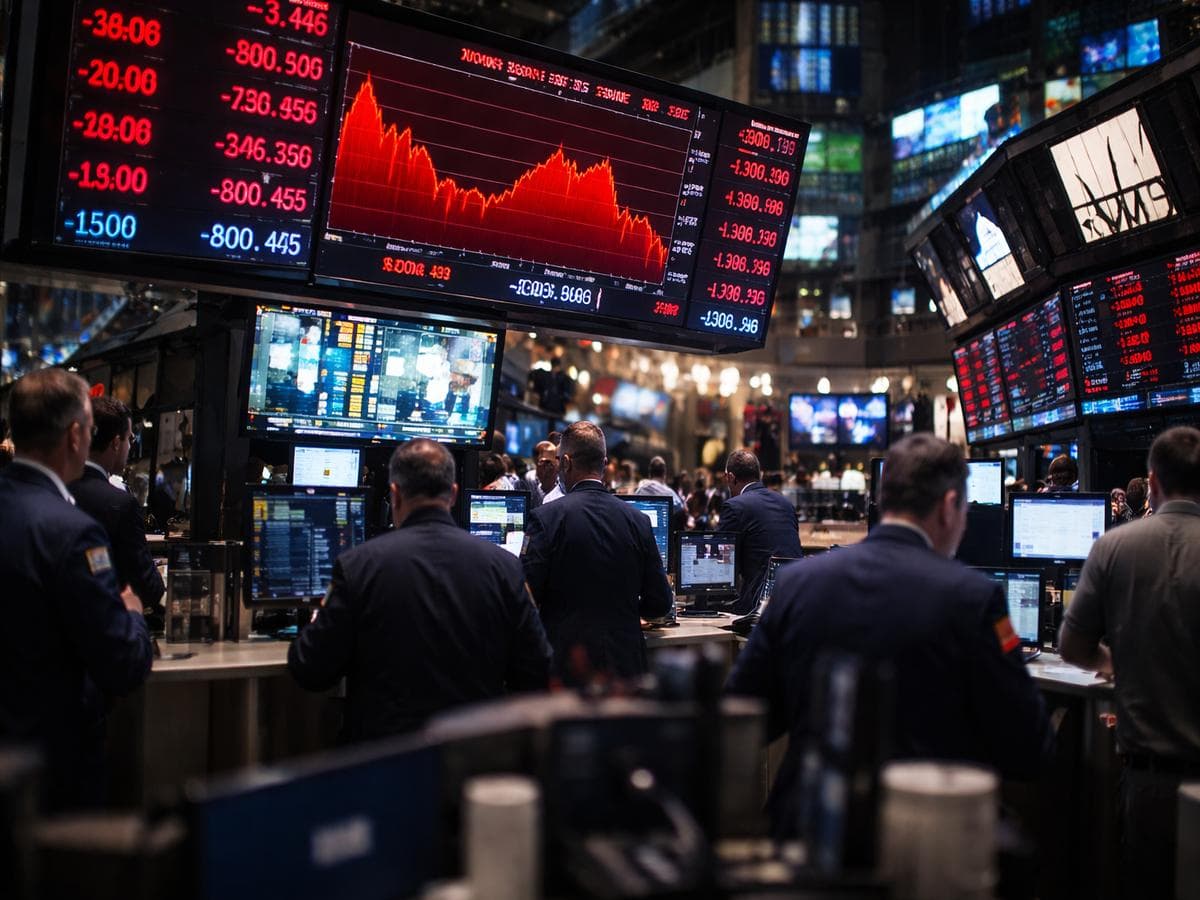
President Trump's recent announcement of new tariff threats tied to Greenland has sent shockwaves through global financial markets, prompting significant declines in stock futures and raising concerns among investors. As traders processed the news, the Dow Jones Industrial Average was poised to drop by over 600 points at the market's opening, with the S&P 500 and Nasdaq also showing notable weakness. This immediate reaction underscores the volatility that can arise from a single policy move, highlighting the interconnected nature of global economies.
Across the Atlantic, European equities mirrored the U.S. market's downturn. The STOXX 600 index fell by approximately 1.2% to 1.3%, while Germany's DAX and France's CAC 40 experienced even steeper declines. The swift market response illustrates how a policy statement from Washington can reverberate across continents, affecting investor sentiment from Copenhagen to Tokyo within hours. The potential for retaliatory measures from affected nations has further fueled anxiety among market participants.
The tariffs, which are aimed at eight European nations, have been framed as leverage in ongoing negotiations regarding Greenland. The proposed 10% tariffs, set to take effect in February, could escalate to 25% by June, raising alarms among economists and investors alike. Industries sensitive to trade, particularly exporters, are facing immediate pressure, while safe-haven assets like gold and silver have seen a surge in demand amid the uncertainty.
Analysts warn that the implications of these tariff threats extend beyond mere numbers. The fragility of global trade relations is underscored by the potential for escalating tensions to depress economic growth, disrupt supply chains, and introduce increased volatility across various asset classes. Institutions like the International Monetary Fund have expressed concerns about the broader economic impact of such geopolitical rhetoric on investor confidence.
For traders and market observers, the unfolding situation serves as a stark reminder that financial markets are not just ledgers of capital but reflections of global confidence. Each announcement regarding tariffs or policy changes can significantly influence risk appetite and reshape market expectations. While immediate attention may focus on the Dow's point losses, the deeper lesson lies in understanding the intricate connections between economies and the pervasive influence of political decisions on financial markets.
As trading sessions commence, market participants brace for turbulence, weighing short-term reactions against long-term perspectives. Investors are likely to keep a close eye on upcoming corporate earnings reports and global policy responses. However, this moment also invites a broader reflection: in an era characterized by instant communication and global trade, even distant policy moves can create ripples that affect the everyday world of stocks, bonds, and investor sentiment.
Published by Banx Network. This article is part of the Banx decentralized media programme, powered by the BXE token on the XRP Ledger.