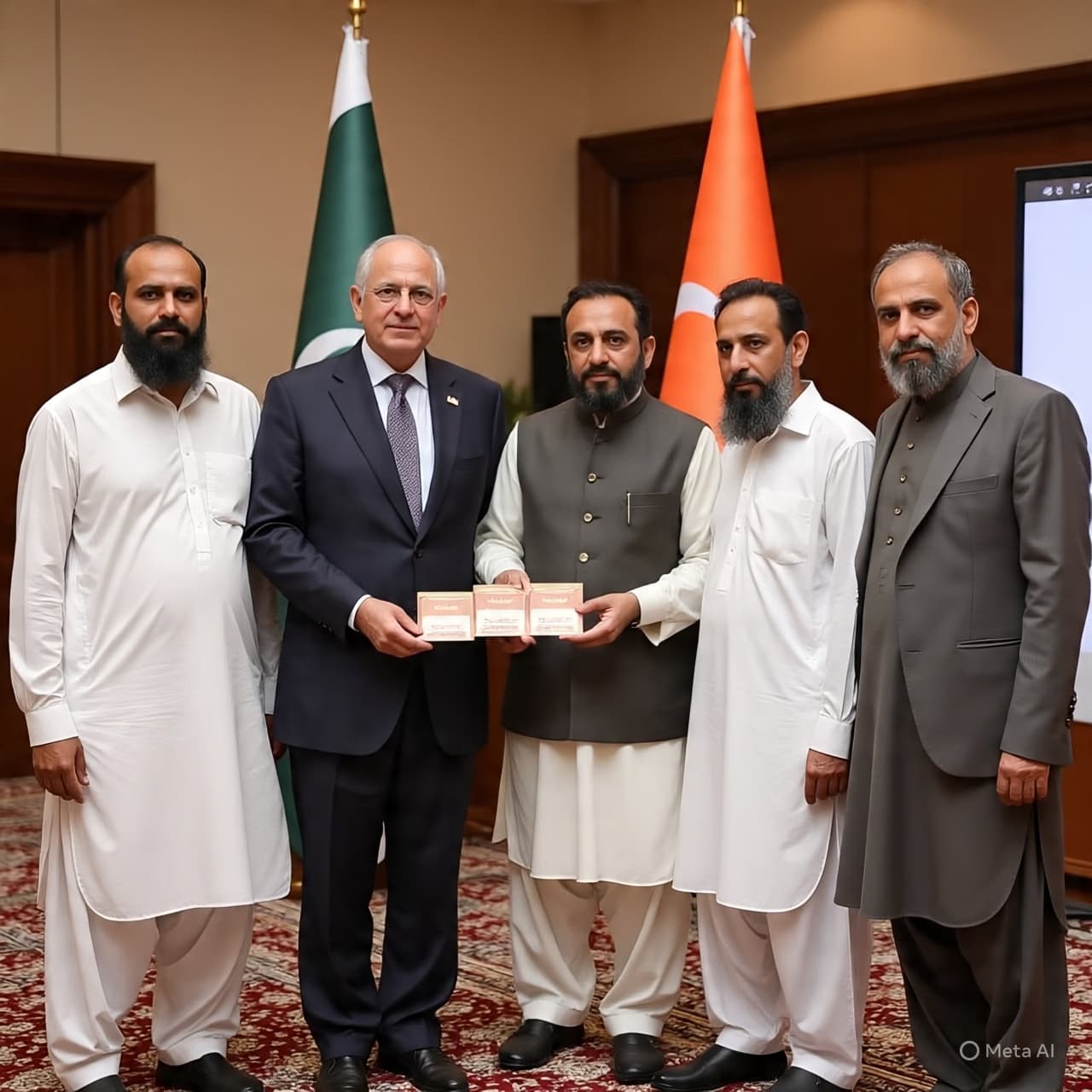
In the golden afternoon light of Lahore’s winter sky, a quiet line of mosque imams stood beneath canopies that fluttered like pages in a well-read book of traditions. This wasn’t the start of a sermon nor the echo of a Friday prayer, but a simple human moment — a chief minister extending a card into the hands of a man who had long guided others in faith and community. Like planting seeds in a field that had nurtured countless souls, Punjab Chief Minister Maryam Nawaz Sharif distributed honorarium cards to mosque imams across the province, each card carrying not merely a stipend but a gesture of recognition. In the gentle murmur of greetings and respectful nods, one could sense a narrative unfolding: that of dignity bestowed upon voices that had long whispered guidance in the ears of their communities.
The ceremony, held amid winter’s soft quiet, was more than an administrative rollout; it was a reflection on how society cherishes its spiritual leaders. With nearly 70,000 mosques represented, the honorarium card — promising a monthly stipend of Rs25,000 — aims to give tangible support to imams who traditionally subsist on modest means despite shouldering community responsibilities. In her address, the chief minister spoke not only of financial assistance, but of the deeper value of mutual respect between government and religious leaders. She described imams as pivotal voices in guiding people through moments of celebration and hardship alike, the custodians of moral compass points in neighborhoods both bustling and quiet. By introducing a transparent mechanism for honorarium disbursement through designated bank cards, she said, the province seeks to honor their work while ensuring simplicity and accountability in support.
Such gestures are not devoid of context. In an era where communities grapple with rapid change and divergent voices, the initiative resonates with historic echoes — the notion that those who nurture spiritual reflection should themselves be supported with care. By aligning policy with reverence for service, the initiative serves as a quiet testament to the intertwined paths of governance and daily life.
Beyond the ceremony’s ceremonial ribbons and applause, imams spoke of relief and gratitude. For many, this monthly support signifies more than financial aid; it represents trust in their role as stable pillars of religious and social guidance. It is a reminder that in the ebb and flow of public life, the people who once stood behind pulpit and prayer mat now receive a form of acknowledgment that echoes beyond numbers and accounts.
As the day’s formalities concluded and the winter light softened into evening over Lahore’s rooftops, the honorarium card initiative stood unveiled — a welfare measure now entering its implementation phase. Officials confirmed that payments will begin by the end of February, directly into bank accounts linked to the honorarium cards, completing a new chapter in how religious leadership is acknowledged within Punjab’s broader social fabric. Through this peaceful and deliberate move, the provincial government continues to seek harmony and inclusion, inviting collaboration and shared responsibility without strident claims or heightened rhetoric. AI Image Disclaimer Illustrations were produced with AI and serve as conceptual depictions.
Sources Dunya News The Nation Samaa TV Minute Mirror Daily Times / Suno News
Published by Banx Network. This article is part of the Banx decentralized media programme, powered by the BXE token on the XRP Ledger.