In the grand theater of Washington D.C., where monuments stand as silent witnesses to history, a new proposal has sparked a lively debate among lawmakers. President Donald Trump’s vision for a triumphal arch in the nation’s capital has encountered a significant hurdle, as senior Republican appropriators express reluctance to fund the project. This resistance is not merely a matter of budgetary constraint but a reflection of deeper philosophical differences about the role of government in commemorating leadership. It is a moment that invites us to consider how we choose to honor our leaders and what stories we wish to tell through stone and steel.
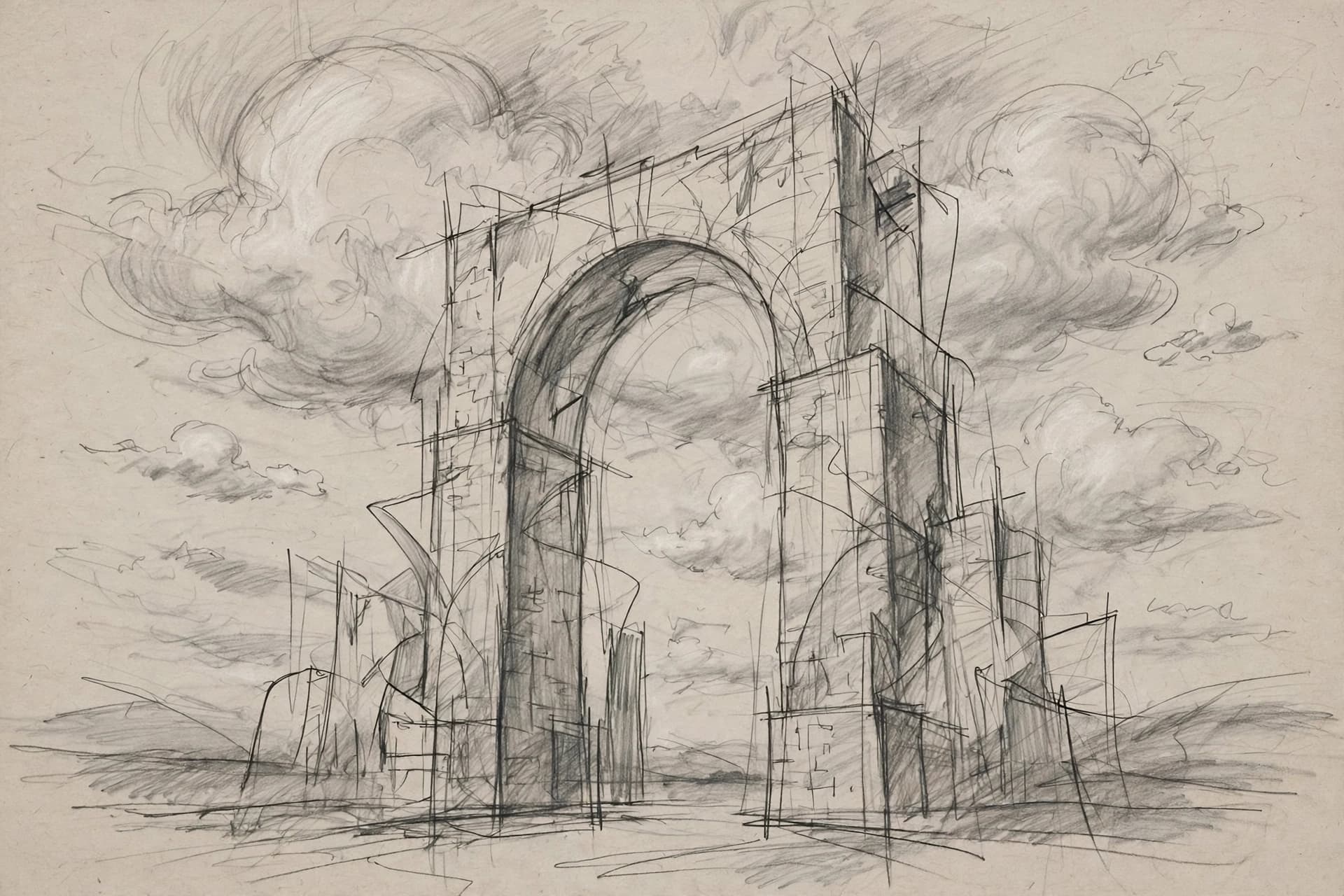
The proposed arch, envisioned as a towering structure near the National Mall, has been described by supporters as a symbol of strength and endurance. However, critics within the same party argue that such a project is unnecessary and potentially divisive. Representative Mike Simpson, a key figure in the House Appropriations Committee, has voiced strong opposition, suggesting that taxpayer funds should be prioritized for more pressing needs. This stance highlights a growing tension between executive ambition and legislative restraint, a dynamic that is central to the American system of checks and balances.
The debate over the arch’s funding has become a focal point in the broader discussion about federal spending. With the national debt continuing to rise, many lawmakers are cautious about approving new construction projects that do not have broad bipartisan support. Simpson’s comments reflect a pragmatic approach to governance, one that prioritizes fiscal responsibility over symbolic gestures. His influence in the appropriations process means that the project faces a steep uphill battle in securing the necessary resources.
Supporters of the arch argue that it would serve as a lasting tribute to the president’s policies and achievements. They point to historical precedents, such as the Washington Monument and the Lincoln Memorial, as examples of how architecture can inspire and unify. However, opponents counter that these earlier monuments were built after extensive public consensus and historical perspective, whereas the current proposal feels rushed and politically motivated. This comparison underscores the importance of time and reflection in creating meaningful national symbols.
The controversy also touches on issues of aesthetic and environmental impact. Critics worry that a massive arch could disrupt the visual harmony of the National Mall, a space designed for openness and contemplation. Environmental groups have raised concerns about the construction process and its effect on nearby parks and wildlife. These practical considerations add another layer of complexity to the debate, forcing lawmakers to weigh artistic vision against ecological stewardship.
Public opinion on the project is mixed, with some viewing it as a bold statement of leadership and others seeing it as an ego-driven extravagance. Polls suggest that while a segment of the population supports the idea, a majority prefer that funds be directed toward infrastructure, education, or healthcare. This divergence of opinion reflects the polarized nature of contemporary politics, where even symbolic projects become battlegrounds for ideological conflict.
As the appropriations committee continues its review, the fate of the arch remains uncertain. The White House has pressed ahead with planning, but without congressional approval, the project cannot move forward. This standoff illustrates the power of the purse, a constitutional tool that allows legislators to check executive authority. It is a reminder that in a democracy, no single individual can impose their will without the consent of the governed and their representatives.
The outcome of this dispute will have implications beyond the arch itself. It may set a precedent for how future presidential legacy projects are funded and evaluated. If the arch is blocked, it could signal a shift toward more modest and collaborative forms of commemoration. Conversely, if it is approved, it may encourage bolder architectural statements in the capital. Either way, the conversation is shaping the future of public space in Washington.
The resistance to funding President Trump’s arch is a testament to the robustness of American democratic institutions. As the debate continues, let us engage in thoughtful dialogue about the values we wish to embody in our national landmarks. In the end, it is through consensus and respect for diverse perspectives that we build a legacy that truly endures.
AI Image Disclaimer: The images accompanying this article are AI-generated illustrations designed to capture the thematic essence of the political debate without depicting real structures.
Sources: Newsweek E&E News Politico Punchbowl News
Published by Banx Network. This article is part of the Banx decentralized media programme, powered by the BXE token on the XRP Ledger.