In the leafy, historic enclave of North Rosedale, where heritage homes stand as testaments to Toronto’s past, a simple structure of red brick has become the unlikely centerpiece of a drama that pits neighbor against neighbor. It is a tale of property lines, heritage permits, and the high stakes of community identity, revealing how even the most tranquil neighborhoods can harbor deep-seated tensions.
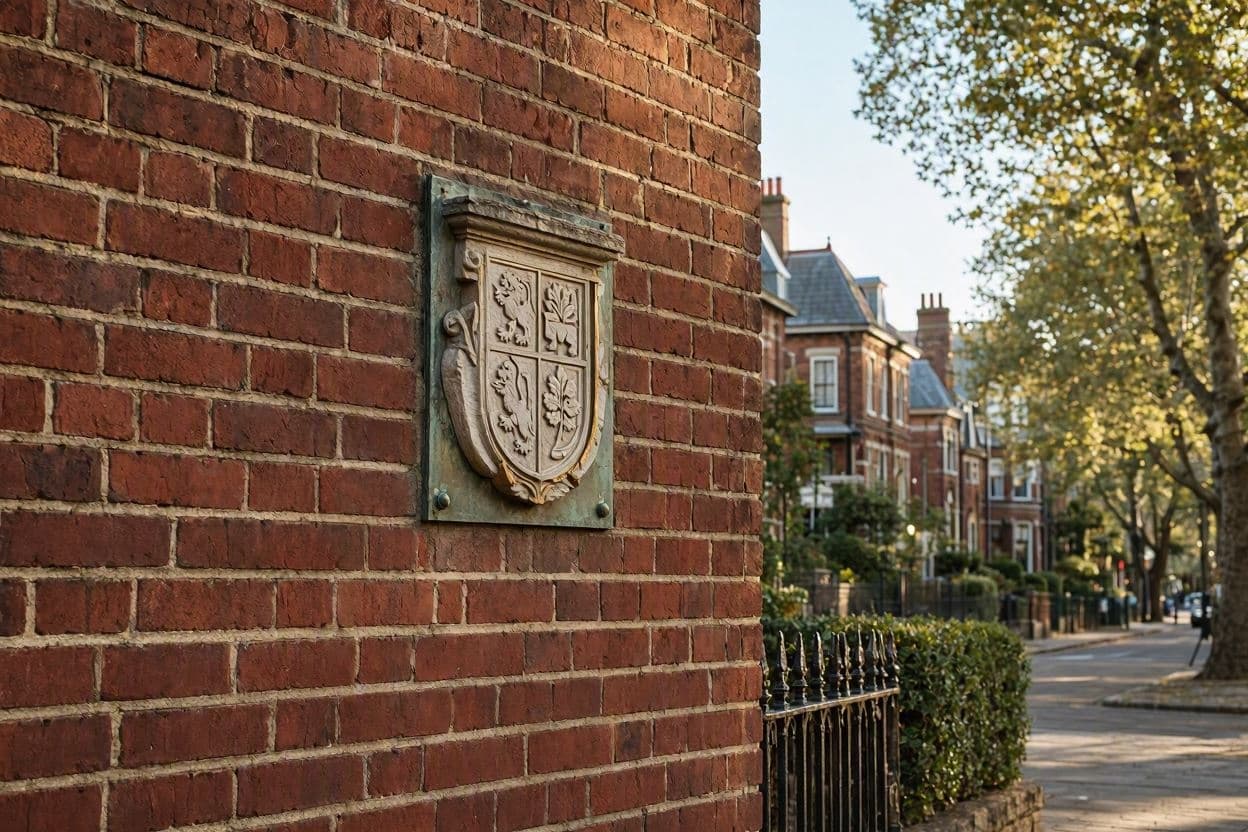
The dispute centers on Michele and Matthew McGrath, owners of a Period Revival-style home who sought to replace their wrought-iron fence with a substantial red brick wall. The couple, who purchased the property for 4.5 million in 2017, argued that the wall was necessary for security and designed to match the character of their 1906 residence. They worked with the city for over a year to secure an encroachment agreement and a landscaping permit, believing they had all the necessary approvals to proceed.
However, the McGraths’ property lies within a heritage conservation district, where the Ontario Heritage Act requires special permits for structural changes. While the couple contended that their wall was merely "landscaping," neighbors and the North Rosedale Residents’ Association argued that a seven-foot-high masonry structure was clearly not. The situation escalated when the city, prompted by complaints from residents and local councillor Dianne Saxe, informed the McGraths that they needed a heritage permit—a requirement they had not initially sought.
Tensions boiled over as the city ordered the couple to halt construction and eventually tear down the wall. The McGraths refused, leading to a series of rejections from city council, which voted 20 to four against granting retroactive approval. Councillors expressed concern that allowing the wall to stand would set a dangerous precedent, emphasizing that power and privilege should not exempt anyone from municipal bylaws. The debate became a flashpoint for broader discussions about heritage preservation and equitable enforcement of rules.
The fallout has been severe, both financially and socially. The McGraths have filed defamation lawsuits totaling at least 1.05 million against their neighbors, the residents’ association, and Councillor Saxe, alleging that they have been "villainized" and subjected to harassment, including egging and rocks thrown through windows. The defendants argue that the lawsuits are an attempt to silence legitimate public discourse and community advocacy, describing the legal action as an abusive use of resources by a wealthy couple.
The legal battle has already claimed casualties within the community. The local heritage committee, once a vibrant group of volunteers dedicated to preserving the neighborhood’s character, has disbanded. Members like Melanie Shishler, who is named in the lawsuit, express regret over their involvement, noting that the threat of litigation has created a "chill" effect on civic participation. The once-cohesive community now finds itself divided by legal filings and mutual suspicion.
As the court cases remain unresolved, the wall itself stands as a physical manifestation of the stalemate. The city is unable to issue further orders while the litigation proceeds, leaving the neighborhood in a state of limbo. The McGraths have proposed a redesigned, lower wall with an iron fence to improve traffic sightlines, but council has yet to approve this compromise, leaving the future of the structure—and the peace of Rosedale—uncertain.
This ongoing saga serves as a stark reminder of the complexities inherent in urban living, where individual property rights often intersect with collective heritage values. As the legal proceedings continue, the community waits for a resolution that might restore not just the streetscape, but the trust that once defined it.
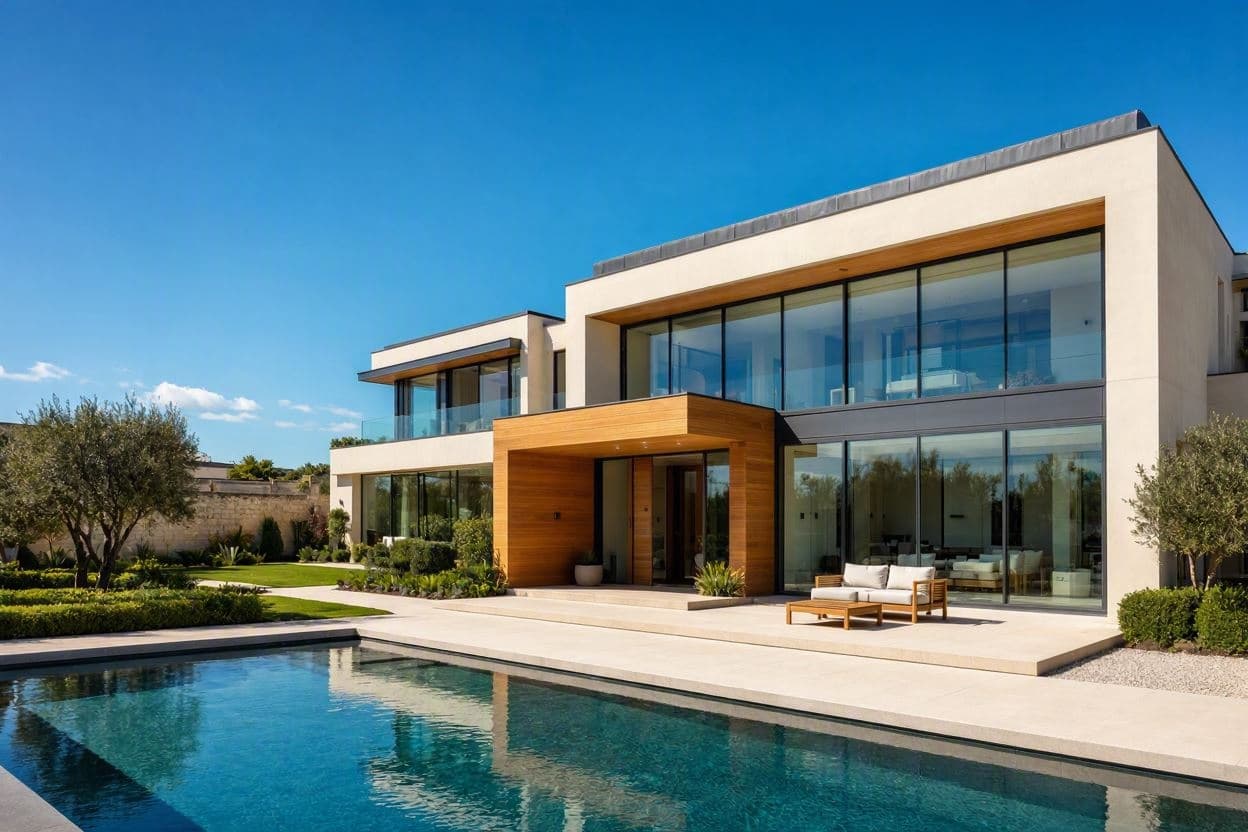
AI Image Disclaimer: The images associated with this article are AI-generated visualizations created to reflect the architectural and social themes of the narrative.
Sources: The Toronto Star, CBC News, Toronto Life
Published by Banx Network. This article is part of the Banx decentralized media programme, powered by the BXE token on the XRP Ledger.