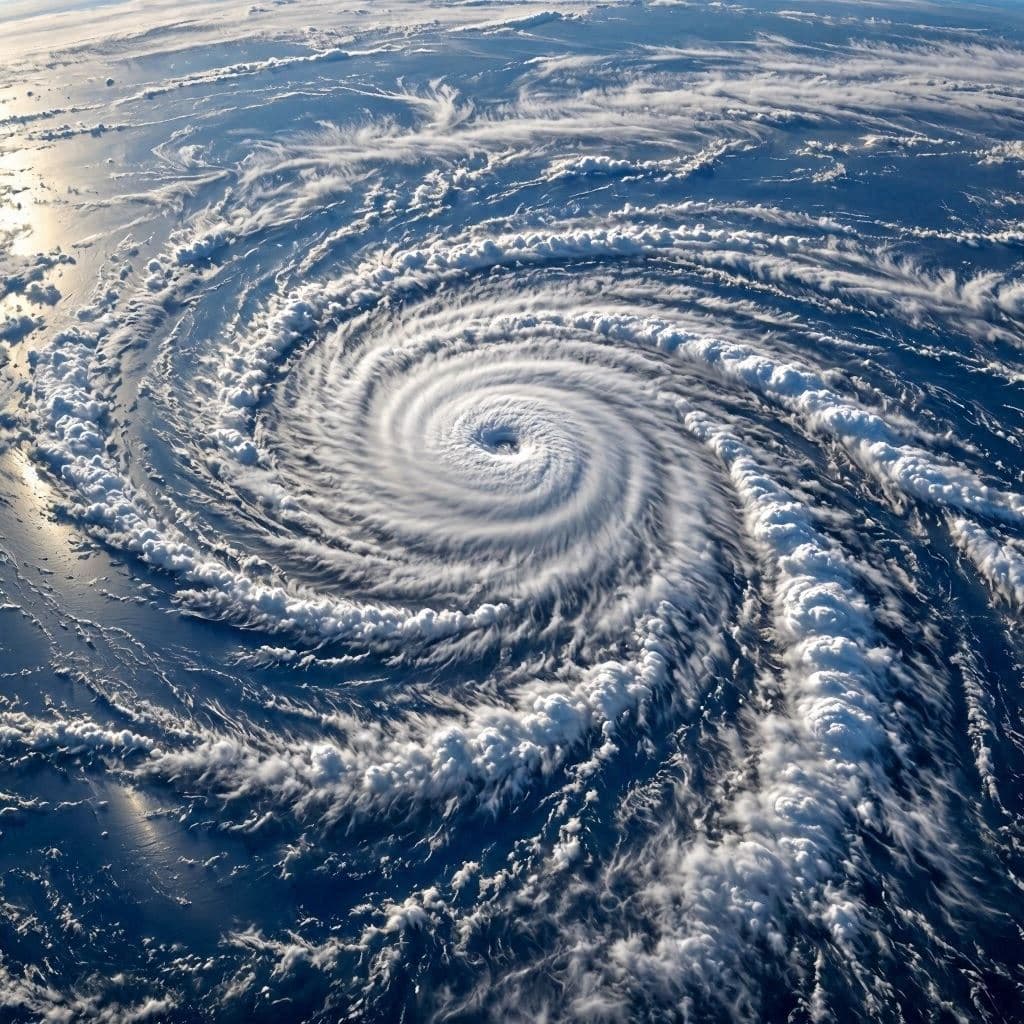
The ocean breathes in cycles, exhaling storms that shape coastlines and test human resilience. In 2026, that breath has grown stronger, with Earth on track to break the all-time record for Category 5 hurricanes. These most intense tropical cyclones, with winds exceeding 157 miles per hour, are becoming more frequent, driven by warming sea surface temperatures. The trend is not just a statistical anomaly but a clear signal of a changing climate, demanding our attention and adaptation.
Meteorologists have observed an unprecedented number of superstorms forming across the globe. Super Typhoon Dolphin, the fifth Category 5 storm of the year, joined others like Erin and Melissa in demonstrating the increasing power of these systems. Each storm brings with it the potential for catastrophic damage, challenging emergency response systems and infrastructure in vulnerable regions. The sheer energy released by these hurricanes is a testament to the heat stored in the oceans.
Scientists attribute this rise in intensity to climate change, which provides more fuel for storm formation. Warmer waters evaporate more readily, creating the moist air that powers hurricanes. As global temperatures continue to rise, the likelihood of extreme weather events increases. This connection is well-established in climate science, yet it remains a difficult reality for communities facing the direct impact.
The human cost of these storms is significant. Displacement, property damage, and loss of life are common consequences, particularly in areas with limited resources for preparation and recovery. Insurance costs are rising, and some regions are becoming uninsurable, forcing difficult decisions about where and how to live. The economic burden is shared globally, affecting supply chains and markets far from the storm’s path.
Governments are responding with updated building codes and improved early warning systems. Investment in resilient infrastructure is becoming a priority, as is the development of community-based disaster preparedness programs. These efforts aim to reduce vulnerability and save lives, acknowledging that while we cannot stop the storms, we can better withstand them. International cooperation is key to sharing knowledge and resources.
Public awareness is growing, with more people understanding the link between their carbon footprint and extreme weather. This awareness is driving changes in behavior and policy, from renewable energy adoption to conservation efforts. The conversation around climate change is shifting from abstract debate to concrete action, fueled by the visible impacts of storms like those seen in 2026.
Looking ahead, the trend suggests that record-breaking seasons may become the norm rather than the exception. Planning for this new reality requires long-term thinking and sustained commitment. It involves not just reacting to disasters but preventing the conditions that make them worse. The window for effective action is narrowing, making every effort count.
The record number of Category 5 hurricanes in 2026 is a stark reminder of the power of nature and the impact of human activity. As we face this new era of intense storms, the focus must remain on resilience, adaptation, and the urgent need to address climate change.
AI Image Disclaimer: Please note that the images in this piece are AI-generated illustrations created to depict the themes of severe weather and climate science.
Sources: Gizmodo, NOAA, Union of Concerned Scientists, Space.com
Published by Banx Network. This article is part of the Banx decentralized media programme, powered by the BXE token on the XRP Ledger.