Above Earth, where the silence of space carries the stories of human discovery, every satellite represents years of planning, engineering, and hope. When a spacecraft begins facing an uncertain future, the challenge is not only technical but also a reminder of how delicate our connection with the universe can be. A recent mission to save a NASA space telescope has encountered a setback, adding another difficult chapter to the effort to preserve a valuable scientific instrument.
The rescue effort was launched after concerns emerged about the telescope’s declining orbit, which could eventually lead to its return toward Earth. Engineers and mission teams have been working to find a way to extend the telescope’s operational life and safely manage its future path.
Spacecraft in low Earth orbit are constantly influenced by forces such as atmospheric drag, even at extremely high altitudes. Over time, these effects can gradually reduce an object’s altitude, requiring careful adjustments to maintain its position. For aging missions, restoring control or changing orbital conditions can become a complex engineering challenge.
NASA engineers have long relied on detailed planning, remote commands, and spacecraft systems designed to operate in harsh environments. However, older satellites may face limitations as components age and unexpected technical problems emerge. Each attempt to intervene requires careful calculations because even small changes can affect the spacecraft’s behavior.
The setback does not erase the importance of the mission or the scientific contributions made by space telescopes over the years. These instruments have expanded humanity’s understanding of Earth, the solar system, and distant regions of the universe, providing observations that continue to support research across many fields.
Efforts to manage the telescope’s situation demonstrate the broader challenges of maintaining a growing population of objects in orbit. As more satellites are launched, space agencies and researchers are increasingly focused on responsible orbital management, including extending spacecraft lifetimes and reducing potential risks.
Behind every space mission is a network of scientists, engineers, and support teams working through uncertainty. The process often involves patience, careful testing, and adaptation when reality differs from original expectations. A setback in space exploration is not always an ending; sometimes it becomes a moment for reassessment and renewed problem-solving.
The attempt to protect the NASA telescope reflects the continuing relationship between human curiosity and technological perseverance. Even when a mission encounters obstacles, the knowledge gained from the effort can contribute to future spacecraft design and space operations.
As engineers continue evaluating the telescope’s condition and possible solutions, the mission remains a reminder that exploration is built not only on successful launches and discoveries but also on the determination to respond when challenges appear. The effort to save the spacecraft represents another quiet chapter in humanity’s ongoing journey beyond Earth.
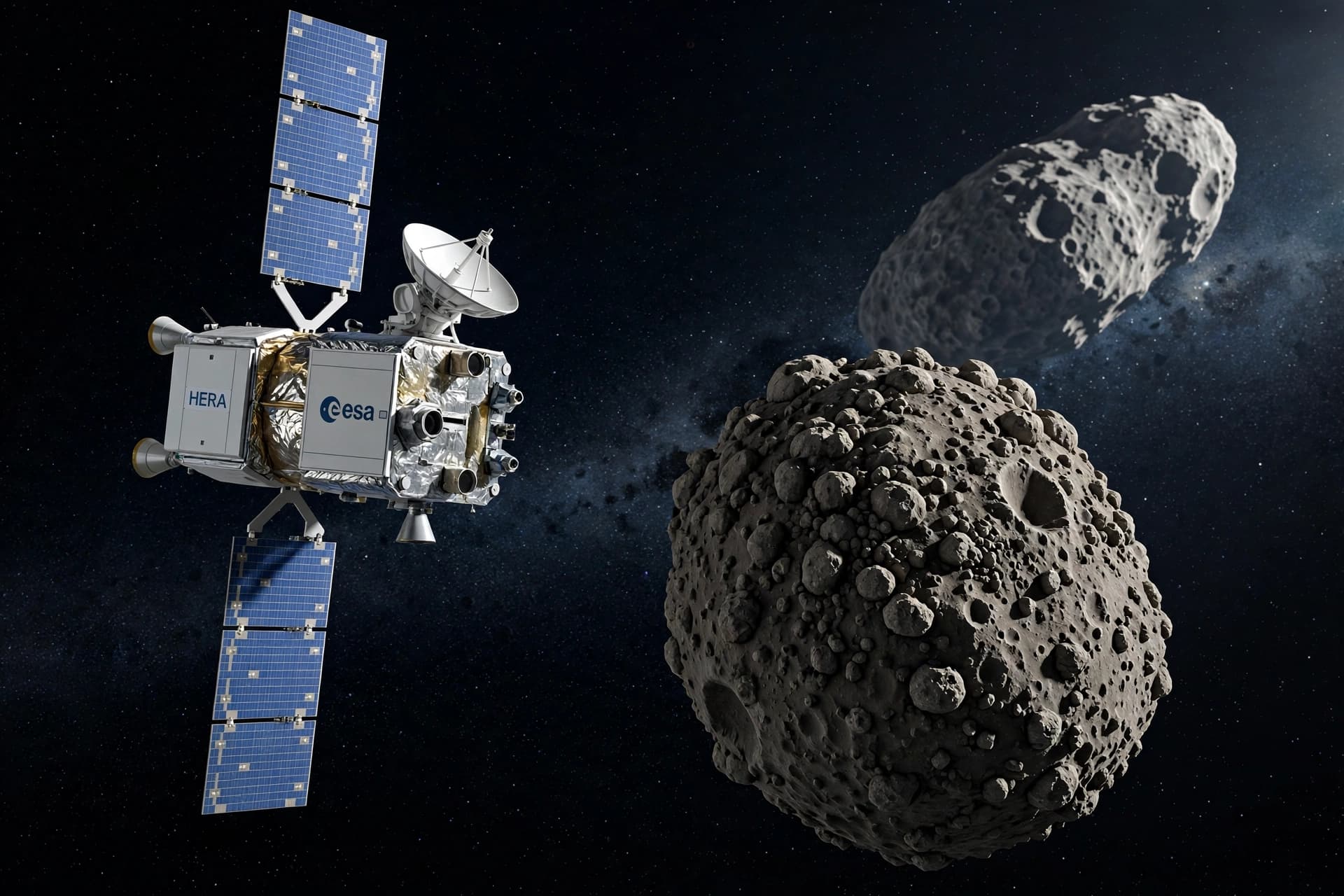
AI Image Disclaimer: The illustration accompanying this article is AI-generated and created as a conceptual visualization of a space telescope rescue mission. It does not represent an actual photograph of the spacecraft.
Sources:
Associated Press (AP) ABC News Phys.org
Published by Banx Network. This article is part of the Banx decentralized media programme, powered by the BXE token on the XRP Ledger.