
Key Highlights
- Recent Sale:Uniqlo's flagship store sold to French investor Remake.
- Market Signal:The acquisition reflects confidence in Glasgow's retail core.
- Investment Trends:Selective retail investment continues in prime city locations.
The economic landscape of cities often reveals itself through subtle transactions rather than grand announcements. In Glasgow, a significant signal of confidence has emerged with the recent sale of Uniqlo's flagship store to French investor Remake. This transaction is not merely a change of ownership; it represents a pivotal moment in the retail market, highlighting the enduring appeal of prime retail locations even amid broader economic uncertainties.
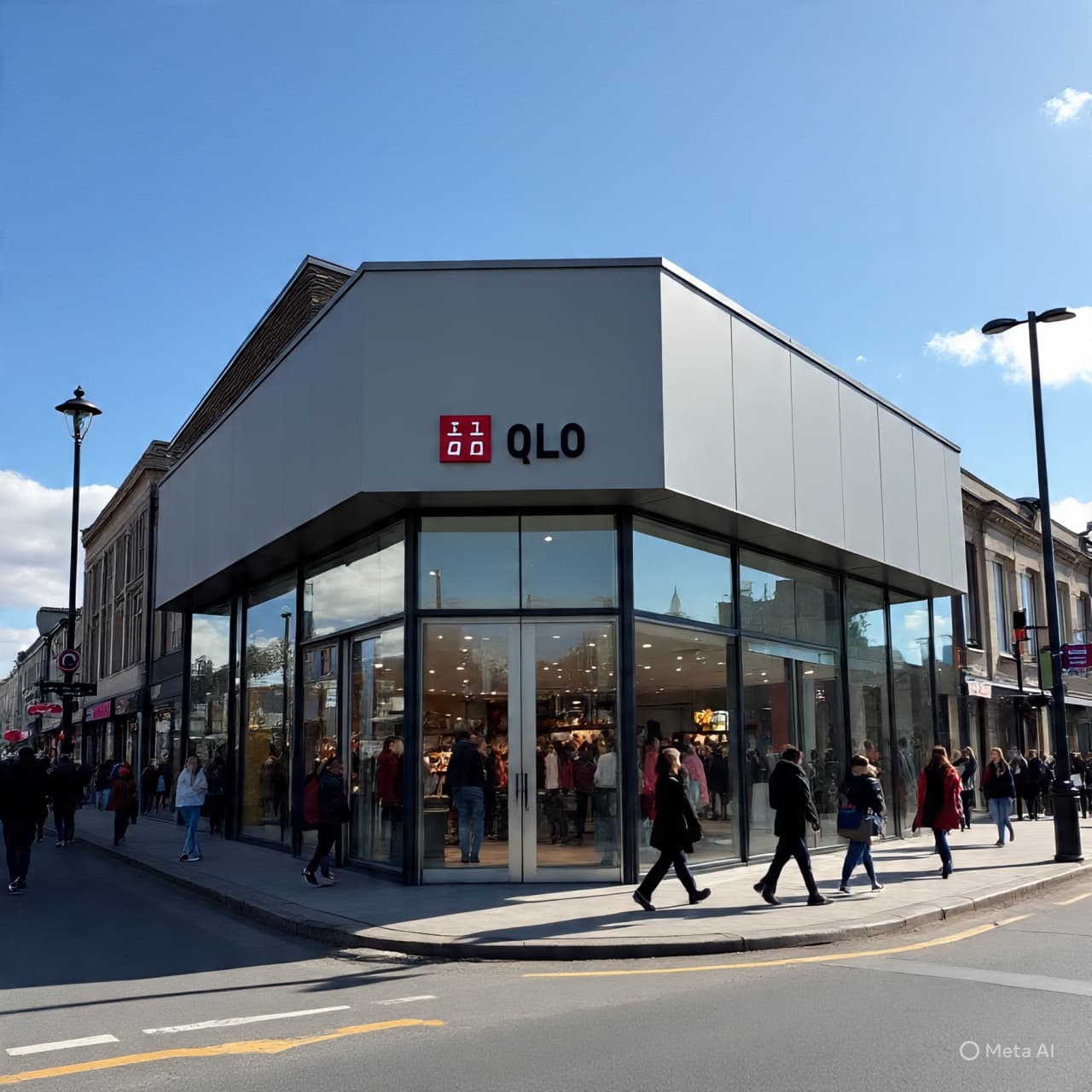
Uniqlo's flagship store, situated on one of Glasgow's busiest streets, has long been a symbol of international retail presence. The sale of such a prominent asset indicates a strong belief in the future of Glasgow's retail core, especially as many investors remain cautious in their approach to urban investments. The acquisition by Remake underscores a strategic focus on resilient assets that can thrive despite evolving consumer behaviors.
Retail investment has become increasingly selective in recent years. While prime assets in strong city centers continue to attract significant attention, secondary locations are facing more rigorous scrutiny. The Uniqlo flagship store fits firmly into the category of prime assets, combining a globally recognized tenant with a location that drives foot traffic and enhances the shopping experience beyond mere transactions.
For Remake, this acquisition aligns with a broader strategy aimed at securing well-located properties that can withstand shifts in the retail landscape. Flagship stores, although fewer in number than in previous decades, still play a crucial role as brand ambassadors and footfall magnets, reinforcing their importance within urban retail ecosystems. The presence of such stores contributes to a vibrant city center, attracting both locals and tourists alike.
Glasgow's city center has actively worked to maintain a balanced ecosystem of retail, leisure, and cultural investments. Transactions like the Uniqlo sale suggest that, despite the structural changes affecting the retail sector, there remains a steadfast confidence in core urban locations. Investors are increasingly prioritizing assets that offer long-term stability over mere expansion for its own sake.
As ownership transitions quietly, the storefront continues its daily rhythm, welcoming passersby and shoppers. However, beneath this familiar facade lies a significant recalibration of capital, reflecting how international investors are redefining opportunities in established city centers. This shift not only impacts the immediate retail environment but also sets the stage for future developments in Glasgow's urban landscape, potentially influencing investment strategies across similar markets.
In conclusion, the sale of Uniqlo's flagship store to Remake serves as a noteworthy indicator of renewed confidence in Glasgow's retail sector. As the city navigates the complexities of modern retail dynamics, such investments may pave the way for a more resilient and vibrant urban core.
Published by Banx Network. This article is part of the Banx decentralized media programme, powered by the BXE token on the XRP Ledger.



