In the hushed expanse of early February light over Caracas, hope seems to unfurl like a thin ribbon across a long-closed gate. For years, the stories of those held for political reasons have simmered in the corners of Venezuelan life — spoken in whispers, prayed over by families, and mourned quietly in corridors outside detention facilities. Now, as winter’s edge recedes and a new law steps into place, those subdued hopes have begun to find a voice.
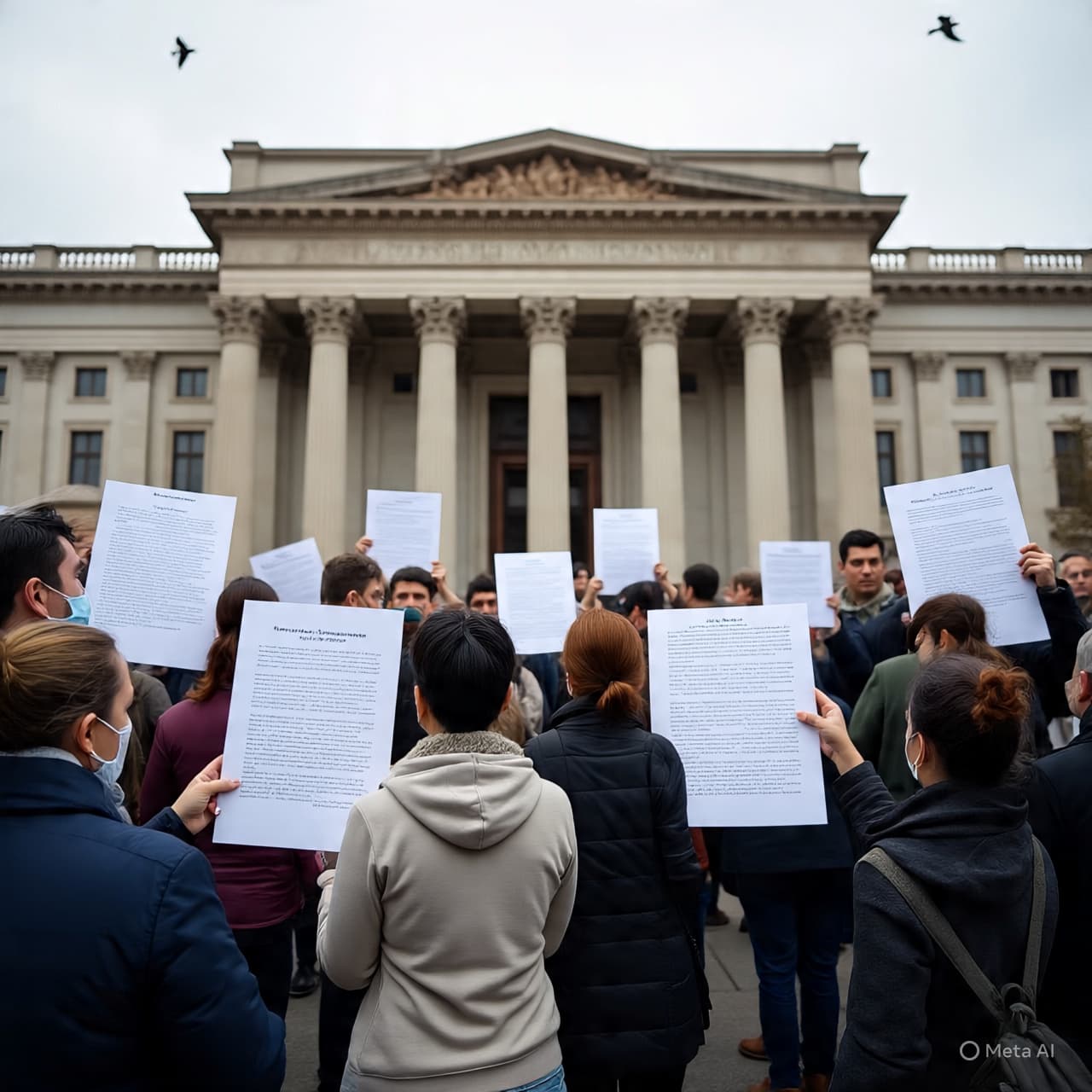
More than 1,500 Venezuelan political prisoners have applied for amnesty under a newly enacted law that took effect just days ago, officials said this week. The measure, approved unanimously by the National Assembly, represents a striking gesture in a country long accused of silencing dissent and denying the existence of political prisoners. National Assembly leader Jorge Rodríguez confirmed that a total of 1,557 applications are being addressed immediately, and that hundreds of detainees have begun to leave behind cell bars under the authority of the amnesty provisions.
The path to this moment, however, is neither simple nor straight. Amnesty is not automatic; each applicant must petition the court overseeing their case, and only then can the process of release be set in motion. This requirement underscores the delicate balance between law and liberty — a tension palpable in the voices of relatives waiting outside detention centers, hopeful yet wary that promises of freedom will be fulfilled.
Those eligible under the law include politicians, activists, human rights defenders, journalists and others deemed by many advocates to have been detained for their political views or actions. So far, dozens of prisoners have already walked free, their first steps out of confinement a testament to resilience and family bonds that have endured behind high walls and heavy gates. Yet rights groups caution that the law’s limitations — including exclusions for those convicted of serious offenses — mean the road to wider political reconciliation remains unfinished.
Central to the debate is the historical backdrop of Venezuela’s political landscape, which has been marked by years of contested elections, protests, and crackdowns on dissenting voices. For decades, authorities consistently rejected the idea of political prisoners, framing those held as criminals rather than targets of political repression. The amnesty law’s recent passage, therefore, is not merely administrative — it signals a shift in language and, perhaps, in political posture.
Outside the detention facilities, families and friends gather with cautious optimism. Some have camped for days, waiting to hear the footsteps of loved ones approaching the gates. In their faces, one sees both a weariness born of long vigil and a lightness stirred by each new petition accepted. For them, the applications are more than documents; they are pleas woven with faith, reminding everyone that behind the numbers are stories of human longing for connection and return.
As these petitions continue to be processed, and as courts begin to deliberate on who may walk free and who must wait longer, Venezuela finds itself at a threshold. The echo of doors opening can already be heard, faint but unmistakable — a sound of possibility in a land long shaped by struggle.
AI Image Disclaimer “Images in this article are AI-generated illustrations, meant for concept only.”
Sources (Media Names) Reuters Associated Press Al Jazeera Bernama-Anadolu Malay Mail
Published by Banx Network. This article is part of the Banx decentralized media programme, powered by the BXE token on the XRP Ledger.