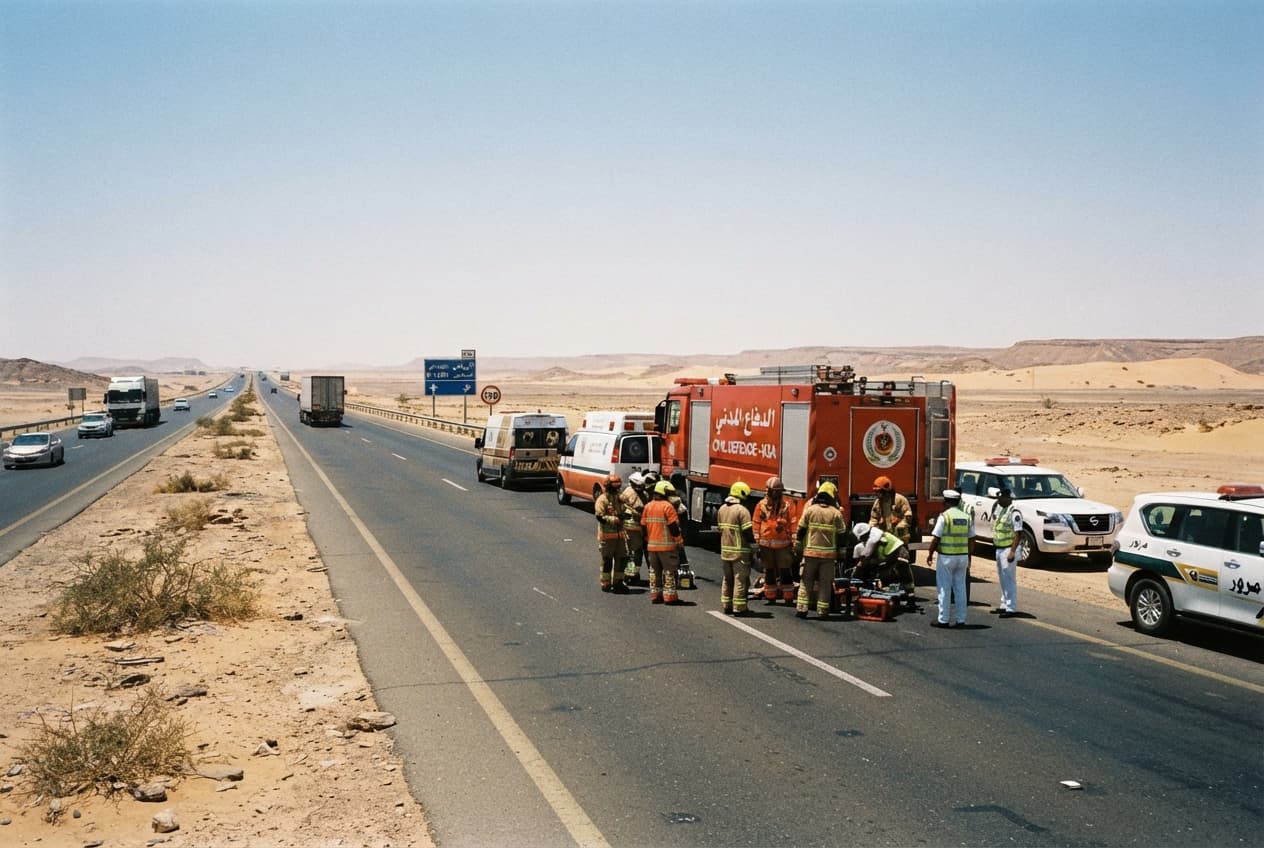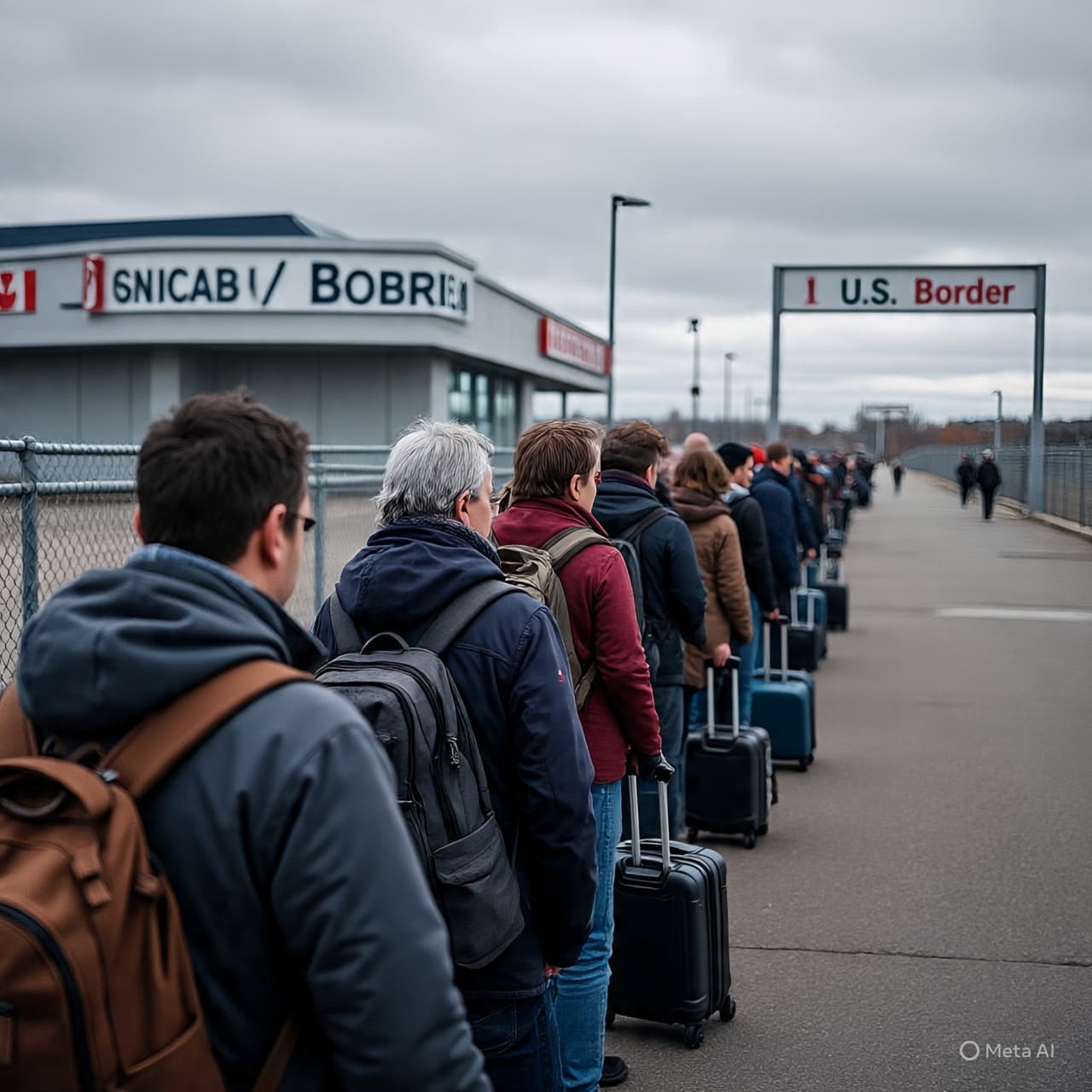
The border stands like a twilight threshold—where hope and uncertainty meet, carried by weary footsteps and whispered claims for refuge. In the hush between nations, many arrive with little more than their fears and aspirations, seeking a safe harbor beyond lines drawn on a map.
In recent months, that threshold has seen a shifting tide. At crossings such as the Saint-Bernard-de-Lacolle Border Crossing between New York and Quebec, the volume of asylum-seekers has surged dramatically. In July 2025 alone, asylum claims at this crossing spiked to more than three thousand — roughly five times the number recorded at the same time last year.
Yet, the swelling current does not always reach safe harbor. Under the Safe Third Country Agreement (STCA) between the two countries, many of those who attempt to claim asylum after entering Canada from the U.S. find themselves sent back. In the first eight months of 2025, more than 3,282 individuals were returned to the United States — a marked increase over the same period in 2024.
For some, return means renewed uncertainty. Lawyers argue that among those turned away may be people technically eligible to seek refuge — such as individuals with family already in Canada, or persons unable to return safely to their home countries.
At border-processing centers, the pressure is visible. Authorities at Lacolle reinstalled waiting and sanitary trailers — a precaution from past crises — though as of now those facilities remain mostly unused. Meanwhile, national asylum-claim numbers across Canada have, paradoxically, declined compared to last year.
Behind these statistics are human stories — of families torn by displacement, of individuals bearing loss, of hopes re-anchored across an uncertain border. For many, the journey toward safety becomes a gauntlet of paperwork, waiting rooms, and vanishing legality. For some, hope may yet find recognition; for others, it may be returned to the very place they sought to escape.
In this liminal space between aspiration and regulation, the reality remains complex: A rising tide of asylum-seekers, a legal structure that often repels them, and a border that stands firm between two nations.
As officials and humanitarian organizations weigh policies and practices, one truth endures — the border does not only separate territory, but lives shaped by need, fear, and resilience.
AI Image Disclaimer: Illustrations were produced with AI tools and serve as conceptual depictions.
Sources (media names): Reuters, The Hub, CityNews/Canadian Press, Global News, Amnesty International (Canada) report.
Published by Banx Network. This article is part of the Banx decentralized media programme, powered by the BXE token on the XRP Ledger.