Morning often begins with small decisions made quietly — a spoon hovering over a bowl, a hand reaching toward a package, a label glanced at and then ignored. Food enters our lives this way, not with ceremony but with habit. Against this everyday backdrop, federal dietary guidance has offered a gentle nudge: eat less “highly processed” food. The phrase drifts into public conversation like a familiar tune whose lyrics remain unclear, inviting curiosity rather than command.
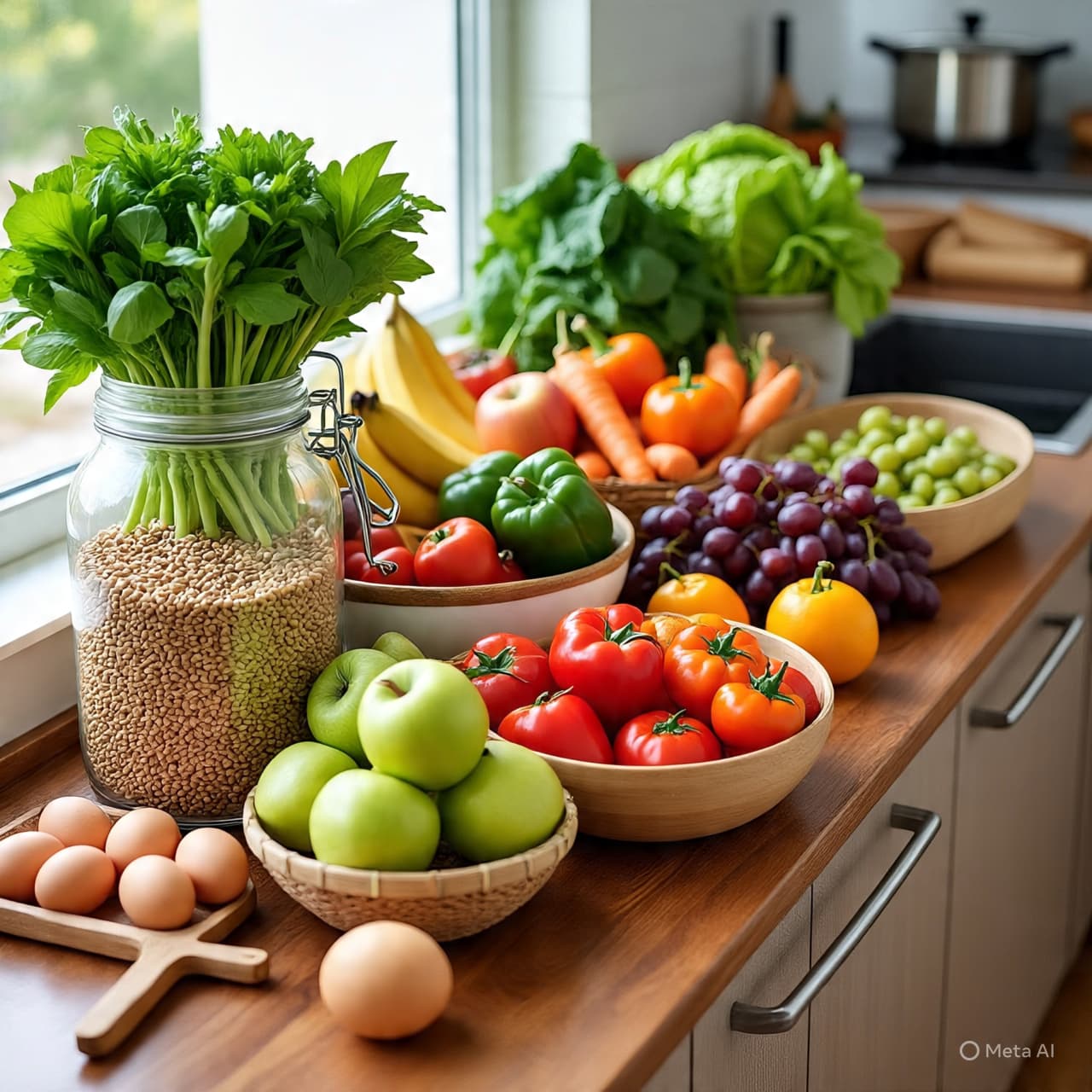
The guidance does not arrive as a scolding voice but as a reminder rooted in long-standing nutrition science. It suggests that foods closer to their natural form — fruits, vegetables, whole grains, beans, eggs, and unseasoned proteins — should occupy more space on the plate. At the same time, it encourages Americans to pull back from foods engineered for convenience, longevity, and intense flavor, often built with refined starches, added sugars, excess sodium, and industrial additives.
Yet the question lingers softly: what exactly makes a food “highly processed”? Processing itself is not new or inherently harmful. Washing, freezing, fermenting, milling, cooking — these are techniques humans have relied on for centuries. Bread, yogurt, tofu, and canned beans all pass through hands and machines before reaching a table. The guidance draws its concern not from processing alone, but from the extent and intent behind it.
Highly processed foods are generally those transformed far beyond their original ingredients, often containing substances not commonly used in home kitchens. These foods are designed to be hyper-palatable, shelf-stable, and ready at a moment’s notice. Chips, sugary cereals, sweetened drinks, packaged desserts, and many frozen or boxed meals often fall into this category. Their convenience is real, but so is the growing evidence linking frequent consumption to higher risks of obesity, diabetes, heart disease, and other chronic conditions.
Still, the guidance stops short of absolutes. It does not demand perfection or exclusion, nor does it frame food as moral terrain. Instead, it emphasizes patterns over purity. Eating fewer highly processed foods does not mean eliminating them entirely, but rather shifting the balance — letting them recede from daily staples to occasional indulgences.
There is also recognition of reality. Time, income, access, and culture shape how people eat. For many households, processed foods offer affordability and reliability. The guidance acknowledges these constraints while encouraging incremental change: choosing plain yogurt over sweetened, whole grains over refined, water over sugary drinks when possible.
In this light, the message becomes less about restriction and more about reconnection. It invites Americans to notice what food looks like when it resembles its source, to read ingredient lists with curiosity, and to rediscover flavors that do not rely on excess enhancement.
As the guidance settles into public life, it does so without sharp edges. It offers direction rather than decree, leaving room for personal circumstance and choice. What it ultimately asks is simple: to be a little more mindful of what fills the plate, and a little more aware of how food fits into long-term health.
AI Image Disclaimer Illustrations were produced with AI and serve as conceptual depictions rather than real photographs.
Sources (media names only):
Associated Press ABC News PBS NewsHour The Washington Post STAT News
Published by Banx Network. This article is part of the Banx decentralized media programme, powered by the BXE token on the XRP Ledger.