
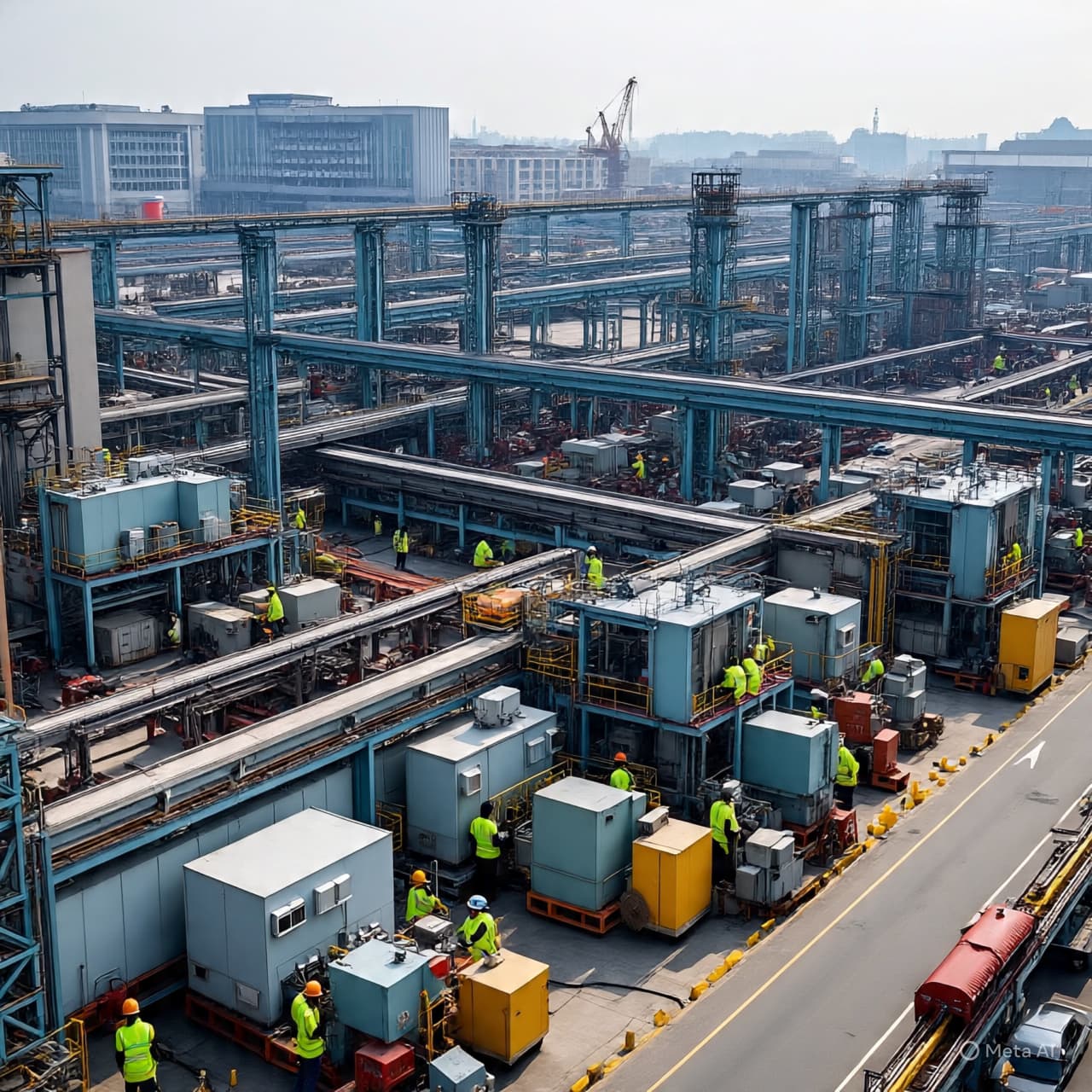
Something unusual is happening in Southeast Asia right now—big companies are quietly shifting their operations to Malaysia, and most people barely notice it.
At first glance, it looks like a simple business decision. Rising costs, better alternatives, nothing surprising. But if you look closer, this could signal something much bigger.
Singapore, long known as a business powerhouse, is becoming increasingly expensive for large-scale manufacturing. Land prices are high, labor costs are rising, and companies are starting to feel the pressure.
This is where Malaysia enters the picture.
With lower operational costs, improving infrastructure, and a strategic location, Malaysia is becoming an attractive option for companies that need efficiency without sacrificing access to global markets.
But here’s the real issue.
This isn’t just about one or two companies making adjustments. It’s about a growing pattern. More businesses are exploring the same move, and once that momentum builds, it tends to accelerate quickly.
Not many people are talking about how this could reshape the region.
If Malaysia continues to attract manufacturing investments, it could gradually position itself as a major industrial hub in Southeast Asia. That means more jobs, more infrastructure, and stronger economic influence.
Key Facts: What happened: Companies shifting production to Malaysia Why it matters: Lower costs and better efficiency What next: Potential rise as manufacturing hub At the same time, this creates pressure for other countries. If businesses keep moving, governments may need to rethink policies, incentives, and long-term strategies.
This could be bigger than it looks.
Is this just a short-term adjustment—or are we watching the start of a major economic shift in Southeast Asia?
AI Image Disclaimer Visuals are created using AI tools and are for illustration purposes only and do not represent real events.
Sources: Reuters The Straits Times Channel News Asia (CNA) Nikkei Asia Bloomberg
Published by Banx Network. This article is part of the Banx decentralized media programme, powered by the BXE token on the XRP Ledger.

.jpg&w=3840&q=75 "India Says First Phase of U.S. Trade Deal Is Nearly Done, Seeks Edge Over Rivals")

