In the quiet corridors of Britain’s economic history, productivity — the measure of how efficiently labour and capital combine to produce output — has been a stubborn puzzle. For years it lagged behind peers, defying repeated vows of revival and confounding economists who likened its elusive rebound to a long-awaited sunrise behind persistent clouds. Now, in early February, that long promise of turnaround is stirring again — not with a dramatic blaze, but with tentative, cautious hints of genuine movement beneath the surface of Britain’s economic landscape.
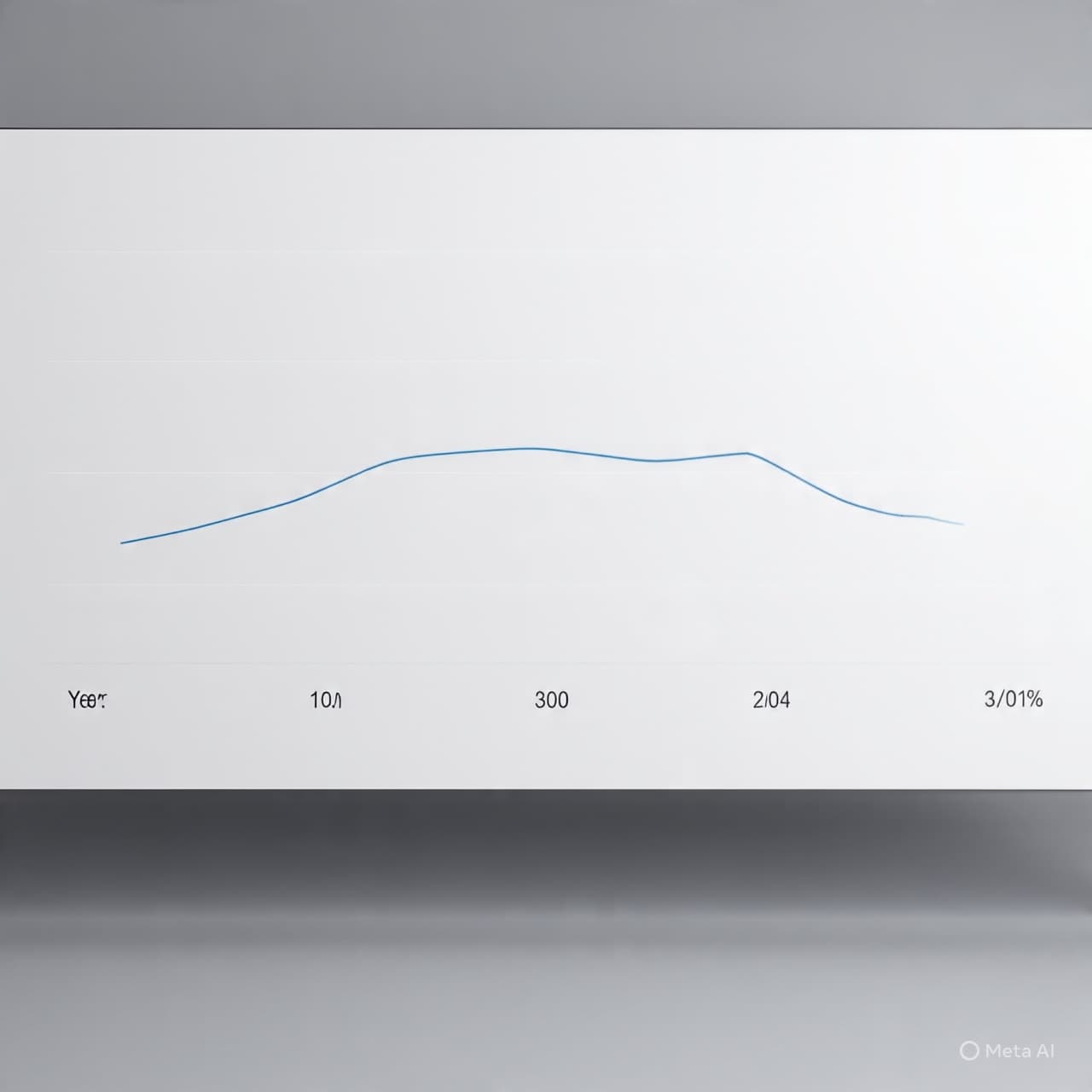
The phrase “long-awaited productivity resurgence” has been a recurring motif in policy discussions, often accompanied by statistical disappointment when gains failed to materialize as expected. A chart famously dubbed the “hedgehog” by analysts — a reference to the Office for Budget Responsibility’s (OBR) repeatedly optimistic forecasts — became a symbol of that decades-long struggle. Yet this week’s reporting suggests that some of those forecasts might finally be catching up with what is unfolding in reality, as firms adopt new technologies and investment slowly accelerates.
Behind this nascent revival are a mix of trends and policy efforts. Alternative measurements of productivity, relying on administrative data rather than conventional surveys, indicate output per hour worked rising at a pace not seen since before the financial crisis. These more granular figures suggest a structural shift may be underway — one that official data will need to catch up with in upcoming reports.
This potential shift does not erase the long history of stagnation. Official estimates show that productivity slowed sharply after the global financial crisis and has remained sluggish for years, a pattern that has weighed on wage growth and living standards. The UK’s output per worker has lagged behind that of many peer economies, leaving policymakers with a familiar challenge: how to turn higher efficiency into broader benefits for workers and households.
To address these structural weaknesses, recent economic strategies — from industrial policy frameworks to debates about technology adoption — have sought to harness emerging forces such as artificial intelligence and digital tools to fuel growth. Analysts argue that greater technology uptake, coupled with stronger worker skills and investment in high-value sectors, can boost competitiveness and provide the engine for sustained productivity gains.
Despite these encouraging signs, substantial hurdles remain. Private investment has not yet returned to the levels seen in more productive economies, and debates continue about how to foster a business environment that supports both innovation and broad-based growth. Think tanks emphasize that reversing decades of under-investment will require sustained commitment from both government and industry, with coordinated policies that ensure productivity gains translate into improved wages and economic resilience.
In a landscape long defined by slow growth and unmet expectations, the current stirrings of productivity recovery are neither swift nor guaranteed. Yet they offer a fresh narrative — one in which persistent efforts to embrace modern technologies, innovate across industries, and close the performance gap with international peers may finally be yielding fruit. Whether this represents the turning point Britain has awaited for so long will become clearer as official data catches up with these emerging signals and as investment and labour markets respond in kind.
Published by Banx Network. This article is part of the Banx decentralized media programme, powered by the BXE token on the XRP Ledger.