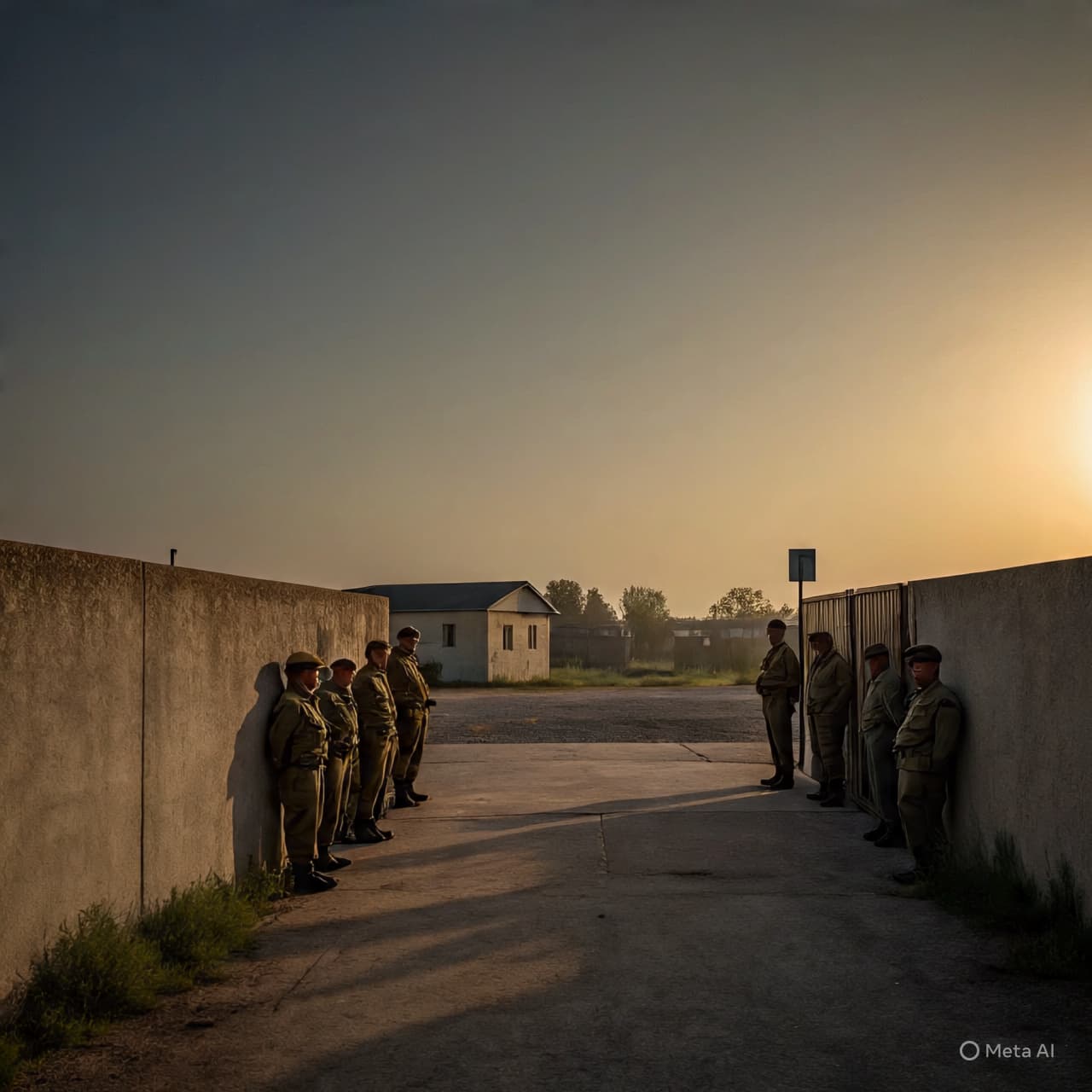
In a region long accustomed to delicate balances and unresolved borders, calm returned quietly this week as Thailand released 18 Cambodian soldiers detained during recent clashes along their shared frontier. The handover, conducted without ceremony or public spectacle, marked a cautious step toward stabilizing a situation that only days earlier risked slipping into deeper confrontation.
The soldiers had been captured during brief but intense exchanges that flared along a disputed stretch of the border, an area shaped by decades of overlapping claims and unresolved historical grievances. While the fighting itself was limited in scale, its symbolism was far greater, reviving memories of past standoffs and reminding both nations how quickly local incidents can carry regional weight.
Thailand’s decision to release the detainees followed days of quiet diplomatic engagement. Officials on both sides emphasized restraint, framing the move not as concession but as a gesture aligned with maintaining calm. The transfer unfolded without public theatrics, underscoring a shared interest in preventing escalation rather than scoring political advantage.
For Cambodia, the return of its soldiers offered reassurance to a domestic audience while reinforcing the value of dialogue over confrontation. For Thailand, it signaled confidence that stability, rather than force, remains the preferred instrument for managing a sensitive frontier. Neither side declared victory; instead, both emphasized continuity and restraint.
Yet beneath the surface, the episode served as a reminder of how fragile the peace can be. Border demarcations remain contested, and patrols continue in areas where lines on maps have long failed to reflect realities on the ground. The release of the soldiers may have eased immediate tensions, but it did not erase the underlying uncertainties that have shaped relations for decades.
In this sense, the moment stands less as a conclusion than as a pause. The ceasefire holds, diplomacy has reclaimed space, and both governments have chosen caution over confrontation. Whether that restraint endures will depend not on gestures alone, but on sustained dialogue and a willingness to prevent small incidents from hardening into larger crises.
Published by Banx Network. This article is part of the Banx decentralized media programme, powered by the BXE token on the XRP Ledger.