

Key Highlights
- Incident:A drone attack in Russia's Bryansk region resulted in civilian casualties.
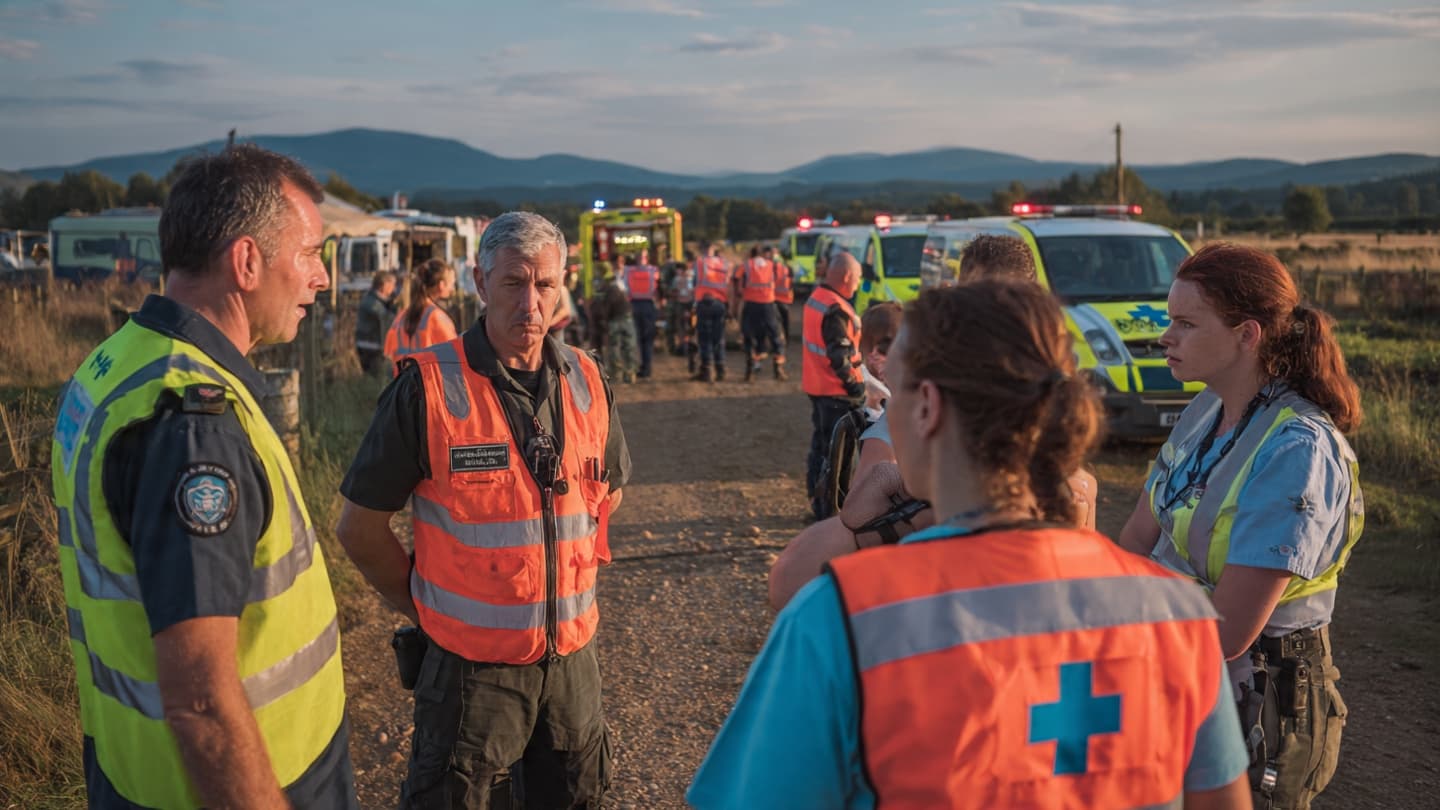
- Response:Emergency personnel were deployed to assess the damage and support affected residents.
- Context:The Bryansk region has been a focal point of security concerns since the onset of the Ukraine conflict.
The Bryansk region of Russia, located near the Ukrainian border, has once again found itself in the spotlight following a recent drone attack that resulted in civilian casualties. According to Russian officials, the drone incursion led to the death of at least one resident, prompting immediate action from emergency services and investigators. This incident underscores the evolving nature of modern warfare and its implications for civilian safety in border regions.
In the wake of the attack, emergency personnel were dispatched to the affected area to provide assistance and assess the damage. Investigators are currently examining the circumstances surrounding the incident, which has drawn attention not only for its immediate impact but also for its broader implications in the context of the ongoing conflict between Russia and Ukraine.
The Bryansk region has been a recurring focal point in discussions about security since the conflict began, frequently appearing in reports related to cross-border activities and military operations. The use of drones in warfare has become increasingly prevalent, offering military forces strategic advantages while simultaneously raising new security concerns for civilian populations. Drones can operate at significant distances and conduct missions without direct human involvement, which complicates traditional military planning and expands the range of potential targets.
For military organizations, drones provide a level of flexibility that can be crucial in modern combat scenarios. However, for residents living in proximity to conflict zones, the increasing reliance on drone technology introduces a new layer of vulnerability. The Bryansk region's geographical position places it at the forefront of these security challenges, as authorities work to bolster defenses around critical infrastructure and populated areas.
In response to the rising threats, Russian officials have intensified efforts to enhance air defense systems, surveillance networks, and emergency response capabilities. These measures are essential components of regional security planning, aimed at protecting civilians from the dangers posed by aerial attacks.
International observers have noted that incidents involving civilian casualties often attract significant attention due to their humanitarian implications. Such events frequently become part of broader discussions regarding conflict management and the protection of noncombatants. The Bryansk drone attack serves as a stark reminder of how the consequences of warfare can extend beyond established front lines, affecting communities far removed from direct combat.
As investigations into the drone attack continue, officials remain focused on assessing the impact on affected communities and providing necessary support. The incident highlights the urgent need for comprehensive strategies to address the complexities of modern warfare, particularly in regions where civilian lives are at stake. The ongoing conflict in Ukraine has transformed the landscape of warfare, making it imperative for governments and military organizations to adapt to new realities while prioritizing the safety of civilians.
Published by Banx Network. This article is part of the Banx decentralized media programme, powered by the BXE token on the XRP Ledger.




