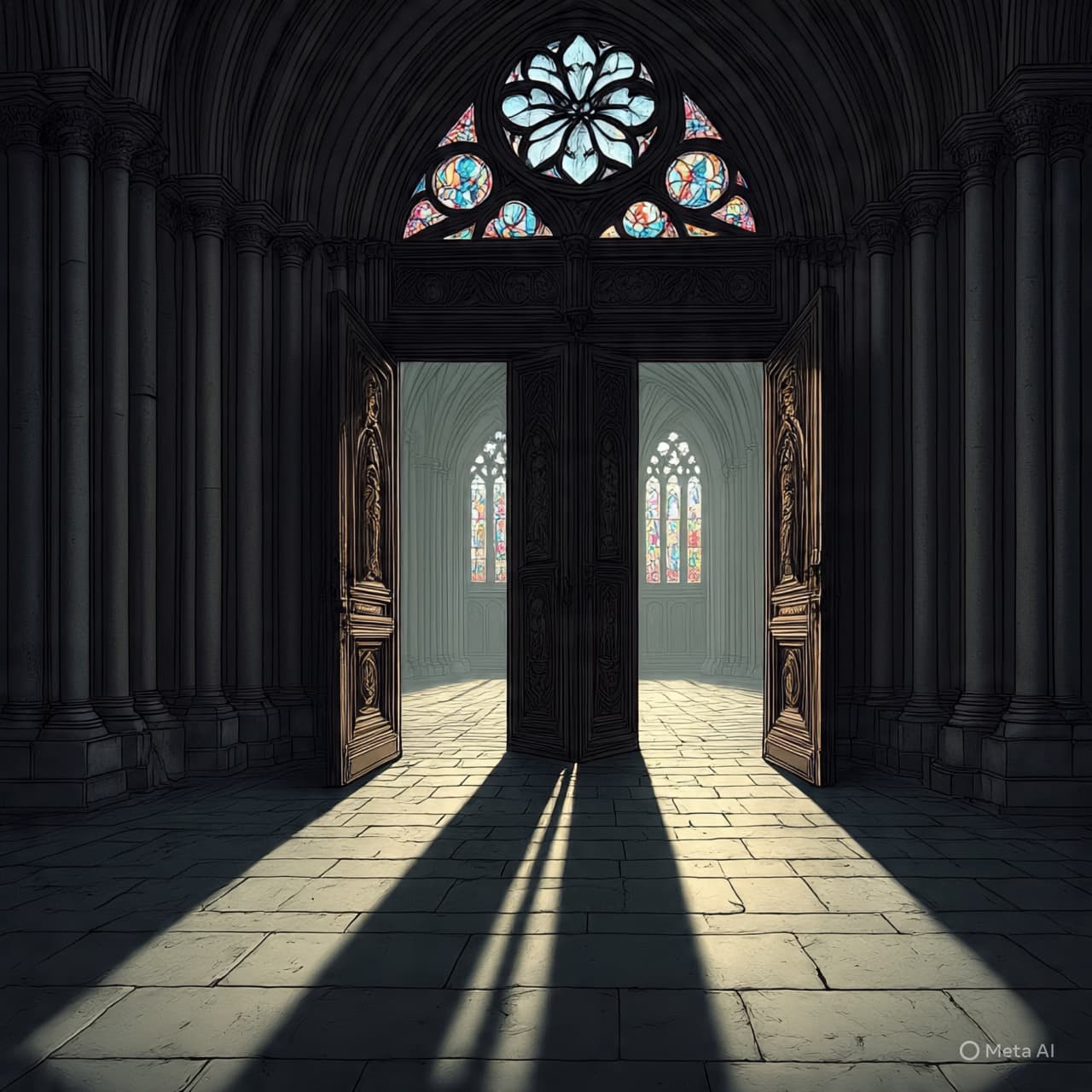
In the hush of a Vatican chamber, a decision once again affirmed what many hoped would change. A commission, convened to examine the possibility of women serving as deacons, has voted against it — closing the door on calls for expanded ecclesiastical roles for women within the Church hierarchy. The verdict feels less like judgement than reaffirmation of a tradition that refuses reinterpretation.
For countless faithful, the result is a bitter reminder: roles defined centuries ago remain frozen in time. The deaconate — once a rank of service, spiritual care, and connection with the laity — remains reserved for men. Women, regardless of faith, devotion, or capability, are left outside a door shuttered by doctrine and precedent.
The vote speaks not only to theology, but to identity, expectation, and power. The Church, in choosing preservation over reform, has prioritized certainty over evolution. In doing so, it delivers a message that tradition outweighs transformation — that historical continuity matters more than responding to contemporary calls for inclusion and equality.
Yet among those who help carry the weight of faith there may linger quiet disappointment, even sorrow. For some, the opportunity to serve, to preach, to guide — even at the lowest rung of clerical order — was never about glory or control. It was about presence, compassion, and a chance to live faith in a public, recognized form. With the vote, that chance dissolves again.
The decision will reverberate far beyond Vatican walls. It will shape conversations on gender, power, service, and faith in communities around the world. Some parish halls might grow quieter; some voices may feel they have lost a door. And for many, the Church remains a sanctuary — but one with boundaries still drawn deep in tradition.
Published by Banx Network. This article is part of the Banx decentralized media programme, powered by the BXE token on the XRP Ledger.