
Key Highlights
- Iran has submitted a new peace proposal to the U.S. aimed at reducing tensions.
- The proposal includes confidence-building measures and discussions on sanctions relief.
- Diplomatic observers note the importance of this initiative amid regional instability.
Iran has reportedly submitted a new peace proposal to the United States, marking a significant moment in the ongoing tensions surrounding regional security and nuclear-related disputes. This proposal, which aims to ease hostilities and reopen diplomatic channels, comes at a time when both nations are under pressure to avoid further escalation in the Middle East.
According to officials familiar with the discussions, the proposal outlines several confidence-building measures designed to mitigate the risk of military confrontation. Key elements include potential sanctions relief, limitations on nuclear activities, and mechanisms for international monitoring. Iranian representatives have emphasized the importance of regional stability, highlighting the need to prevent broader military conflicts that could destabilize the area.
While specific details of the proposal remain scarce, diplomatic observers suggest that it is intended to restart negotiations that have faced numerous interruptions in recent years. Previous agreements between Tehran and world powers have encountered significant setbacks due to political shifts, disputes over sanctions, and compliance issues. The current proposal could represent a pivotal opportunity for both sides to re-engage in meaningful dialogue.
Officials in Washington have yet to publicly endorse the proposal, but sources close to the discussions indicate that communication channels remain open through intermediaries. International negotiators from Europe and regional actors are closely monitoring the situation, recognizing the potential implications for global security and economic conditions.
The renewed diplomatic effort comes amid heightened uncertainty in the region, with several governments urging restraint following recent military exchanges and political tensions. Analysts note that both Tehran and Washington are under pressure to avoid further instability, which could have far-reaching consequences for global markets and energy supplies.
Energy markets are particularly sensitive to developments involving Iran, as tensions in the region often impact oil supply routes and trade dynamics. Diplomatic breakthroughs, even if partial, could help alleviate some of the uncertainty currently affecting global markets. The international community is watching closely, as any progress in negotiations could signal a shift in the geopolitical landscape.
Despite the longstanding distrust between the U.S. and Iran, moments of negotiation have periodically emerged during critical periods in the past. The success of the current proposal in leading to substantive talks will likely depend on political calculations in both capitals and the willingness to rebuild areas of mutual confidence. As the situation evolves, the potential for renewed dialogue remains a hopeful prospect for many observers.
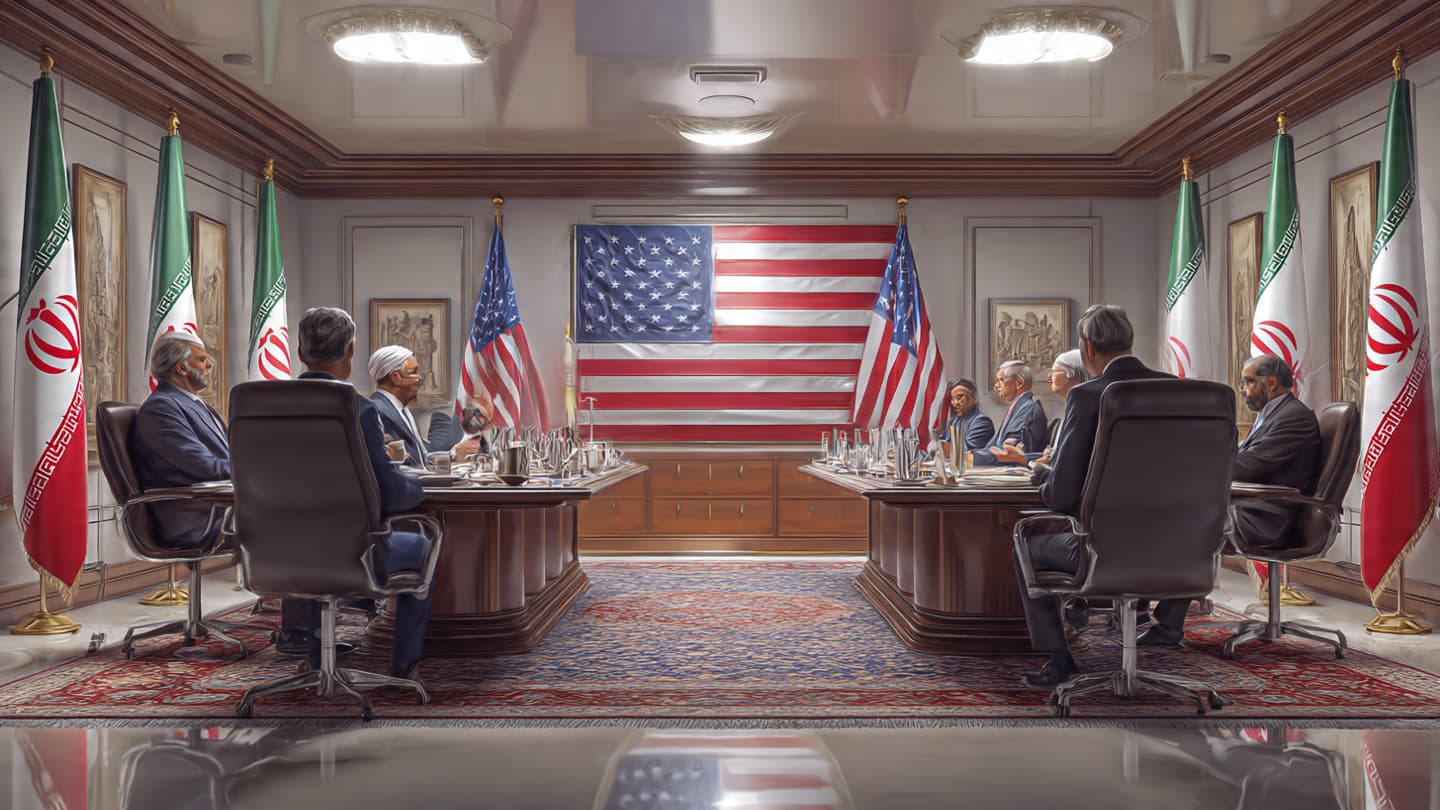
The visuals accompanying this article are AI-generated illustrations designed to depict diplomatic discussions and geopolitical settings.
Published by Banx Network. This article is part of the Banx decentralized media programme, powered by the BXE token on the XRP Ledger.



