

Key Highlights
- Recent ceasefire:A partial ceasefire has been announced between Israel and Hezbollah.
- Diplomatic efforts:Increased international diplomatic efforts aimed at reducing tensions.
- Community impact:Residents near the border regions face disruptions but may find temporary relief.
The recent announcement of a partial ceasefire between Israel and Hezbollah marks a significant moment in a region long characterized by conflict and instability. This agreement, while not a comprehensive peace deal, aims to reduce hostilities in specific areas, providing a brief respite for communities affected by ongoing tensions. The ceasefire comes after a period of heightened cross-border exchanges and growing international concern about the potential for a broader escalation that could destabilize the region further.
Diplomatic efforts have intensified in recent weeks, with regional leaders and foreign governments working diligently to prevent further violence. The arrangement is seen as a limited measure designed to lower immediate risks and create conditions conducive to further dialogue. Observers note that such ceasefires often serve as confidence-building steps, allowing for the possibility of more comprehensive negotiations in the future.
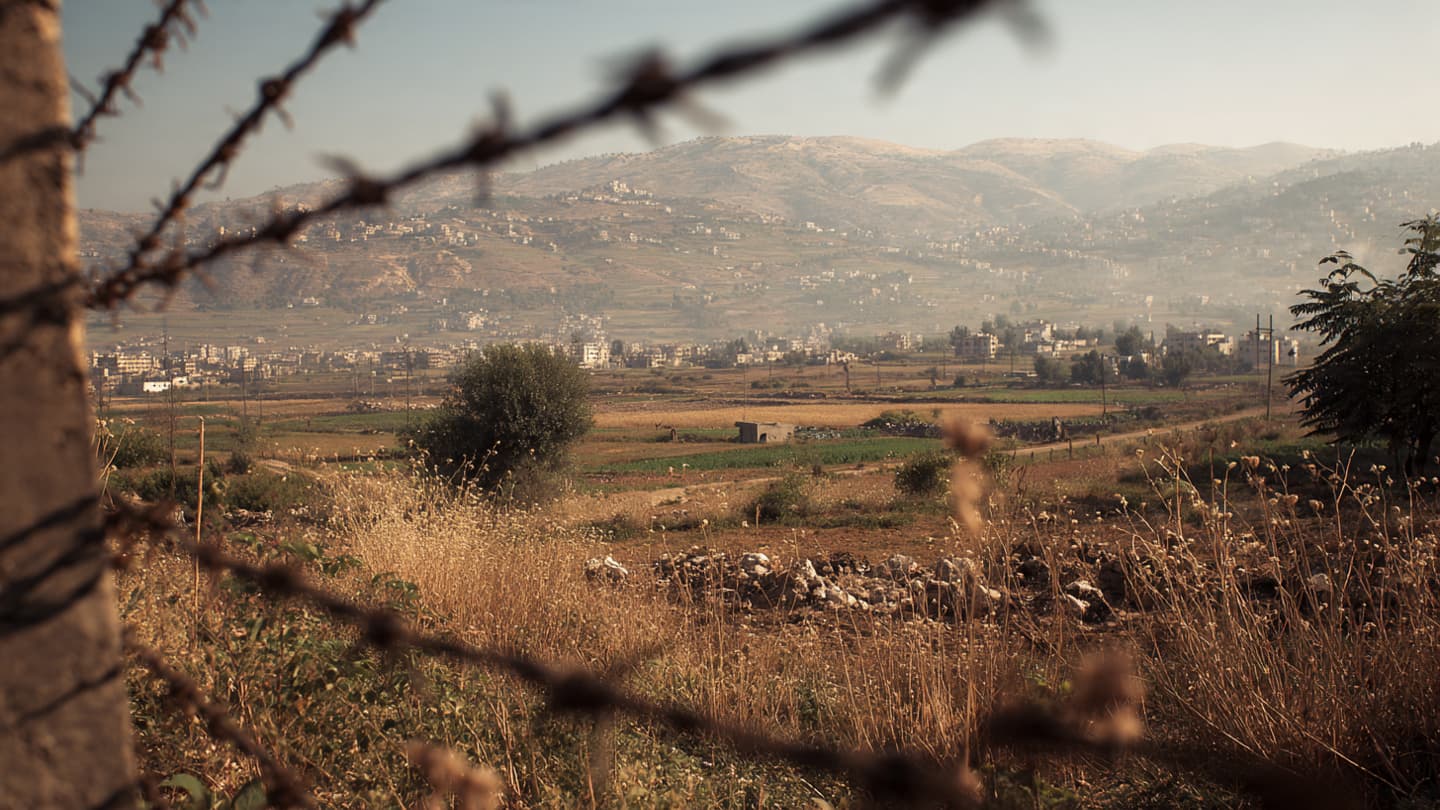
For communities living near the border, the consequences of instability have been profound. Many residents have faced significant disruptions to their daily lives, including displacement, school closures, and economic uncertainty. The announcement of a ceasefire, even if temporary, may provide much-needed relief for these populations, allowing them to regain a sense of normalcy amidst the chaos.
International organizations have urged all parties involved to respect the terms of the ceasefire. Humanitarian agencies are closely monitoring the situation on the ground, assessing the needs of civilians impacted by the recent developments. Ensuring access to vulnerable communities remains a priority for these organizations, as they work to provide support and assistance where it is most needed.
Despite the hopeful news of a ceasefire, regional analysts caution that the underlying political and security challenges remain unresolved. The history of conflict between Israel and Hezbollah spans decades, involving multiple layers of regional and international interests. As such, achieving long-term stability will likely require sustained diplomatic engagement and a commitment to addressing the root causes of the conflict.
Financial markets and investors are also closely watching the developments in the region. Periods of conflict can significantly influence trade, tourism, and overall economic confidence across the Middle East. A reduction in tensions may contribute to a more predictable environment for businesses and communities alike, fostering economic recovery and growth.
Governments across the Middle East have generally welcomed the announcement of the ceasefire, viewing it as a crucial step toward preventing further escalation. Many leaders continue to advocate for diplomatic channels as the most effective means of achieving lasting security and regional cooperation.
While uncertainties remain, the partial ceasefire represents an important pause in a challenging period for the region. Its durability will depend on continued restraint and dialogue among the parties involved. For many residents, even a temporary reduction in hostilities offers a meaningful opportunity for stability and recovery, allowing them to hope for a more peaceful future.
Published by Banx Network. This article is part of the Banx decentralized media programme, powered by the BXE token on the XRP Ledger.




