Some of the most important parts of space exploration are rarely visible to the public. While rockets and spacecraft often capture attention, vast communication systems quietly connect missions across immense distances. NASA's Deep Space Network is one such system, serving as a bridge between Earth and spacecraft exploring the solar system. Recent assessments indicate that despite facing significant strain, the network has performed effectively in preparation for the Artemis II mission.
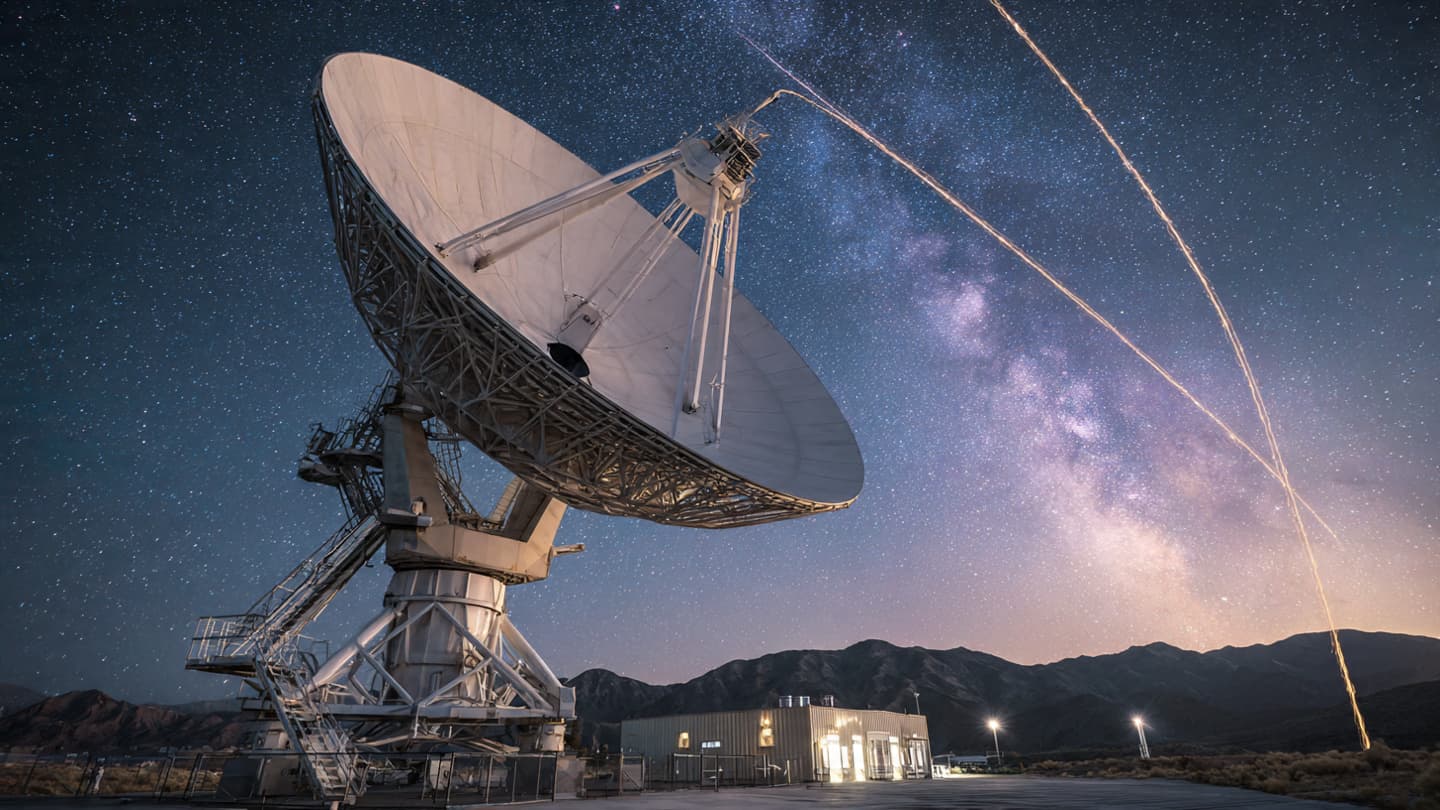
The Deep Space Network consists of large antenna complexes strategically positioned around the globe. These facilities enable continuous communication with spacecraft by ensuring that at least one station can maintain contact as Earth rotates.
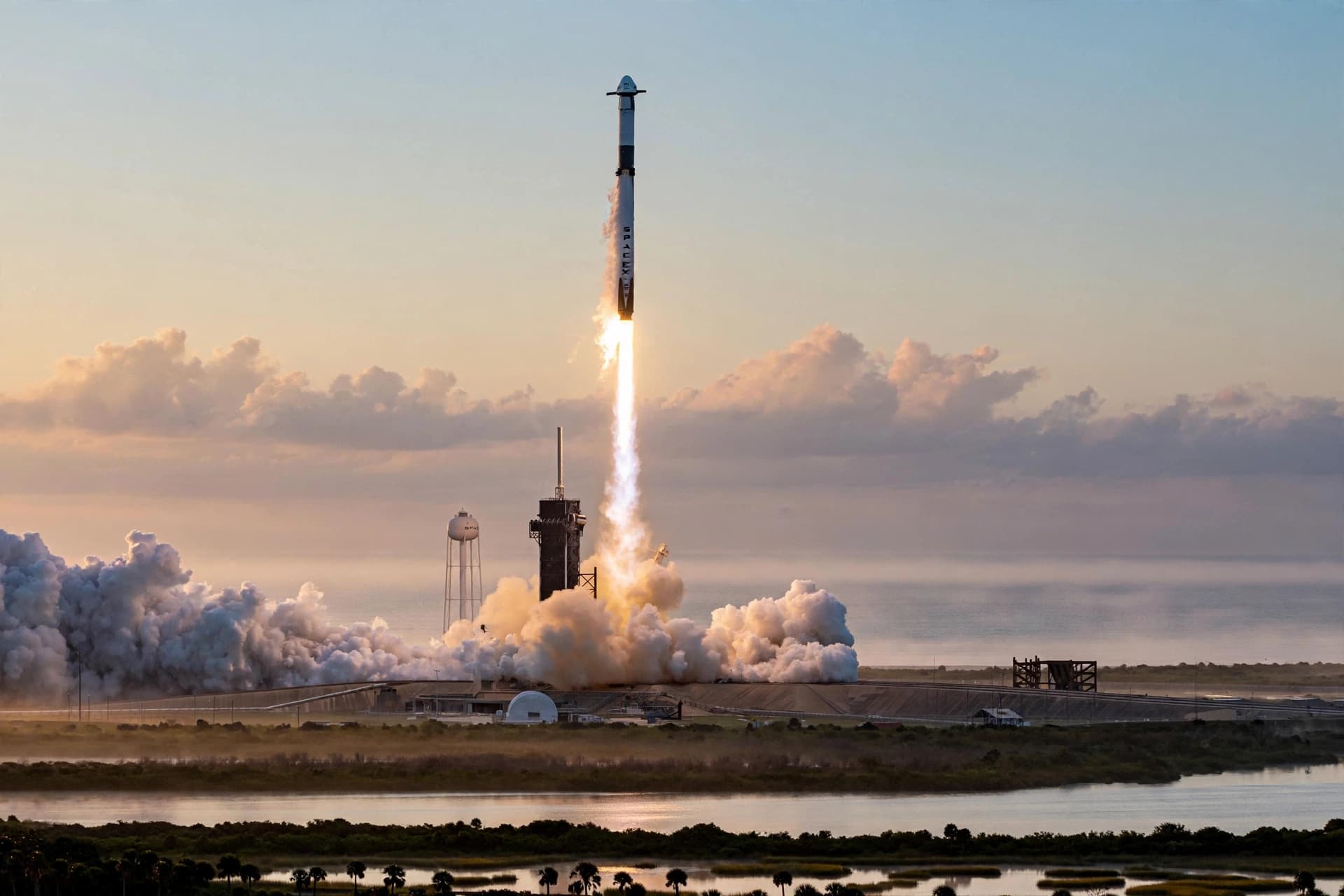
As NASA prepares for Artemis II, the first crewed mission of the Artemis program, communication reliability remains a critical requirement. The mission will send astronauts around the Moon before returning them safely to Earth.
Officials have acknowledged that the Deep Space Network has faced increasing demands in recent years. A growing number of active missions, combined with aging infrastructure, has placed considerable pressure on the system's capabilities.
Despite these challenges, engineers reported that recent testing and operational performance met expectations. The network successfully supported mission requirements and demonstrated its ability to handle the communications needs associated with Artemis II.
The achievement reflects extensive maintenance efforts, upgrades, and careful operational planning. Engineers continue working to modernize key components while ensuring uninterrupted service for both current and future missions.
Reliable communication is essential throughout a spaceflight mission. Navigation updates, scientific data, telemetry information, and crew communications all depend on systems capable of transmitting signals across vast distances.
The Deep Space Network's role extends beyond Artemis. It supports planetary probes, space observatories, and numerous international scientific missions, making it one of the most important infrastructures in modern space exploration.
As preparations for Artemis II continue, NASA officials remain focused on maintaining and strengthening the network. Recent results suggest that the system remains capable of supporting ambitious lunar exploration goals despite growing operational demands.
AI Image Disclaimer: Certain images associated with this article may be AI-generated visualizations inspired by aerospace infrastructure and mission operations.
Sources Verification Check:
NASA SpaceNews Ars Technica Space.com IEEE Spectrum
Published by Banx Network. This article is part of the Banx decentralized media programme, powered by the BXE token on the XRP Ledger.