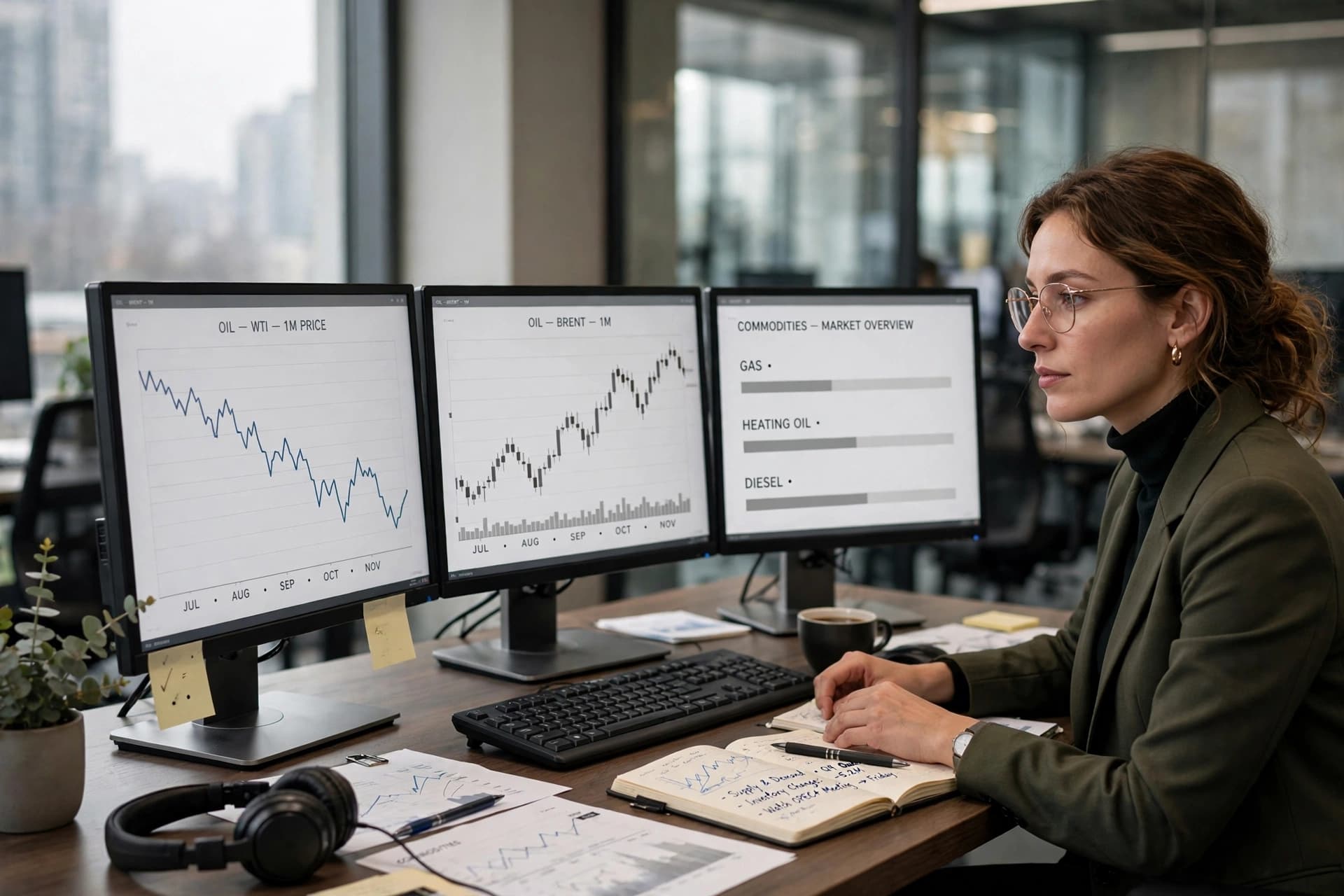
In the vibrant marketplaces and small-town squares of Serbia, a new kind of economic heartbeat is gathering strength. It is a rhythm driven not by the massive multinational, but by the small and medium-sized enterprise (SME)—the local bakery, the specialized tech workshop, and the innovative family farm. As the 2026 OECD report on SME financing arrives, it reveals a nation that is finding new and diverse ways to nourish the roots of its commercial garden.
Entrepreneurship is a form of local storytelling, a way for individuals to leave a unique mark on the landscape of their community. In Serbia, this story is becoming increasingly sophisticated, as founders move beyond traditional bank loans to explore venture capital and digital financing platforms. It is a transition from the rigid structures of the past toward a more fluid and inclusive financial ecosystem, one that reflects the resilient and adaptive spirit of the Balkan people.
We see this evolution as a quiet victory for regional sovereignty. By strengthening the financial foundations of its smaller firms, Serbia is building an economy that is less vulnerable to the whims of global market shifts. This movement is fostering a new temperament in the workplace—a more creative, agile, and personally invested approach to business that is attracting the next generation of Serbian talent.
There is a specific beauty in the way these small businesses are being integrated into the global conversation. Through digital integration and participation in international trade networks, the Serbian SME is proving that you don’t need a massive footprint to have a massive impact. This interconnectedness allows for a sharing of Balkan culture and expertise with a world that is increasingly looking for authenticity and specialized skill.
The economic impact of this sector is profound, providing the primary source of employment and innovation for the country. It is a shift away from a top-heavy industrial model toward a more decentralized and resilient economic structure. As the government implements new policies to support the "greening" of SMEs, the nation is ensuring that its growth is not only robust but also sustainable for the long term.
We observe the rise of the Serbian SME with a sense of observational optimism. It is a story of a people finding their voice in a new era, proving that the ancient crossroads of commerce can still be a place of vibrant and personal discovery. The expansion of these financing opportunities is a testament to the fact that the most enduring progress is often the kind that starts small and grows with the care of a community.
As the evening settles over the Danube, the lights of the small businesses in the old town remain bright, a constellation of individual ambition and shared success. The work being done in these shops and studios—the products being made and the services being provided—is the true engine of the Serbian future. It is a lyrical journey of growth and resilience, a reflection on the enduring power of the human spirit to build a home and a livelihood from the ground up.
The OECD's 2026 report on Serbian SME financing indicates a 12% increase in the utilization of alternative financing sources, including venture capital and private equity, among local entrepreneurs. Government policy has shifted toward enhancing the "green" capabilities of small firms, providing targeted grants for energy efficiency and sustainable manufacturing. This diversification of the financial landscape is expected to drive higher levels of innovation and employment stability within the regional Serbian economy over the coming years.
AI Disclaimer: “Illustrations were created using AI tools and are not real photographs.”
Sources:
OECD iLibrary ASIC Newsroom Russell McVeagh Insights Tanjug Australian Financial Review (AFR) Ministry of Business, Innovation and Employment (NZ) Bloomberg Adria
Published by Banx Network. This article is part of the Banx decentralized media programme, powered by the BXE token on the XRP Ledger.