In the delicate dance of international diplomacy, where gestures often speak louder than words, the relationship between Spain and Morocco has recently faced a moment of scrutiny. The sudden influx of migrants into the Spanish enclave of Ceuta created a scene of urgency and humanitarian concern, prompting questions about the underlying causes. Prime Minister Pedro Sánchez has since addressed these concerns, stating that there is no concrete evidence to suggest that the Moroccan government orchestrated the event. This assertion seeks to calm tensions and restore a sense of cooperative normalcy between the two neighboring nations.
The incident in Ceuta saw thousands of individuals crossing the border in a short period, overwhelming local authorities and sparking a political debate across Europe. Such movements are often complex, driven by a mix of socioeconomic factors, regional instability, and personal desperation. While initial reactions from some political quarters pointed fingers at Rabat, the Spanish government has chosen a path of diplomatic restraint. By emphasizing the lack of proof regarding state involvement, Madrid aims to keep channels of communication open.
Morocco and Spain share a long history of collaboration on migration control, security, and trade. The two countries are key partners in managing the flow of people across the Mediterranean, a route that remains one of the most active in the world. Disruptions in this partnership can have far-reaching consequences, affecting not only bilateral relations but also broader European security frameworks. The decision to de-escalate rhetoric reflects an understanding of these deep interdependencies.
Prime Minister Sánchez’s statement underscores the importance of relying on verified information rather than speculation. In times of crisis, it is easy for narratives to become polarized, but responsible leadership requires a commitment to facts. By publicly dismissing the idea of a coordinated orchestration by Morocco, the Spanish leader is signaling a desire to move past the incident and focus on shared solutions. This approach helps to preserve the trust necessary for effective joint operations.
The humanitarian aspect of the situation remains a priority for both governments. Ensuring the safety and dignity of migrants is a challenge that requires resources and coordination. The events in Ceuta highlighted the need for robust systems that can handle sudden surges while respecting human rights. Both nations have expressed willingness to work together to improve border management and address the root causes of irregular migration.
Looking ahead, the focus will likely shift to strengthening institutional mechanisms that prevent such occurrences in the future. This may involve increased funding for border infrastructure, enhanced intelligence sharing, and development aid to regions of origin. The resilience of the Spain-Morocco relationship will be tested by how well both sides can translate this moment of tension into an opportunity for deeper cooperation.
The broader European context also plays a role in this dynamic. As the EU seeks a unified approach to migration, the actions of member states like Spain set important precedents. A collaborative model with North African partners is seen as essential for sustainable policy. The handling of the Ceuta incident thus carries implications beyond the immediate borders, influencing how Europe engages with its southern neighbors.
Prime Minister Sánchez’s clarification aims to stabilize diplomatic ties with Morocco, emphasizing cooperation over accusation in managing migration challenges. The focus now returns to joint efforts in border security and humanitarian care.
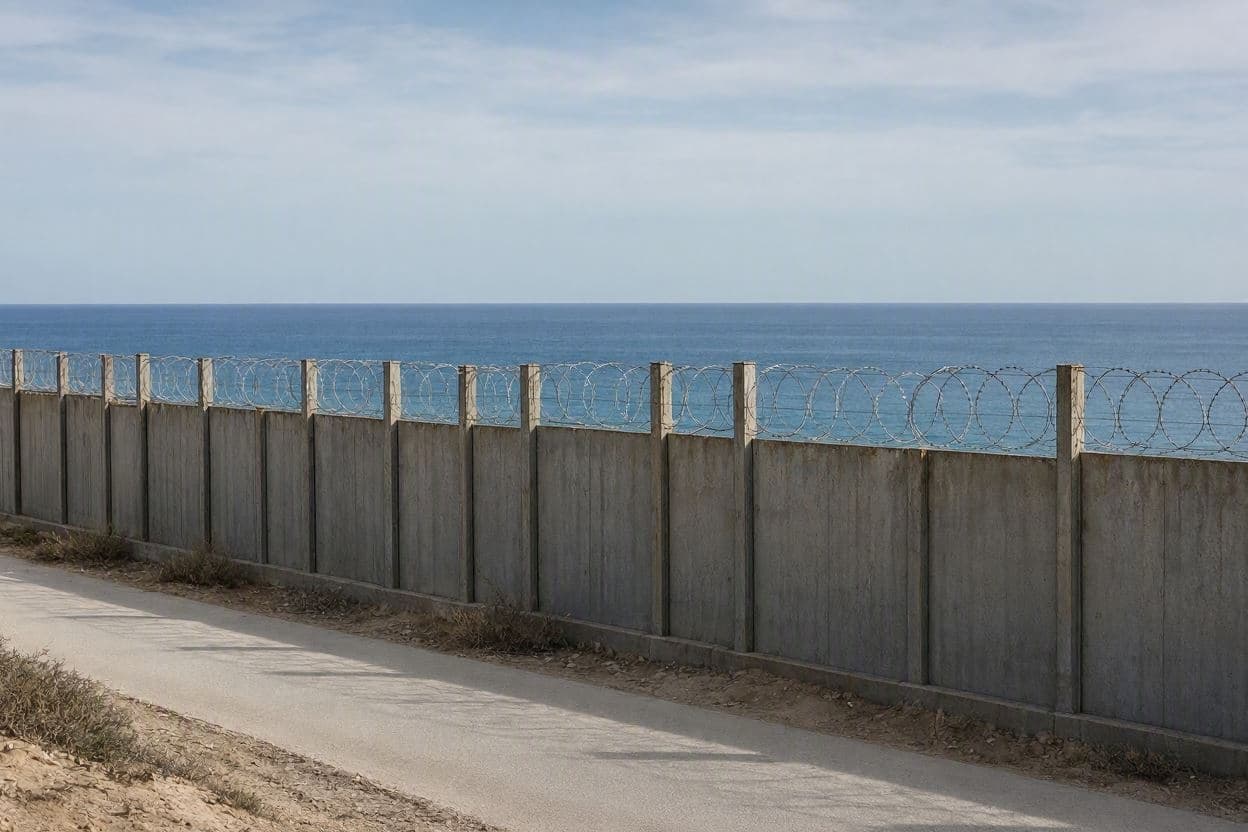
AI Image Disclaimer: Please note that the visuals accompanying this article are AI-generated interpretations intended to illustrate the geopolitical context.
Sources: Reuters El País BBC News The Guardian
Published by Banx Network. This article is part of the Banx decentralized media programme, powered by the BXE token on the XRP Ledger.