

Key Highlights
- New Discovery:Researchers have identified a protein that helps protect cells from harmful genetic mutations.
- Therapeutic Potential:Understanding this protein could lead to new treatments aimed at disease prevention.
- Ongoing Research:The study emphasizes the importance of cellular mechanisms in developing innovative therapies.
[Scientific Breakthrough in Cellular Protection]
Within every living cell, countless processes unfold quietly and continuously. Much like a city functioning through unseen networks, the human body relies on intricate biological systems working together to maintain stability. A recent scientific discovery involving a protein that appears to help protect cells from harmful genetic mutations has attracted significant attention from researchers in the field of molecular biology.
Scientists have identified a biological mechanism that may reduce the impact of certain mutations. This newly studied protein plays a crucial role in helping cells maintain normal functions even when genetic changes occur. Mutations are a natural part of biology; while many are harmless and some can be beneficial, others contribute to disease. Understanding how cells manage these changes is one of the central challenges of modern biomedical research.
The research team found compelling evidence that the newly identified protein helps buffer the effects of potentially damaging genetic alterations. By supporting cellular stability, it may reduce the likelihood that certain mutations lead to harmful outcomes. This discovery is particularly interesting because it opens new possibilities for therapeutic development. If scientists can better understand how this protective mechanism operates, future treatments may be designed to strengthen or replicate its effects.
Medical researchers frequently seek ways to prevent diseases before symptoms appear. Biological systems that naturally limit damage offer valuable models for developing preventive strategies and innovative therapies. The implications of this discovery could be far-reaching, potentially leading to breakthroughs in how we approach disease prevention and treatment.
Experts caution that translating laboratory discoveries into approved treatments typically requires many years of research, testing, and regulatory review. While early findings are promising, substantial work remains ahead. Nevertheless, the study highlights the growing sophistication of molecular biology. Advances in genetics, imaging technologies, and computational analysis continue to reveal previously hidden aspects of cellular function.
As investigations continue, this discovery serves as a reminder that some of medicine's most important breakthroughs begin with understanding the body's own protective mechanisms. The path toward future therapies may start with lessons already written into biology itself, emphasizing the need for ongoing research in this vital area.
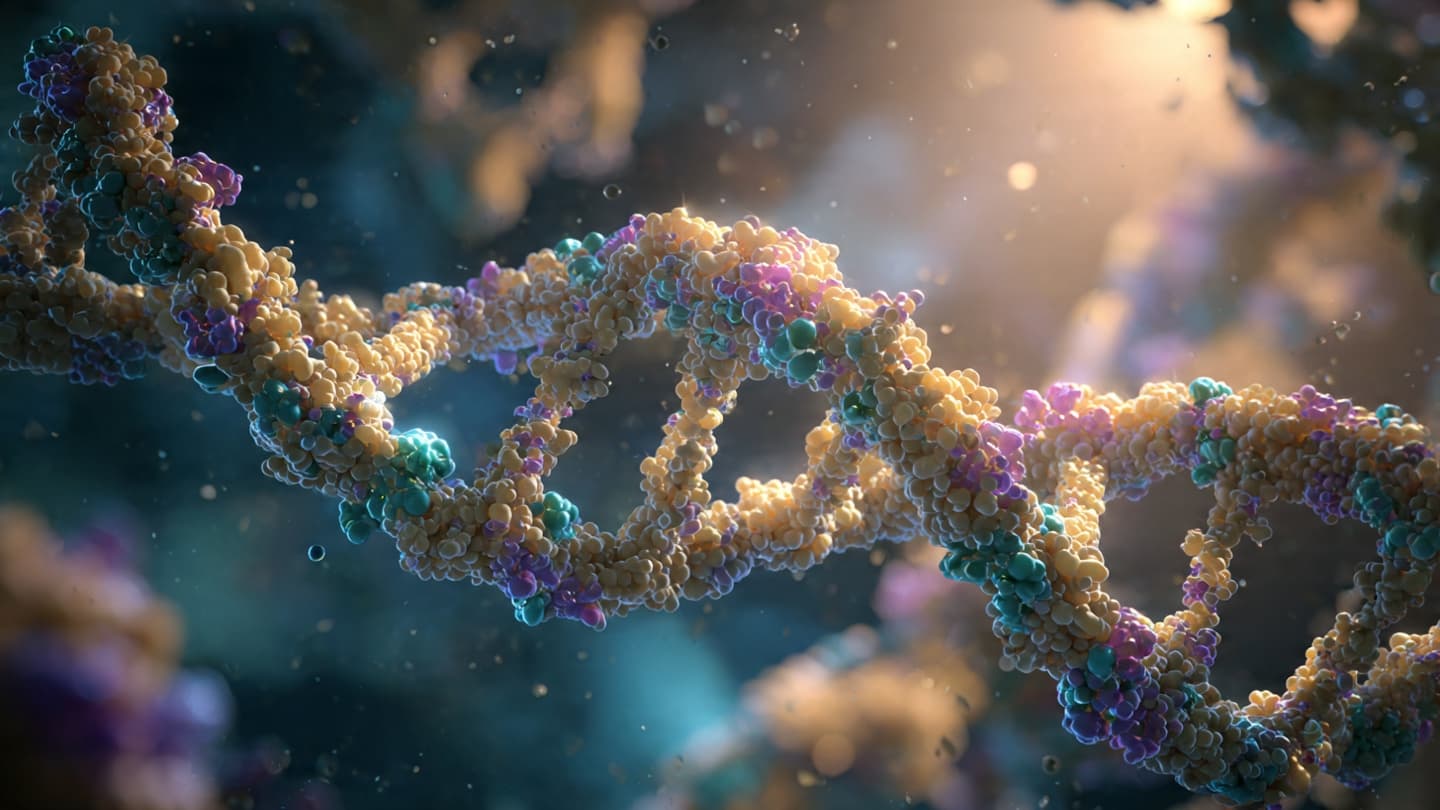
AI Image Disclaimer: The illustrations used for this article are AI-generated visual representations of scientific concepts and do not depict actual laboratory observations.
Published by Banx Network. This article is part of the Banx decentralized media programme, powered by the BXE token on the XRP Ledger.




