
Key Highlights
- Recent reports indicate improved coral cover in the Great Barrier Reef.
- Spawning events signal a potential recovery for the reef ecosystem.
- Ongoing conservation efforts focus on water quality and species management.
The Great Barrier Reef, a UNESCO World Heritage site, has recently demonstrated unexpected signs of resilience, challenging the prevailing narratives of decline. Reports from the Great Barrier Reef Marine Park Authority indicate that several sectors of the reef have shown improved coral cover following recent spawning seasons. This resurgence is particularly noteworthy given the ongoing threats posed by climate change, including rising sea temperatures and ocean acidification.
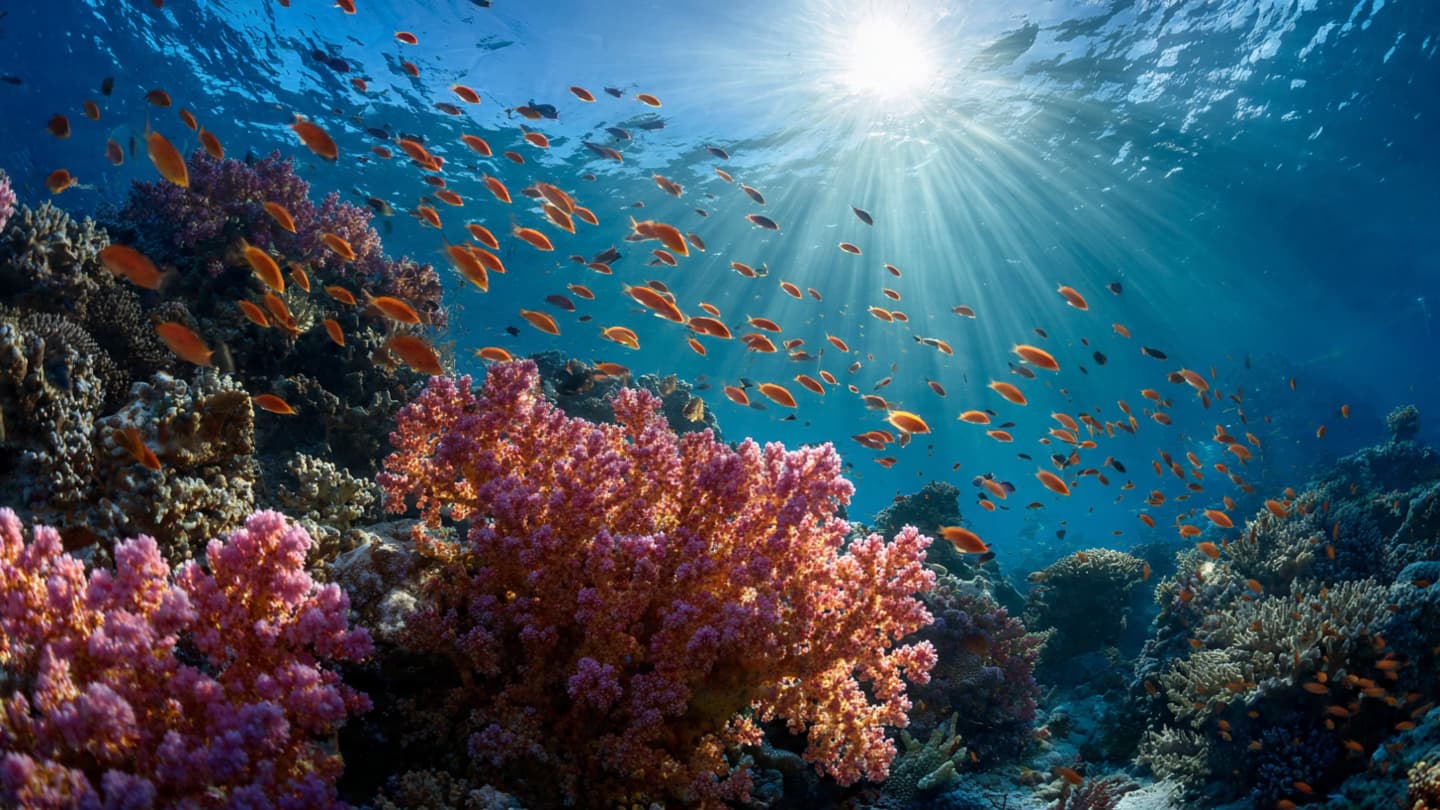
The phenomenon of coral spawning, which occurs annually, is a critical event for the reef's reproductive cycle. During these events, corals release eggs and sperm into the water, creating a spectacular underwater display. Observers describe this as akin to witnessing an underwater constellation, where the potential for renewal drifts through the currents. This year's spawning has been particularly significant, suggesting that the reef's drive to persist remains strong despite the challenges it faces.
In coastal communities across Queensland, the reef is more than just a natural wonder; it is integral to the local identity and economy. Residents have a deep-rooted connection to the reef, often expressing a mix of anxiety and hope regarding its future. The recent signs of recovery have sparked cautious optimism among locals, who recognize that their livelihoods are intertwined with the health of this vital ecosystem.
The science surrounding coral resilience is complex, yet the human connection to the reef is straightforward and visceral. The beauty of the reef captivates visitors and locals alike, serving as a reminder of the intricate interconnectedness of life on Earth. As we delve deeper into 2026, the focus has shifted from merely observing the reef's decline to actively listening to its recovery. This shift in perspective emphasizes the importance of stewardship and conservation efforts.
Conservation initiatives are now prioritizing water quality management and the control of crown-of-thorns starfish populations, which pose a significant threat to coral health. These efforts are crucial in supporting the reef's natural resilience and ensuring its survival for future generations. The recent improvements in coral cover provide critical data on coral heat tolerance and reproductive success, offering hope in the face of long-term climate threats.
Ultimately, the Great Barrier Reef serves as a mirror reflecting our relationship with the planet. Its struggles and successes highlight the potential for recovery when we act as responsible stewards of the environment. As the tide recedes to reveal the coral formations, there is a profound reminder that life, in all its complexity, continually seeks a way to flourish, even in the face of adversity.
As we move forward, it is essential to remain vigilant and proactive in our conservation efforts, ensuring that the Great Barrier Reef can continue to thrive amidst the challenges of climate change and human impact. The resilience of this natural wonder is not just a testament to its strength but also a call to action for all of us to protect and preserve our oceans.
Published by Banx Network. This article is part of the Banx decentralized media programme, powered by the BXE token on the XRP Ledger.



