
Key Highlights
- Bakery in Beijing sees a surge in customers after Xi Jinping's visit.
- Long queues formed as patrons sought to try the president's favorite treats.
- Local authorities managed the crowd to ensure safety and order.
A neighborhood pastry shop in Beijing has unexpectedly found itself in the spotlight after a visit from President Xi Jinping triggered a surge of customers eager to sample the same treats enjoyed by the Chinese leader. The bakery, known for its traditional pastries, became a focal point of attention as news of Xi's appearance spread rapidly across social media and local news outlets.
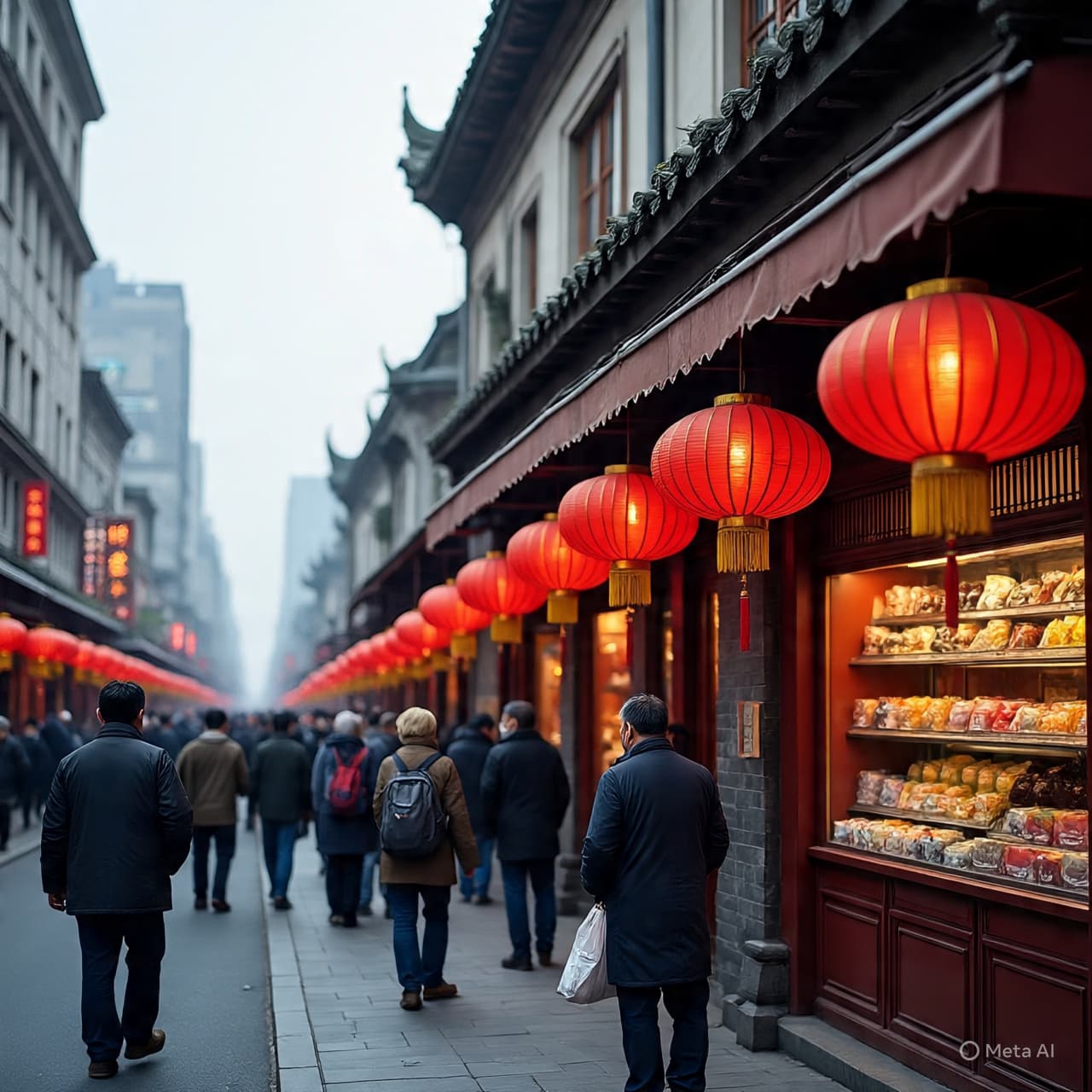
According to reports, the shop was quickly overrun by eager shoppers following the president's visit. Images circulating online depicted long queues stretching down the street, with patrons waiting patiently to purchase the bakery's signature items. Many customers expressed a desire to taste what the president had sampled, while others were simply curious about the sudden fame of the establishment.
In China, visits by senior leaders to small businesses are often closely monitored and widely shared, sometimes sparking a phenomenon known as “leader effect” consumption. This phenomenon occurs when a brief stop at a restaurant or shop transforms an ordinary storefront into a must-visit destination. In this instance, the bakery's shelves were reportedly cleared within hours as demand surged, illustrating the powerful impact of political figures on consumer behavior.
Local authorities were on hand to maintain order as crowds gathered, and bakery staff worked extended hours to meet the overwhelming demand. While the surge in customers brought a significant windfall of sales, it also posed logistical challenges, including managing inventory and ensuring safety amid the influx of patrons. The bakery's management expressed gratitude for the support but acknowledged the difficulties of handling such a sudden increase in business.
Political analysts note that visits from leaders like Xi Jinping are often framed as gestures of support for small enterprises and local industries. For customers, however, the appeal often blends patriotism with novelty—a chance to participate, however indirectly, in a moment connected to national leadership. This blend of sentiment can drive consumer behavior in ways that are both predictable and surprising.
Whether the bakery's newfound popularity will endure remains uncertain. Historical examples suggest that while the initial wave of enthusiasm can be intense, it may taper off once the spotlight shifts elsewhere. For now, though, the modest shop stands as a reminder of how swiftly attention can transform everyday commerce into a national talking point, highlighting the intersection of politics and consumer culture in contemporary China.
Published by Banx Network. This article is part of the Banx decentralized media programme, powered by the BXE token on the XRP Ledger.



