

Key Highlights
- The Obama Presidential Center is under construction in Chicago's Jackson Park.
- It diverges from traditional presidential libraries by focusing on civic engagement.
- Critics and supporters debate its role in preserving history versus advocacy.
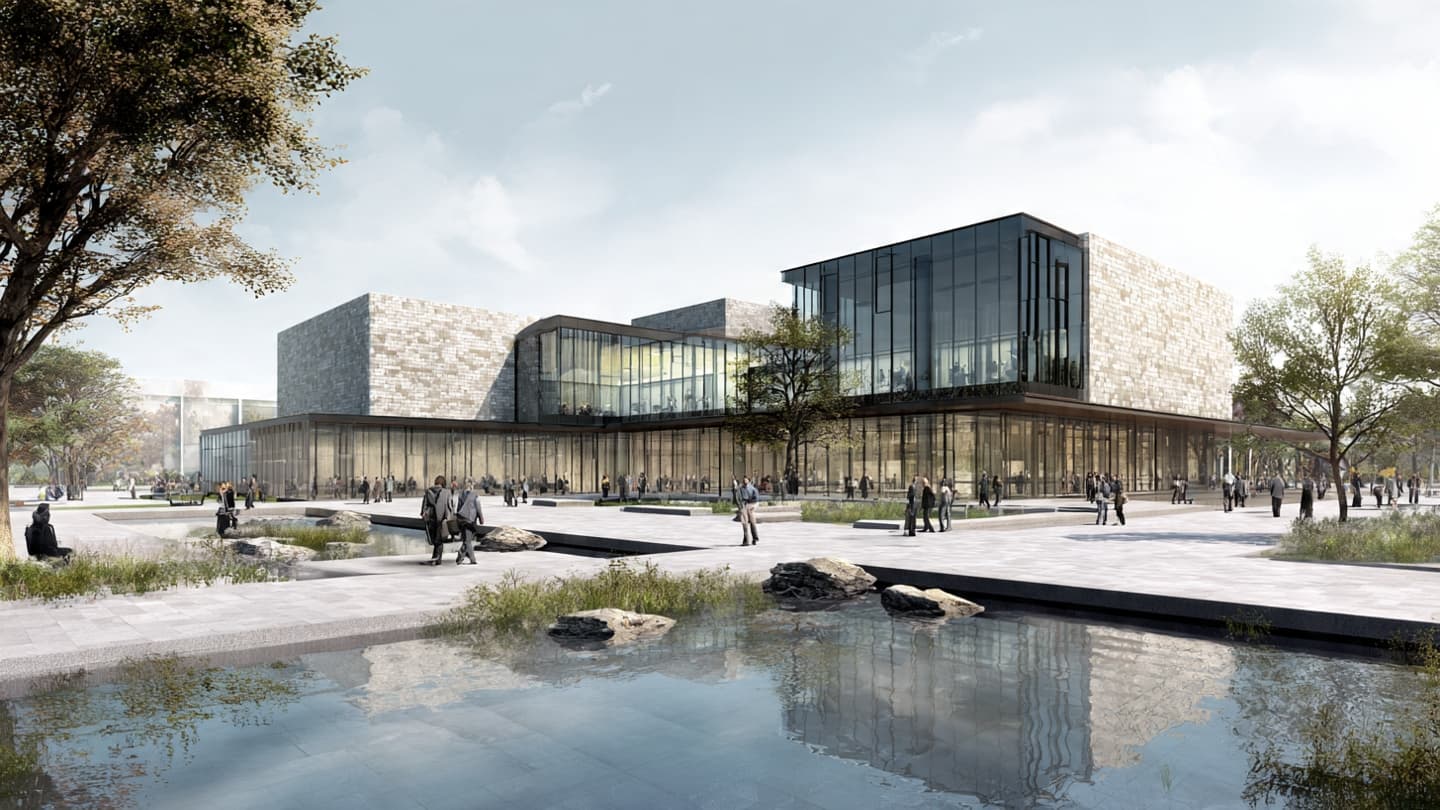
The concept of presidential libraries has traditionally been associated with the preservation of historical documents and artifacts related to a president's time in office. However, the Obama Presidential Center, currently being built in Chicago's Jackson Park, is challenging this conventional model. As it takes shape, the center is igniting discussions about the future of presidential legacies in the 21st century.
Unlike previous presidential libraries, the Obama Presidential Center will not feature a conventional archival repository managed by the National Archives and Records Administration. Instead, records from Barack Obama's presidency will primarily exist in digital formats, reflecting a shift towards modern technology and accessibility. This approach has raised eyebrows among some historians and critics who argue that it strays too far from the traditional functions of a presidential library.
Supporters of the Obama Presidential Center argue that its design is a response to evolving societal needs and technological advancements. They contend that the center aims to inspire civic engagement, public service, and community involvement, while also documenting the historical significance of the Obama administration. The Obama Foundation emphasizes that the center is intended to serve as a cultural and educational hub, fostering a sense of community and encouraging active participation in democracy.
However, the center's focus on civic programming and social initiatives has led to concerns among some observers. Critics argue that this emphasis blurs the line between historical preservation and advocacy, questioning whether the center can fulfill the traditional expectations associated with presidential libraries. This debate highlights the tension between preserving history and promoting contemporary social issues, a conversation that is increasingly relevant in today's political climate.
The evolution of presidential libraries is not a new phenomenon. Each library reflects the unique priorities and perspectives of the president it commemorates. Historians note that variations in mission and format have occurred throughout history, suggesting that the Obama Presidential Center is part of a broader trend rather than an isolated case.
As construction progresses, the Obama Presidential Center is also sparking discussions about urban development and community investment in Chicago's South Side. The project has the potential to revitalize the area, providing new opportunities for local residents while also serving as a national landmark. As the center approaches completion, the ongoing debates surrounding its role and impact are likely to continue, mirroring larger national conversations about history, civic participation, and the evolving nature of presidential legacies.
Published by Banx Network. This article is part of the Banx decentralized media programme, powered by the BXE token on the XRP Ledger.




