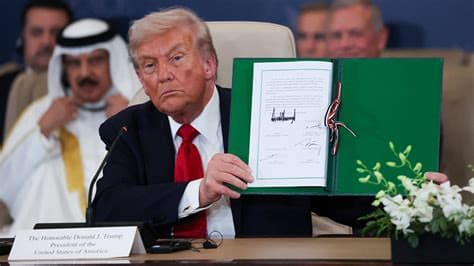
In the high-stakes arena of international law, where diplomacy and justice often collide, Venezuelan President Nicolás Maduro has made a bold legal maneuver. Facing drug-trafficking charges in the United States, Maduro and his wife have filed motions claiming immunity from prosecution. This assertion rests on the principle of head-of-state immunity, a doctrine designed to protect sitting leaders from foreign legal proceedings. The move sets the stage for a complex legal battle that transcends individual culpability, touching on issues of sovereignty, international relations, and the reach of U.S. judicial power.
The charges against Maduro and his wife are part of a broader indictment by the U.S. Department of Justice, alleging involvement in narco-terrorism and corruption. These accusations have long been a point of contention between Caracas and Washington, reflecting deeper geopolitical tensions. By invoking immunity, Maduro’s legal team argues that prosecuting a sitting head of state violates established international norms and undermines the stability of diplomatic relations. It is a defense strategy that relies on precedent and protocol rather than factual denial.
Legal experts are divided on the merits of this claim. While head-of-state immunity is a recognized principle, its application in cases involving serious criminal allegations like drug trafficking is less clear-cut. Some argue that such crimes fall outside the scope of official acts, thereby stripping leaders of protective privileges. Others contend that until a leader is removed from office, they remain shielded from foreign jurisdiction. The outcome of this case could set a significant precedent for future international prosecutions.
The political implications are equally significant. For Maduro, the legal fight is a way to assert legitimacy and resist external pressure. Domestically, it reinforces his narrative of being a target of imperialist aggression. Internationally, it tests the willingness of other nations to cooperate with U.S. extradition requests. The case becomes a proxy for broader struggles over influence and authority in the Western Hemisphere.
For the victims of the alleged drug trade, the delay caused by legal maneuvers is frustrating. Justice, for them, is not just a theoretical concept but a necessary remedy for harm suffered. The complexity of international law often means that accountability is slow and uncertain. This case highlights the challenges of holding powerful figures accountable when they occupy positions of supreme authority.
The U.S. judiciary now faces the task of balancing legal principles with political realities. Judges must consider whether to uphold immunity claims or allow the proceedings to move forward. Their decision will be scrutinized by legal scholars and diplomats alike, as it may influence how nations interact in an increasingly interconnected world. The ruling could either reinforce the sanctity of state sovereignty or expand the reach of universal justice.
As the legal proceedings unfold, the world watches with interest. The case of Nicolás Maduro is more than a criminal trial; it is a test of the international legal order. Whether immunity prevails or justice finds a way through, the outcome will resonate far beyond the courtroom, shaping the future of global accountability.
President Maduro’s claim of immunity in U.S. drug-trafficking charges initiates a significant legal and diplomatic debate, challenging the boundaries of head-of-state protection and international justice.
AI Image Disclaimer: The images referenced in this piece are AI-created visualizations meant to evoke the setting, not direct documentation of the scientific data.
Sources: Reuters The New York Times BBC News Al Jazeera
Published by Banx Network. This article is part of the Banx decentralized media programme, powered by the BXE token on the XRP Ledger.