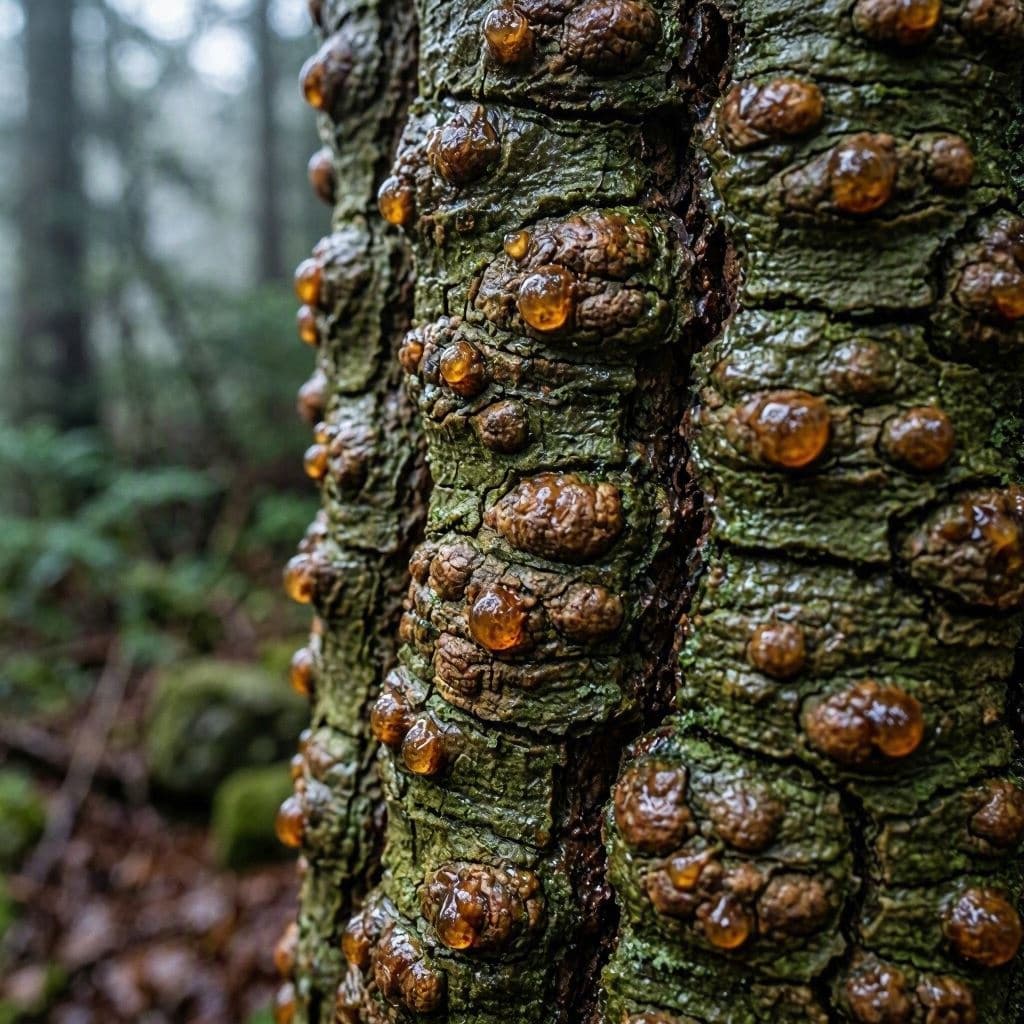
Time is usually measured in ticks of a clock or turns of a calendar, but in the deep gorges of Australia, it is measured in rings of wood and layers of stone. In 1994, a routine adventure turned into a discovery that rewrote the history books. Dave Johnston, a bushwalker and teacher, rappelled into a remote sandstone canyon northwest of Sydney and stumbled upon a grove of trees with strange, waxy, bubble-like bark. These were not just unusual specimens; they were living fossils, members of a genus thought to have vanished 90 million years ago alongside the dinosaurs. The Wollemi pine, as it came to be known, emerged from the shadows of extinction to remind us that nature still holds secrets in its most inaccessible corners.
The significance of the find cannot be overstated. The Wollemi pine (Wollemia nobilis) belongs to the Araucariaceae family, a group of conifers that dominated the globe during the Jurassic and Cretaceous periods. Finding a living representative was akin to discovering a living dinosaur. The trees had survived in a hidden microclimate, protected by the steep walls of the canyon and the lack of human disturbance. For millions of years, they existed in silence, unknown to science, while the world above changed beyond recognition.
News of the discovery spread quickly, prompting immediate conservation efforts. The location of the grove was kept secret to protect the trees from disease, theft, or accidental damage. Botanists and government agencies worked together to study the species and develop propagation techniques. Today, Wollemi pines are grown in nurseries around the world, ensuring that this ancient lineage has a future beyond its secluded sanctuary.
The bark of the Wollemi pine, with its distinctive chocolate-brown bubbles, is a testament to its age and resilience. It is a physical link to a prehistoric world, offering scientists a chance to study the physiology and genetics of a plant that has witnessed the rise and fall of empires, ice ages, and continental shifts. Each leaf is a page from a biological archive that was thought to be lost forever.
This discovery also highlights the importance of preserving wild places. The Wollemi pine survived because its habitat was difficult to access and remained untouched. It serves as a powerful argument for conservation, showing that biodiversity can persist in unexpected refuges. Protecting these areas is not just about saving scenery; it is about safeguarding the genetic heritage of the planet.
For Dave Johnston, the moment of discovery was one of awe and humility. He had not set out to make history, but his curiosity and courage led him to one of the most significant botanical finds of the century. His story inspires others to explore and respect the natural world, knowing that wonder often lies just beyond the beaten path.
The Wollemi pine stands as a living miracle, a bridge between the age of dinosaurs and the present day. Its discovery in 1994 reminds us of the resilience of life and the importance of protecting our natural heritage. As these trees flourish in gardens worldwide, they carry with them the memory of an ancient past.
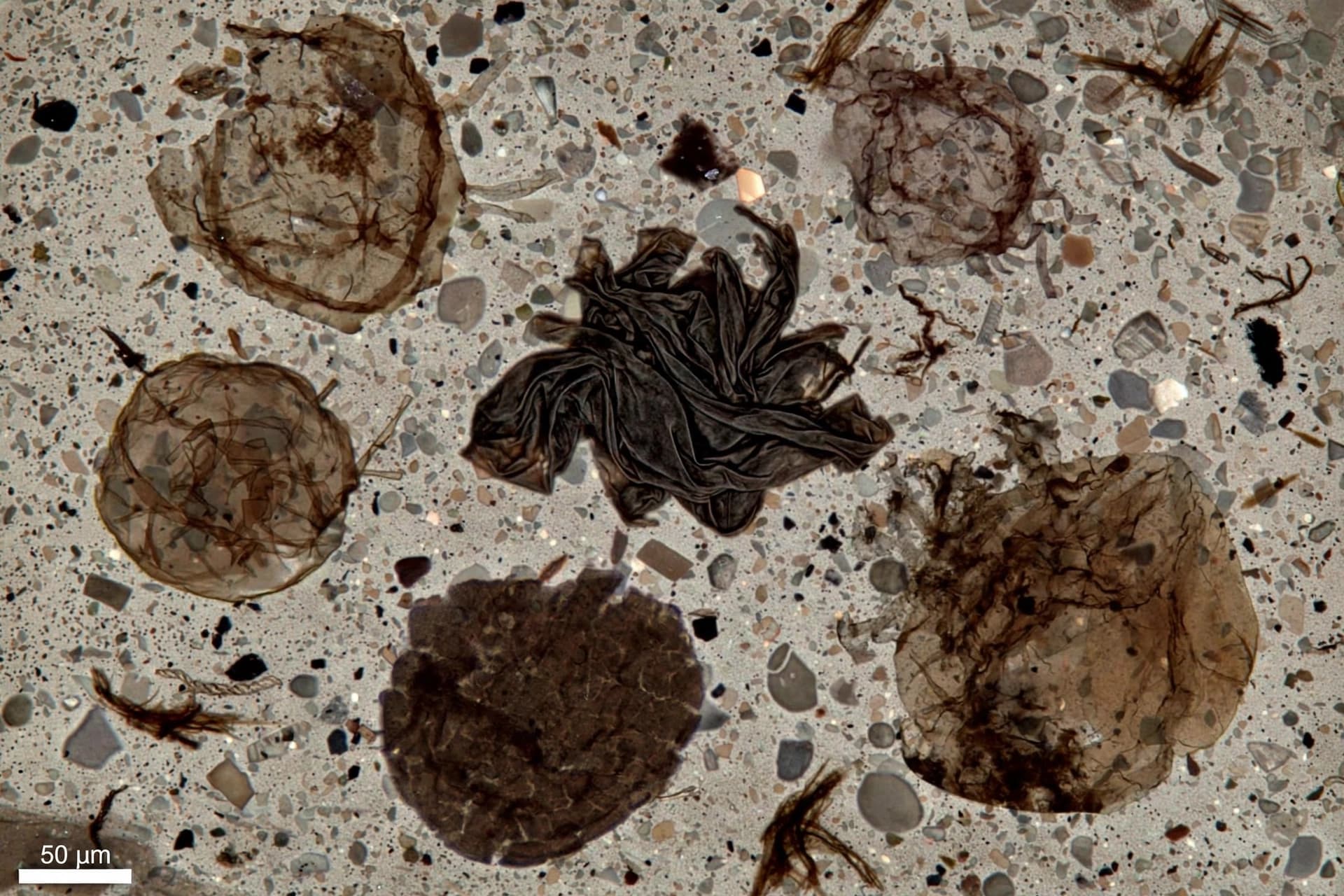
AI Image Disclaimer: The images provided are AI-generated to visually represent the botanical and historical aspects of the story.
Sources: National Geographic ABC News Australia Royal Botanic Garden Sydney
Published by Banx Network. This article is part of the Banx decentralized media programme, powered by the BXE token on the XRP Ledger.